IMF: 14.5% Contraction in Qatar's Economy in 2026 and a Gas Shock 'from a Position of Strength'
The Fund's mission, led by Nathan Porter, concluded a visit to Doha between 3 and 12 November: large reserves contain the Hormuz disruption, and a recovery is expected from 2027
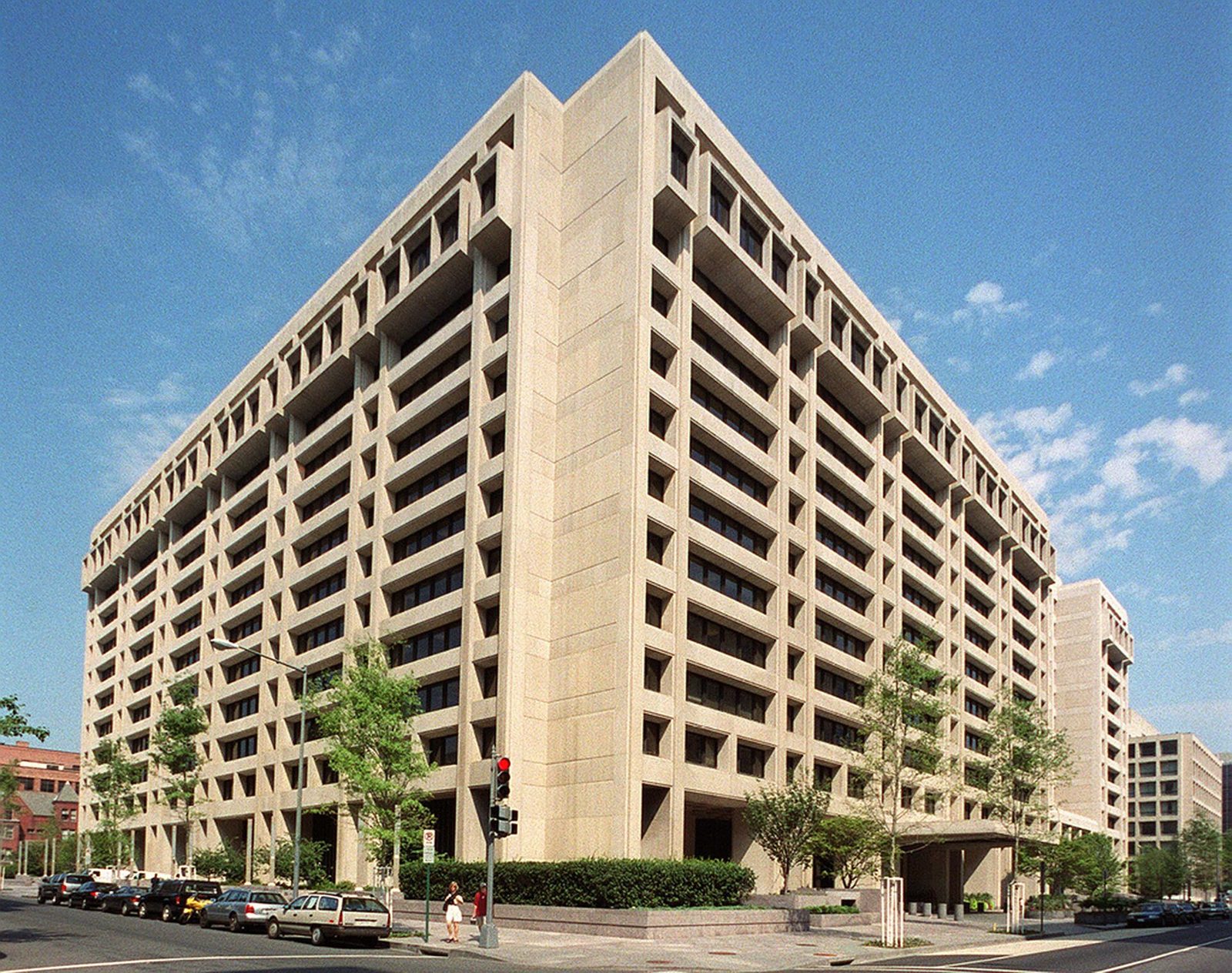
The International Monetary Fund estimated that Qatar's economy will contract by about 14.5 percent during 2026 as a result of the decline in hydrocarbon production and exports, in a statement issued on Tuesday following the conclusion of a mission of experts led by Nathan Porter to Doha between 3 and 12 November.
The Fund said that Qatar faces "a sharp shock in the hydrocarbons sector from a position of strength," due to the repercussions of the war in the Middle East and the disruption of shipping traffic through the Strait of Hormuz, drawing on large financial and external reserves and sound economic policy frameworks that helped contain the repercussions and preserve stability.
Qatar's economy recorded growth of 1.8 percent during 2025 before the war led to the sharp decline in hydrocarbon production and exports. By contrast, non-hydrocarbon activity grew by about 3 percent in the first half of 2026, and visitor and air traffic returned to pre-conflict levels in the third quarter, as did hotel occupancy.
The Fund expected growth to recover strongly starting in 2027, averaging about 6 percent during the period from 2028 to 2031, with liquefied natural gas production returning to normal and the planned expansion of production capacity.
Headline inflation reached about 3 percent through August 2026, driven mainly by rising food, housing and energy costs, and the Fund expects it to reach about 3.5 percent during the current year before gradually declining toward 2 percent over the medium term, while core inflation remained at about 1.5 percent. It noted that the Qatar Central Bank kept its interest rate moves in line with US monetary policy, consistent with the riyal's peg to the dollar.
On public finances and the external sector, the Fund said that the fiscal and external positions declined during the current year with the fall in government revenues in the first half as a result of lower hydrocarbon revenues and the shrinking current account surplus, but it expected this surplus to return to levels exceeding 10 percent of GDP and the general budget to return to recording a surplus over the medium term.
It affirmed that Qatari banks continue to enjoy good soundness, with non-performing loans falling to 3.2 percent and provisions covering them at about 80 percent, while warning that their continued reliance on external funding remains one of the sources of risk, and noting that the Qatar Central Bank is monitoring these risks.
The Fund called for diversifying trade routes and strengthening logistics capabilities to reduce the risks associated with reliance on vital maritime corridors, "foremost among them the Strait of Hormuz," and stressed the need to continue reforms within the framework of the Third National Development Strategy. It warned that uncertainty remains high and that risks are tilted overall to the downside, including the possibility of escalating regional tensions and continued disruptions to liquefied natural gas production or its export routes.
The statement did not include a figure for the size of the financial and external reserves on which it based its description of the shock as being "from a position of strength," nor did it set a timeline for production to return to normal.
Sources — how we know this
- PrimaryAsharq Al-Awsat
Energy Portfolio
Check your broker for the latest on energy stocks.
View Now →