Waltz in Beirut to Discuss UNIFIL Alternative... and Lebanon Holds Firm to Resolution 1701
Washington's envoy to the United Nations visits Lebanon from 15 to 17 November to meet Aoun, Berri, Salam and Heikal, and Beirut prefers a short extension before any alternative mechanism
ℹ️ Browser-based reading · AI studio voice coming soon
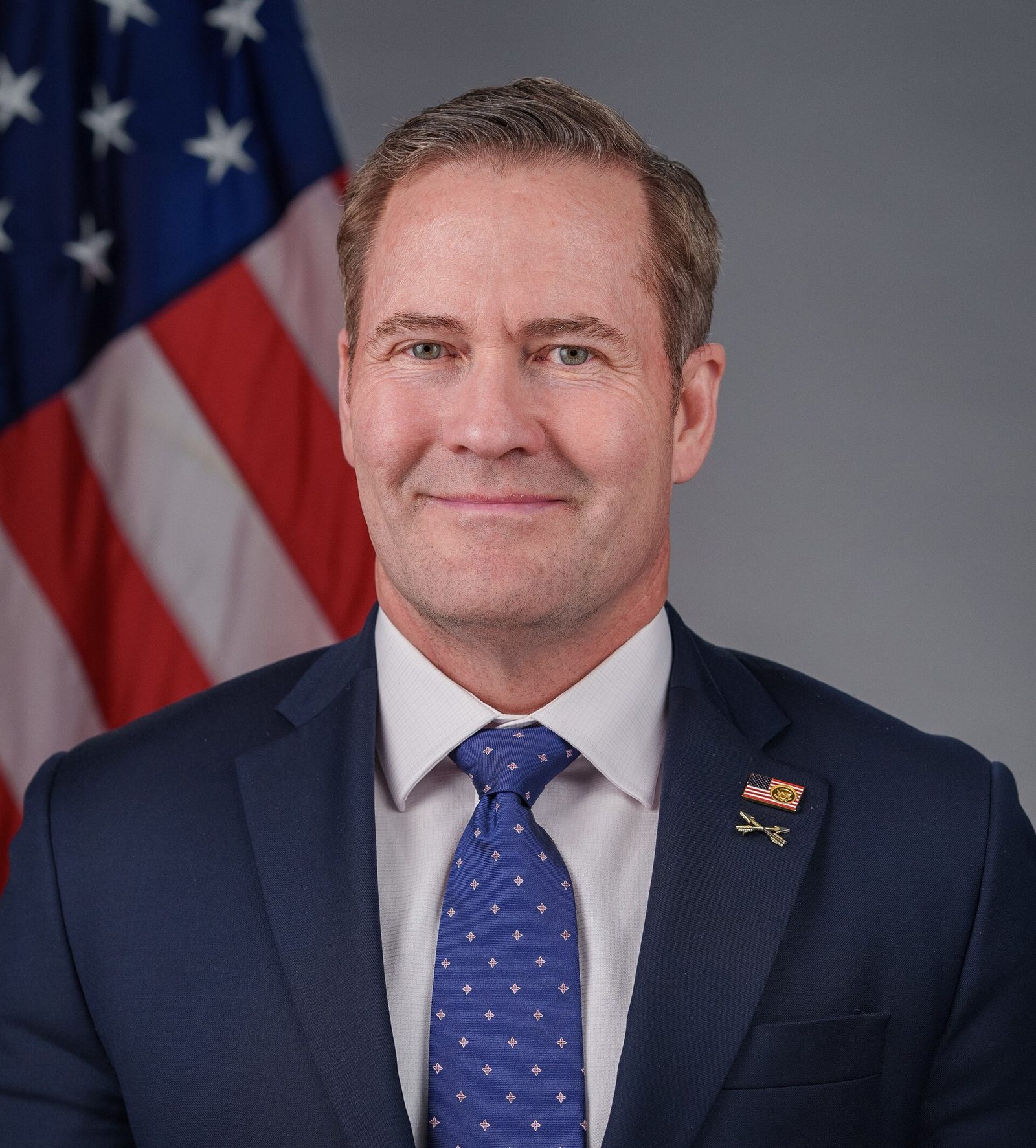
The US Embassy in Beirut announced that the United States envoy to the United Nations, Ambassador Mike Waltz, is visiting Lebanon and Morocco from 15 to 17 November, a visit whose agenda is headed by the search for an alternative mechanism to the international emergency force (UNIFIL) as the end of its mission in southern Lebanon approaches at the end of this year.
The embassy said that Waltz will meet senior officials of the Lebanese state to discuss US support for implementing the tripartite framework, and "a sovereign Lebanon free of the influence of (Hezbollah) and Iran," and that he will meet partners at the United Nations to discuss "the end of the mandate of the United Nations Interim Force in Lebanon (UNIFIL)," and the transition of security responsibility to the Lebanese state. The statement did not include any reference to extending the mandate or to the shape of the alternative mechanism.
Lebanon prefers an extension of the mission of at least 6 months, until Washington is able to activate the "Framework Agreement" as soon as the new Israeli government is formed, which would lead gradually to expanding the "pilot zones" to verify the deployment of the Lebanese army in the areas from which Israel withdraws, and that they are free of Hezbollah fighters and their weapons.
Parliament Speaker Nabih Berri said that he prefers not to expand on the contents of the approach in anticipation of what Waltz will bring with him, "so that we can build on the matter according to its requirements, and then we will define our position," because there is no interest in rushing to burn through the stages before their time and their conclusions.
The three presidents hold to Resolution 1701 as the anchor base for any international arrangement in the south, which President Joseph Aoun stressed when he received UN Deputy Secretary-General Amina Mohammed, and which converges with the insistence of Berri and Prime Minister Nawaf Salam on holding to the resolution.
It was ruled out that the alternative would be a civilian monitoring force or a copy of the mechanism in place in Egypt's Sinai, because the Sinai mechanism came as the culmination of a peace agreement between Egypt and Israel, unlike Lebanon, which requires Israel's withdrawal from the south first, along with the need for a deterrent force that intervenes when necessary.
Aoun had affirmed that Lebanon's priority remains the continuation of UNIFIL's mission and the renewal of its mandate, while expressing Beirut's openness to an alternative mechanism under the United Nations umbrella. Waltz's schedule of meetings includes Army Commander General Rudolf Heikal.
Lebanon seeks to include Resolution 1701 and the "Armistice Agreement" signed in March 1949 in the "Framework Agreement" when it is implemented, while Washington preferred not to include them in its core. Lebanon expressed its satisfaction at the resumption of communication between Washington and Paris during the meeting of US Secretary of State Marco Rubio with French President Emmanuel Macron and his foreign minister Jean-Noel Barrot on the sidelines of the G7 summit in Paris, hoping for a French role in the alternative force.
Sources — how we know this
- PrimaryAsharq Al-Awsat