A Disgrace, Says the Buyer: Washington's Diesel Deal Becomes Its Ukraine Policy
Trump calls Kyiv's refinery strikes shameful while Lavrov rules out any pause. The pipeline is now the policy.

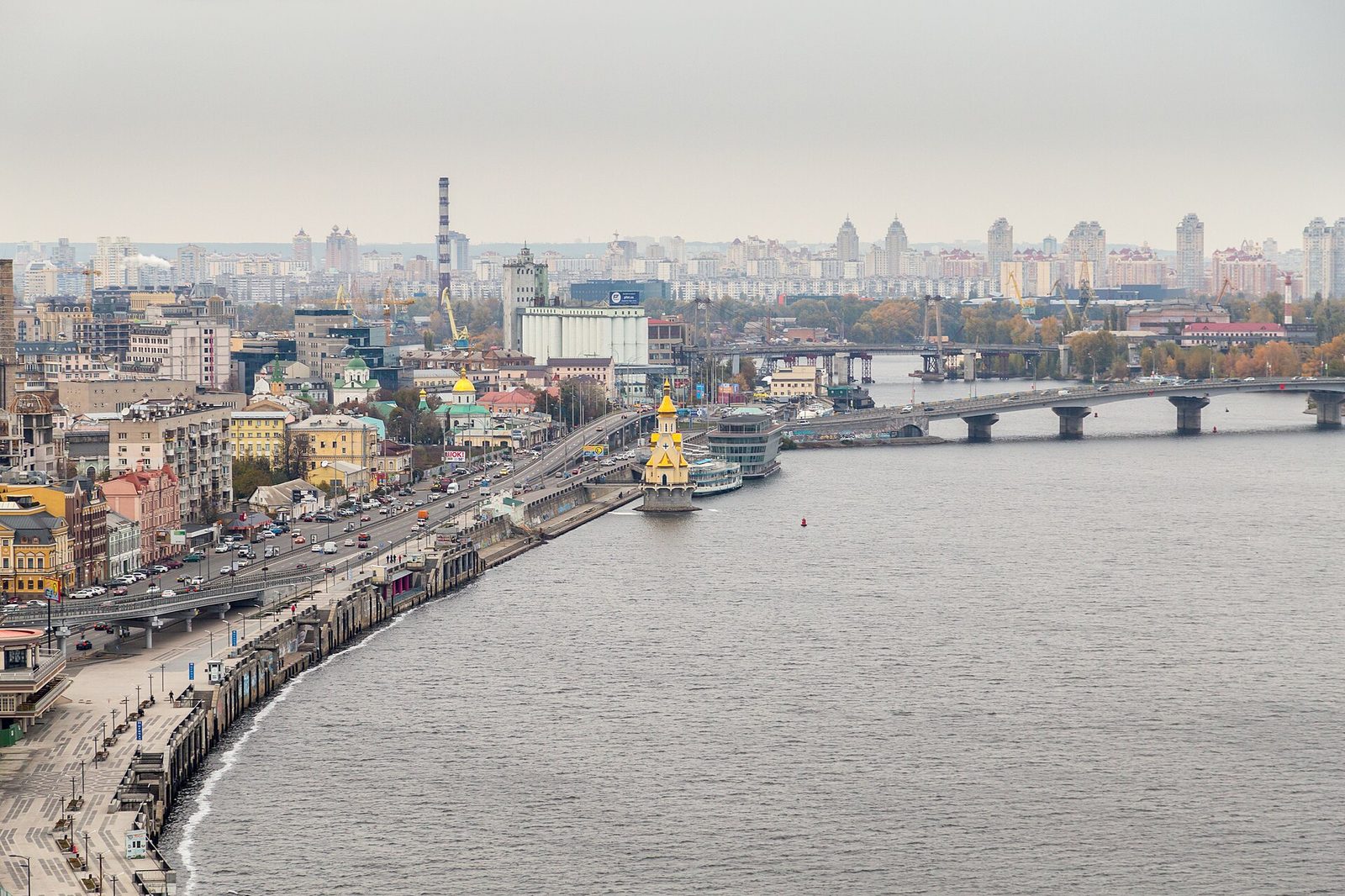
The quiet tell this week was not a speech. It was a verb. Asked about Ukraine resuming its strikes on Russian refineries, the American president called them a «disgrace» — the language a customer uses about a supplier who damages the goods in transit.
That is roughly the posture Washington has adopted. A fortnight ago, a phone call between Trump and Putin that was advertised as a public-health clarification about a reported plague outbreak in Siberia produced, instead, a commercial arrangement: easing restrictions on Russian diesel. Zelensky was then publicly instructed to find a new job. Kyiv had, at Washington's request, briefly stopped hitting the refineries that produce the fuel in question. On Thursday Zelensky told a European financial daily the pause was over — «The block is out. We're done» — and Ukrainian drones hit a refinery in Ryazan, roughly three hundred kilometres southeast of Moscow.
So now the architecture is visible. The American executive wants Russian diesel flowing because global fuel prices are uncomfortable at home. The Russian foreign minister, speaking in Baku after the regional security summit, declared there would be «no ceasefire» that allowed Ukraine to rearm, and said Moscow's war aims are unchanged. The Ukrainian president is being asked to stop damaging the merchandise while the seller continues bombing his electricity grid. Hundreds of thousands of Ukrainians spent part of this week without power. Thirty-nine missiles landed in a single night, and Kyiv says the usual American early-warning window — the few minutes between a Russian launch and impact that lets civilians reach a shelter — did not arrive on two occasions. Washington denies cutting the intelligence feed. It has not denied slowing it, or thinning it, which are different sentences.
Name the actors, because the passive voice is doing a lot of work in official statements this week. The person choosing to call refinery strikes a disgrace is the American president. The person choosing to rule out a ceasefire is the Russian foreign minister. The people choosing to warn, in a bipartisan letter signed by twenty-two senators and representatives, that the Graham sanctions act must be fully enforced by the Saturday deadline — including the revocation of the diesel licence — are members of the American legislature attempting to constrain their own executive. Three different Washingtons, three different Ukraine policies, and the one with the signing pen is the one aligned, functionally, with Moscow's revenue stream.
The economic argument the White House is making does not survive contact with the energy desk. Analysts quoted in regional press note that the diesel arrangement is unlikely to move pump prices meaningfully, because the current surge is driven by the disruption of Gulf shipping lanes from the American-Israeli confrontation with Iran, not by any shortage Russian refineries could fill. In other words: the concession to Moscow buys very little domestic political relief and a great deal of Russian hard currency. If one were to measure the policy by what it spends rather than what it says, the budget line reads: subsidise the belligerent, pressure the victim.
The historical parallel worth reaching for is narrow, and I will name where it breaks. In the late 1930s, democratic governments argued among themselves about whether commerce with a rearming power was leverage or lifeline, and persuaded themselves it was leverage until the invoices came due. The parallel breaks because today's dispute is not inside a single capital's foreign ministry — it is between an executive branch and a legislature that has already written the sanctions into statute and is now watching the president decide whether statutes bind him. That is a constitutional story as much as a geopolitical one, and it will outlast this particular diesel licence.
What would prove this reading wrong? A clean enforcement of the Graham act on Saturday, with the diesel licence revoked and secondary sanctions actually applied to foreign banks moving Russian oil money. The restoration of a full, real-time missile warning feed to Kyiv, confirmed by Ukrainian air defence operators rather than by White House press lines. A Russian concession at the negotiating table that is not reciprocated by a Ukrainian one. Absent those, the pattern holds: the pressure is flowing from Washington to Kyiv, and the relief is flowing from Washington to Moscow.
Europe watched this week and understood what it was watching. Zelensky's itinerary — Rutte in Brussels, European capitals before Friday's summit — is the itinerary of a government that has been told, in commercial language, that its primary patron has found a more profitable client. The continent now has to decide whether it will underwrite the difference. The budgets, when they are drafted, will tell us the answer. The rostrum will tell us something else.
Energy Portfolio
Check your broker for the latest on energy stocks.
View Now →