Al-Jadaan's IMFC Chair Extended to 2028, Fed Signals One More Rate Hike, Peg Holds at 3.7500
Riyadh stays at the table for another year, Williams closes the door on 2027 rate hikes, 12 U.S. senators object to Russian diesel license in Washington. The riyal didn't move.
No statement I left open yesterday comes due today — the EIA weekly data arrives tomorrow, Aramco's November OSP revision timeline still lies ahead. Today's slate is clean, and the outlook is forward.
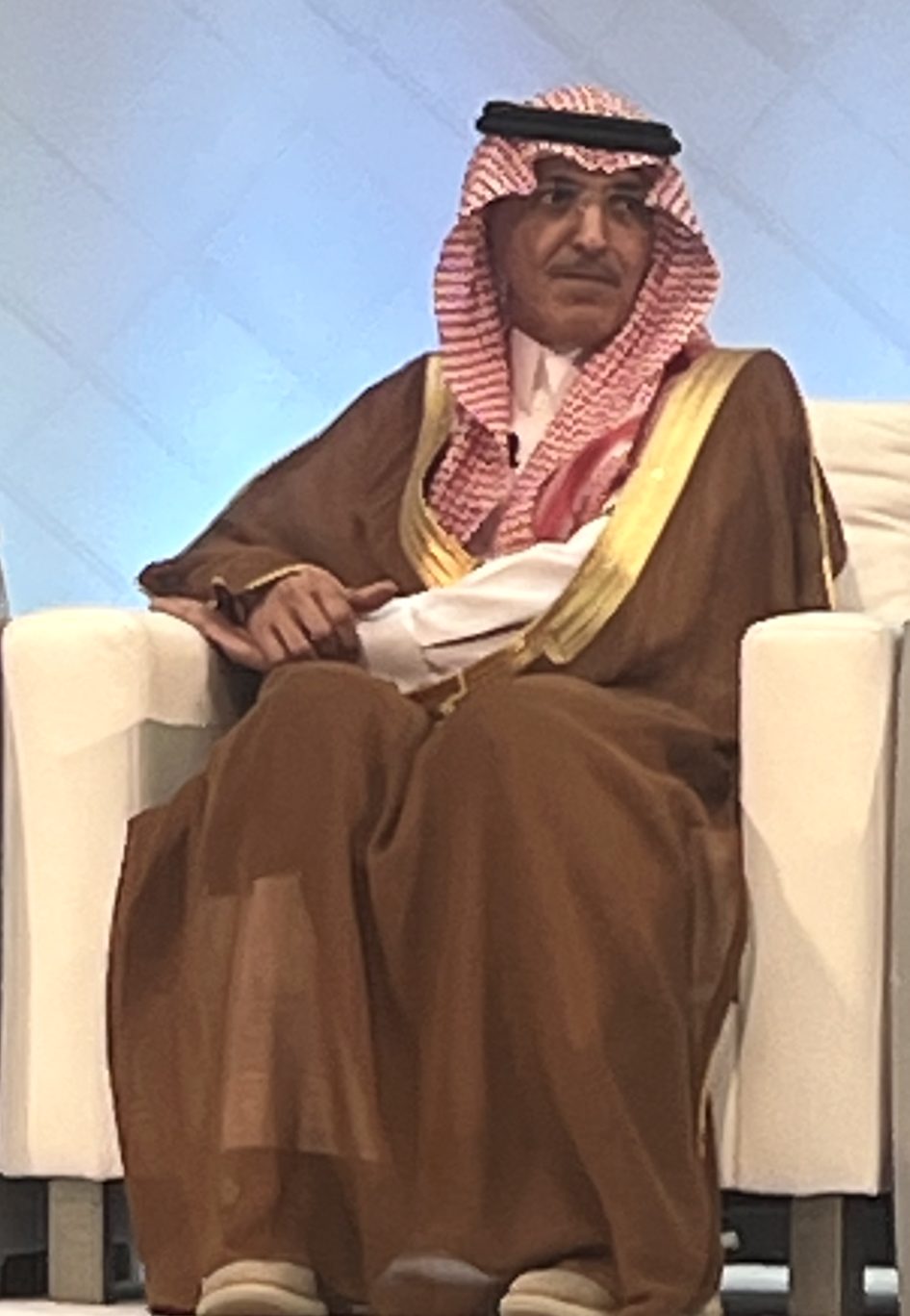
The only sentence out of Bangkok locked in the Gulf's weight at the global financial table for another year: Finance Minister Mohammed Al-Jadaan's IMFC presidency has been extended through January 2028. By unanimous vote, with IMF management's backing. In my column last Monday, I wrote that the Bangkok table and the missile fire in Riyadh skies needed to be read simultaneously; today the table grew, the missile news didn't fade, and the peg still sits at 3.7500.
Symbolic weight or concrete advantage? Gulf readers cannot afford to make that distinction without reading both. Because the same IMF's latest World Economic Outlook states that advanced economies' net borrowing will reach 5.2% of GDP this year — the highest level since the pandemic. In the U.S., general government net borrowing reaches 8.5% of GDP this year; in 2025 it was 7.1%, and pre-pandemic it was 5.8%. Budget deficits in China and the U.S. exceed 8%. The Fund's warning is clear: fiscal space must be rebuilt in major economies. The IMFC presidency is the chair of the table that carries this warning — not the chair that decides, but the seat that shapes the text.
That same night, Fed Chair Williams spoke from New York: he maintains the view that another rate hike this year could be appropriate, but sees no need for a new increase in 2027. With tariff effects and energy shocks fading, inflation will slow by a "meaningful degree," and next year the Fed will approach its 2% target, he says. He adds that price pressures from artificial intelligence infrastructure investment can be balanced by signals of disinflation in core inflation. Limited decline came in two-year U.S. Treasury yields.
Translation for the Gulf reader is straightforward. As long as the riyal holds at 3.7500 and the dirham at 3.6725, the Fed's likely final rate hike this year and its signal to pause in 2027 directly chart the interest rate path for Riyadh and Abu Dhabi. We are importing monetary policy; Williams's single sentence shapes the 2027 cost curve for Gulf mortgage lending, corporate borrowing, and real estate projects. The peg didn't change, but the cost curve did.
Third headline: In Washington, 6 Republicans and 6 Democratic senators wrote to Trump asking him to reverse the suspended sanctions license from the Russian diesel supply agreement reached with Putin on October 9. The letter's argument is two-layered: U.S. fuel prices will see limited impact, and Russian revenues will flow into China-Iran-North Korea security cooperation. The license still stands, but congressional pressure is mounting. The question I wrote in my Monday notebook — whether Russian cargoes head toward Asia — remains open; today a domestic political pushback risk has been added.
Let's sit at one table. The IMFC chair hands Riyadh the microphone; the Fed flattens the Gulf borrowing curve; Washington objects to its own diesel decision. The common denominator of all three is the peg's silence. The price doesn't move because the peg's job is precisely this: to ensure that none of the three separate noises outside are directly translated into the Gulf balance sheet. When the translation comes through without noise, we forget the translator.
The asymmetry today is starkly simple. Al-Jadaan holds the microphone in Bangkok, reads out the debt warning; Williams sets the Gulf's 2027 interest floor from New York; 12 senators push to revoke the diesel license in Washington. Three capitals, three decisions, one single fixed rate. Who bears the bill? Thanks to the peg, today it's invisible to anyone — and the peg's cost is precisely this invisibility.