Anthropic says Claude Mythos cut AMD GPU onboarding to three days
AI model ported or wrote almost 100% of kernels for AMD MI355X GPUs, Anthropic told IPO investors, versus six to 12 months previously.
ℹ️ Browser-based reading · AI studio voice coming soon
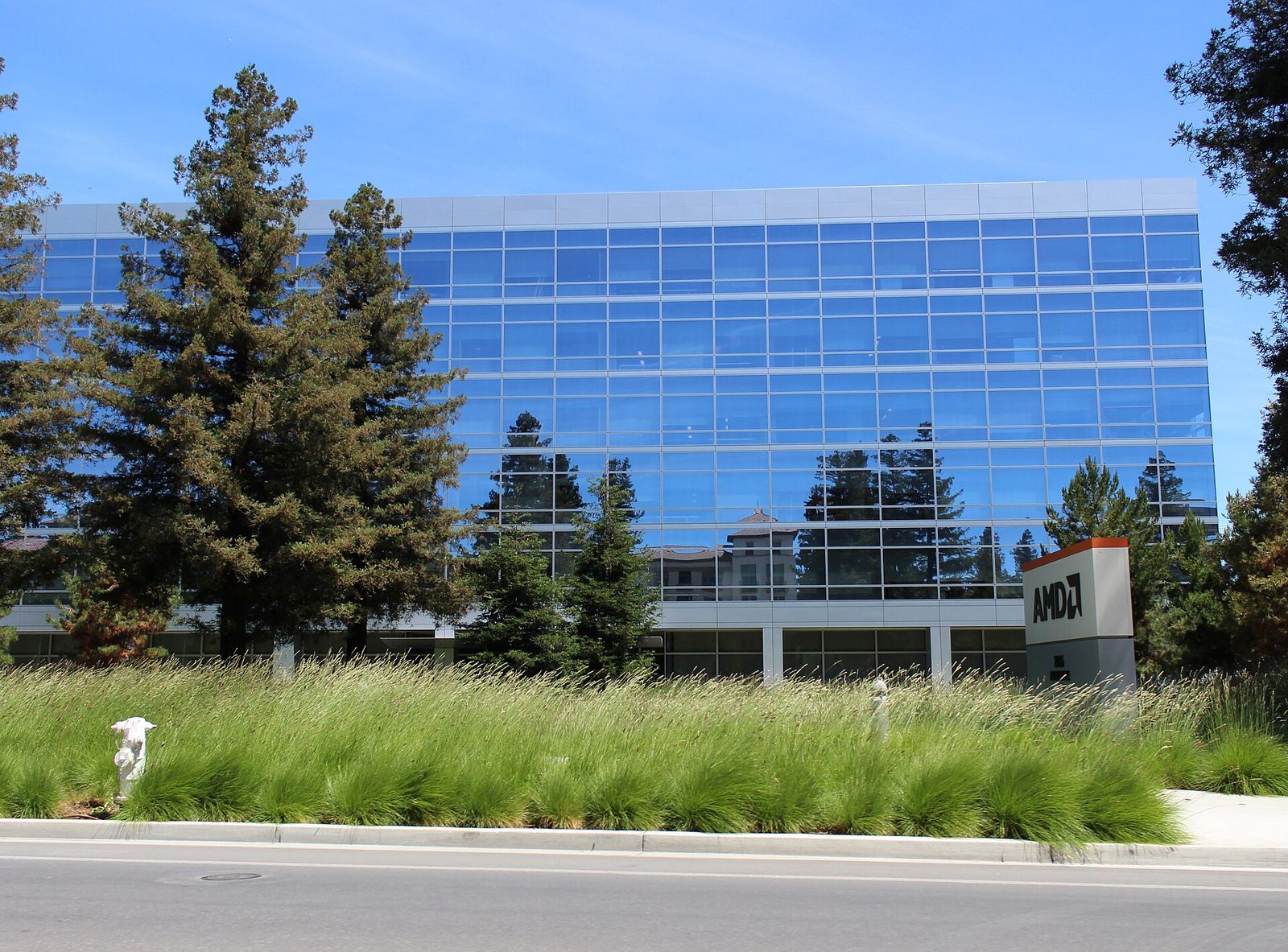
Anthropic told IPO investors that its Claude Mythos Preview model completed the software work needed to run its AI on AMD GPUs in about three days, with "basically no human intervention," a task the company says used to take six to 12 months.
The three days cover prompt processing for one Anthropic model on AMD MI355X GPUs "at a useful level of performance," with Mythos porting or writing "almost 100% of the kernels." That low-level code ties an AI model to a specific company's chips and has long been part of Nvidia's CUDA moat. An AI that can write it in days would suggest that moat is eroding.
Tom Brown, Anthropic's co-founder and chief compute officer, made the time comparison, noting to investors that the original work required a team of "dozens of engineers." Anthropic already runs its models on GPUs from Nvidia and AMD, Google's TPUs and AWS Trainium, and manages its fleet as "one fungible pool of compute." Brown called the early multi-chip decision "an unconventional bet."
The company's six-to-12-month estimate comes from its "historical experience bringing up new accelerators using traditional engineering approaches," where tailoring code to each hardware platform was a challenge. Removing that onboarding barrier could reduce the choice to a purchase decision. Anthropic began working with AMD GPUs for the first time this year, with an agreement for up to 2 gigawatts now in place.
CUDA, Nvidia's programming platform, is nearly two decades old. AMD has an equivalent, ROCm, with HIP as its programming layer, and a conversion tool called HIPify. Anush Elangovan, AMD's vice president of AI software, said in April that "Claude is better than HIPify because it has web search built in."
AMD has argued since August last year that AI can write this type of code, though a research agent it presented then fell short of human experts. In September, AMD CEO Lisa Su said much of AI software is written in CUDA and needs to be "translated to AMD," adding that "a ton of that can now be done in software." In July, AMD senior vice president of AI Vamsi Boppana said its engineers were using AI models to generate GPU kernels. Su said that when she asked whether her team was helping the Anthropic engineer working on the MI355X, she was told they did not need any help. Boppana said some resulting kernels were "better than the most manually tuned versions."
Under its July agreement with Anthropic, AMD is also using Claude to optimize workloads for its Instinct GPUs and to speed ROCm development. At AMD's Advancing AI event in July, OpenAI's Philippe Tillet said that once OpenAI got its Helios racks, a single engineer confirmed everything worked within a few days, and that "agents are taking over our jobs, in a sense, as kernel engineers." Before the event, AMD's Andrew Dieckman, corporate vice president and general manager of its data center GPU business, told reporters he has had practically zero conversations with AMD's customers about CUDA.
A published AI agent called GEAK, which writes GPU kernels, got 19 of 30 expert-written kernels right, at 0.92 times the experts' speed on average. Anthropic buys chips rather than selling them and is heading into its IPO next week. Its prospectus says: "We can onboard new chip platforms in a fraction of the time it once took."
Sources — how we know this
- PrimaryHacker News Front Page