Bundestag grants German intelligence agencies sweeping new powers
The BND and BfV can now covertly enter homes, launch cyberattacks and spread disinformation — a fundamental reform passed 309-190, with 71 abstentions.
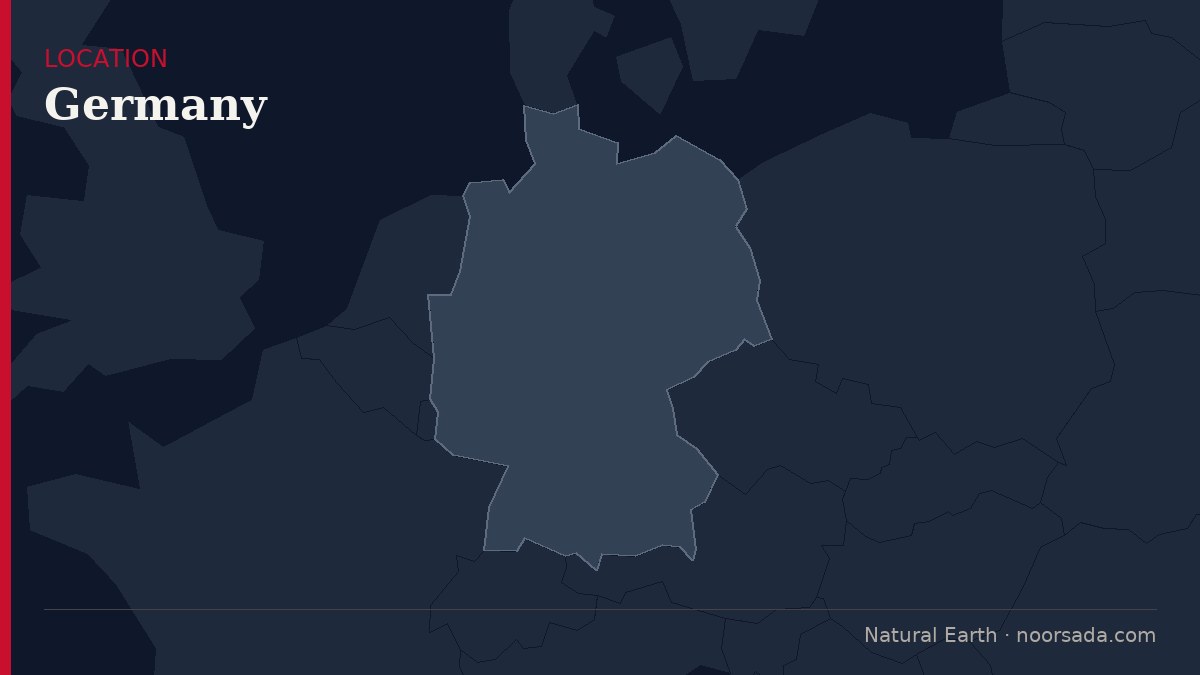
Germany's Bundestag voted on Friday to grant the country's intelligence services significantly expanded powers, with 309 votes in favour, 190 against and 71 abstentions.
Under the reform, the domestic intelligence agency Bundesamt für Verfassungsschutz (BfV) may now covertly enter homes, disrupt attackers' infrastructure with cyberattacks, reroute data traffic, delete information stored for attacks and deliberately spread disinformation. Under certain conditions it may also act against explosives or weapons. Arrests and open searches remain exclusive to the police.
The BfV will also be able to restrict cooperation with individual state-level offices (Landesämter) — a provision introduced in response to the AfD's election victory in Saxony-Anhalt.
The foreign intelligence service Bundesnachrichtendienst (BND) gains operational intervention powers, including the ability to disable servers of state hacker groups abroad. A panel of former judges will vet the legality of certain measures in advance.
Federal Interior Minister Alexander Dobrindt (CSU) described the reform as turning intelligence-gatherers into "real secret services" and said the measures were needed "against the enemies of democracy who threaten this country from outside and within." SPD deputy parliamentary leader Sonja Eichwede said the step strengthened "the resilience of democracy."
The Greens' deputy parliamentary leader Konstantin von Notz supported the BND portion of the reform but opposed the BfV law, accusing Dobrindt of going "a decisive step too far" on domestic surveillance powers.
The AfD and the Left Party both criticised the expansion as excessive, warning of a secret service that could threaten the state from within.
The coalition cited a heightened threat environment, particularly from Russian, Chinese and Iranian intelligence activity. German domestic and foreign services had until now held narrower powers than counterparts in other European countries, a constraint rooted in the experience of the Nazi era. The changes are also intended to reduce Germany's dependence on intelligence supplied by allied services.
Sources — how we know this
2 independent sources corroborated this
- PrimaryTagesschau
- CorroboratingDeutsche Welle (EN)