At COP31, the 2035 target: share of global electricity to rise to 35 percent
Speaking at the panel in Antalya, IRENA Director-General Francesco La Camera said grid investments are not keeping up with the growth in renewable capacity.
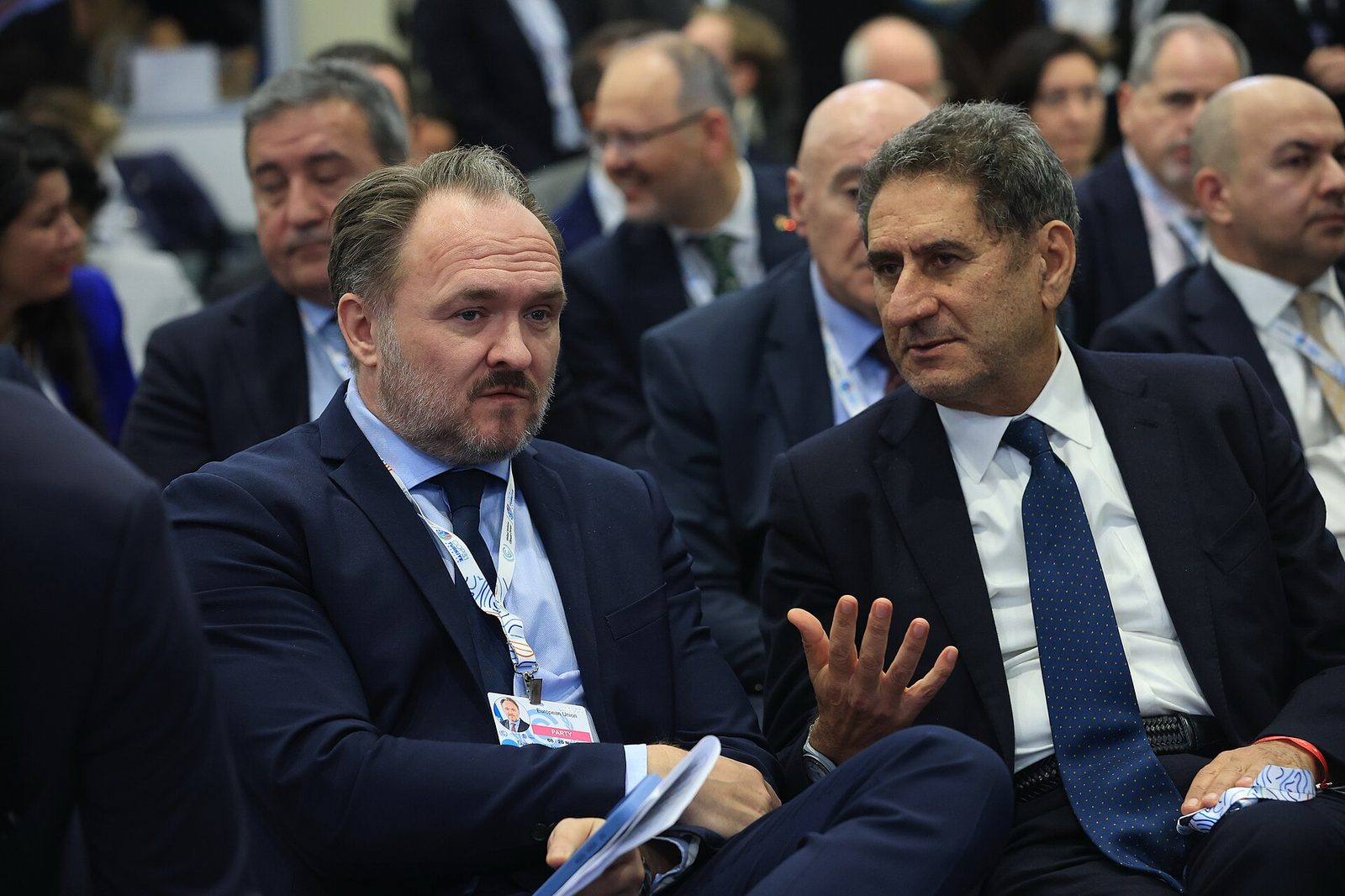
IRENA Director-General Francesco La Camera said at the COP31 panel held in Antalya that the transformation envisaged in the roadmap for moving away from fossil fuels must be carried out in line with the set targets; the panel's agenda was to raise the share of global electricity use to 35 percent by 2035 and to 50 percent by 2050. At the event held in Antalya, hosted by Türkiye within the scope of the 31st Conference of the Parties (COP31) to the United Nations Framework Convention on Climate Change, work on increasing renewable energy capacity, developing electricity grids and accelerating electrification in the buildings, transport and industry sectors was assessed.
Pointing to the importance of the initiative carried out with Turkish and Australian partners on this point, La Camera said: "Turning the commitments given on the transition from fossil fuels to renewable energy into concrete practices is one of the main issues focused on in the negotiations. The real issue is how the commitments given will be implemented."
The IRENA Director-General reported that a new record in global renewable energy capacity is not expected this year because distribution infrastructure cannot keep pace with the increase in renewable energy capacity. Citing China as an example, La Camera explained that renewable energy capacity in the country has risen rapidly in recent years, but that because transmission and distribution infrastructure could not be developed to the same extent, difficulties have been experienced in transferring the electricity produced to the grid. Saying "The main problem here is electricity grids," La Camera noted that they have launched technical support work for the development of grids and that they support accelerator initiatives within the UN.
GWEC Chief Executive Officer Ben Backwell, stating that the renewable energy sector should provide energy solutions to governments rather than merely offering technology, said: "While the installation of a large-scale offshore wind power plant takes an average of 2-3 years, permitting processes can reach about 9 years." Backwell said some of the delays stem from a lack of coordination and from the absence of set timetables and clear processes.
GIZ Management Board Director-General Ingrid-Gabriela Hoven, pointing to the importance of international cooperation in realizing the target, stated that the approaches developed need to be adapted to countries' own specific conditions. Hoven added that the human factor in the energy transition is as important as financing, and that investments in human resources will bring benefits for the economy, society and individuals.
Sources — how we know this
- PrimaryAnadolu Ajansı — Ekonomi