Corridor VIII and the Quiet Return of EU Geoeconomics
A speech in Sofia, a speech in Dublin, and a Daily News bulletin on ecolabels. Read together, they describe how the Commission is relearning the vocabulary of trade security.

A Commissioner delivered a speech in Sofia today on something called Corridor VIII. Few readers outside the Western Balkans transport community will have heard of it. That is precisely why it deserves the lead paragraph.
Corridor VIII is the east-west line that runs from the Albanian Adriatic through North Macedonia and Bulgaria to the Black Sea. It has existed on European planning maps since the mid-1990s, mostly as an aspiration. The Commissioner for Enlargement spoke of it today in Sofia under a title that would have been unimaginable in a Juncker-era communiqué: how to make European trade routes more secure in a world where they are increasingly under pressure.
The operative word is secure. For two decades, EU transport policy was written in the dialect of the single market — interoperability, cohesion funds, missing links. The dialect being spoken now is different. It is the dialect of chokepoints, of alternative routings, of what happens if a corridor is cut. The Red Sea taught the Commission that lesson in 2024. The land corridors across the Caucasus and the Western Balkans are the next chapters of the same book.
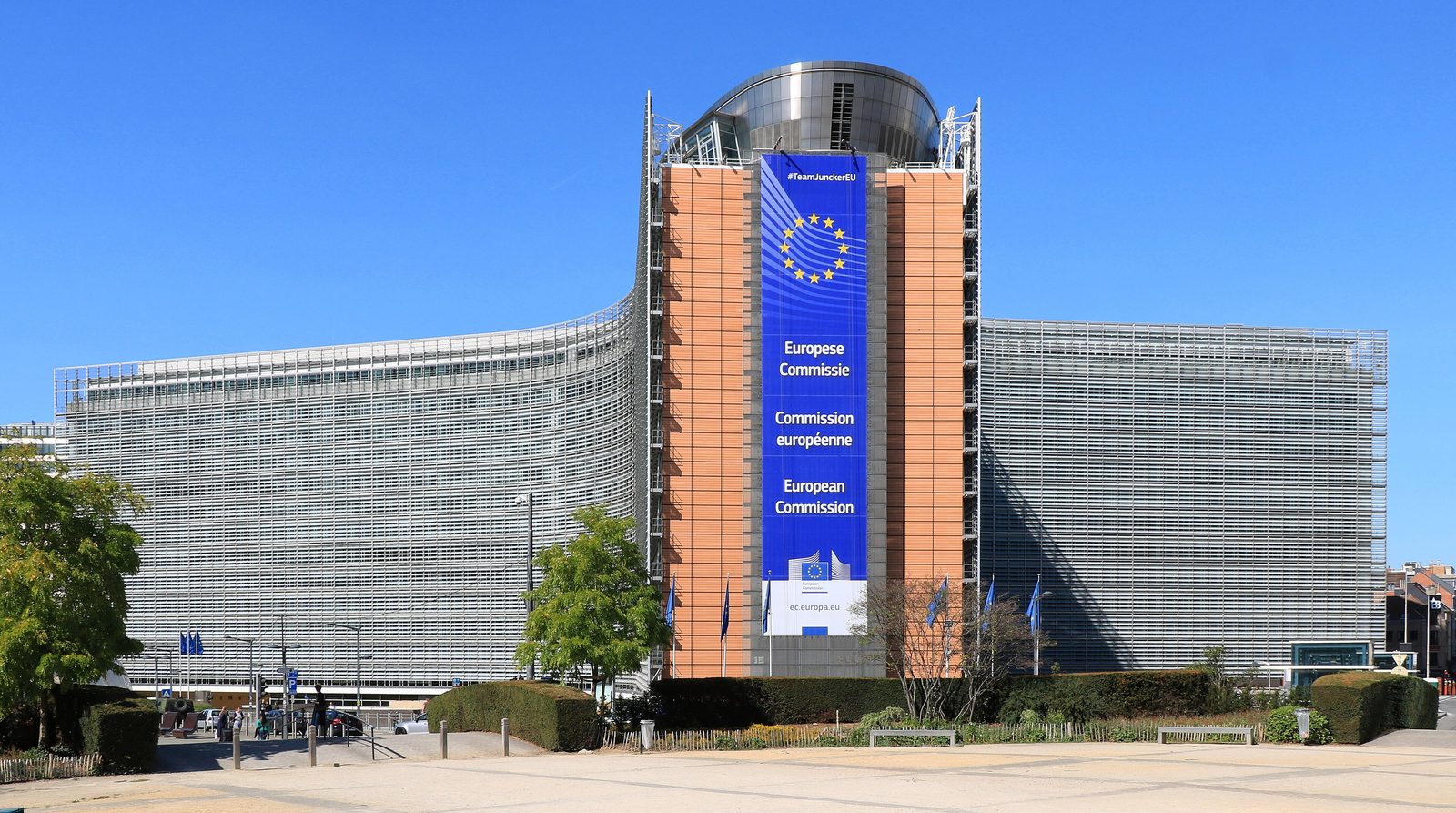
This is where the choreography between institutions becomes interesting. The Enlargement portfolio does not, formally, own trade security. Transport belongs to one Commissioner, trade to another, defence industrial policy to a third, external action to the High Representative. A speech by the Enlargement Commissioner on securing trade routes is therefore a small act of boundary-crossing. Someone in the Berlaymont decided that the enlargement file is now also a geoeconomic file. That decision was not announced in a press release. It was announced by sending her to Sofia with that speech.
Sofia itself matters. Bulgaria has been the most consistent advocate inside the Council for treating Corridor VIII as a strategic rather than developmental project. Rome has backed this quietly, because the Adriatic terminal is in Durrës and the Italian ports want the hinterland traffic. Athens has been more reserved, for reasons that have to do with Corridor X and the Thessaloniki hub. The compromise that is now emerging — a Commission framing that elevates the corridor's security dimension while keeping its financing inside existing enlargement and connectivity envelopes — is a Bulgarian win drafted in Italian ink.
Enforcement, as ever, will tell us what the policy actually is. There are two tests to watch. The first is whether the forthcoming Western Balkans Growth Plan disbursements become conditional on physical progress along the corridor, which would turn a transport project into a lever of accession discipline. The second is whether the Connecting Europe Facility's next call for proposals opens a dedicated window for dual-use infrastructure — rail and road that can carry both commercial freight and military mobility assets. If either happens, Corridor VIII graduates from map to instrument.
For Gulf readers, the transmission runs through logistics capital. DP World operates the Durrës terminal under a concession signed in 2021. Any shift in the corridor's status from developmental to strategic changes the regulatory environment around that concession — screening of foreign investment under the updated FDI Regulation, dual-use export controls on terminal equipment, and the EU's emerging economic security toolkit. A port operator headquartered in Dubai will discover, probably through a letter from a national screening authority, that its Albanian subsidiary now sits inside a security perimeter it did not sign up for. The paperwork will be routine. The implications are not.
Meanwhile in Dublin, the Equality Commissioner spoke to the Irish EU Affairs Committee about preparedness, the formal theme of the Irish Presidency's second half. Preparedness is the word Brussels has chosen for what Washington calls resilience and what Beijing calls self-reliance. It covers everything from stockpiles to cyber to critical raw materials. The Dublin speech and the Sofia speech are halves of the same brief: the Union is building a doctrine of civilian security, article by article, speech by speech, without ever using the word doctrine.
The Daily News bulletin from the Berlaymont today led with a Eurobarometer on consumer trust in the EU Ecolabel. That juxtaposition — ecolabels on the front page, trade corridor security in the speeches — captures the Commission's current communicative stance perfectly. The visible agenda remains green and consumerist. The actual agenda is being written in Sofia.
Watch the trilogue calendar for the Economic Security Package. That is where today's speeches will become binding text.