Democrats to control 22 state trifectas after midterm wave
At least 530 legislative seats changed parties, the party's best showing since the Watergate era, with Wisconsin, Pennsylvania and Nevada first in line on wages and unions.
ℹ️ Browser-based reading · AI studio voice coming soon
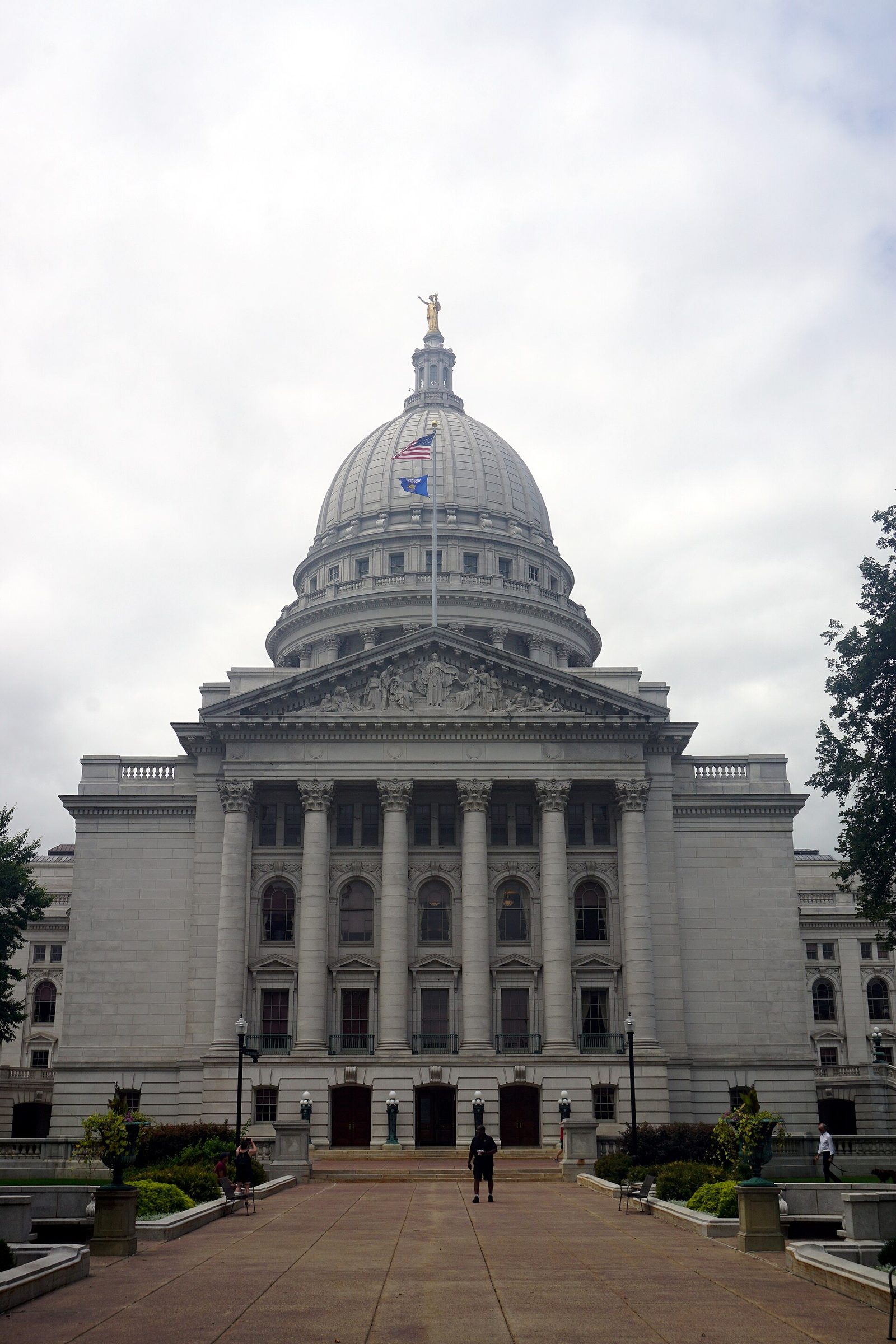
Democrats will control the governor's office and both legislative chambers in 22 states after this month's midterm elections, including six states where they won full control — Arizona, Wisconsin, Pennsylvania, Nevada, Michigan and Minnesota — and a majority in a dozen new statehouse chambers.
At least 530 legislative seats changed parties across the country, the party's best showing since the Watergate era and the biggest partisan swing since Republicans gained more than 700 seats and flipped 22 chambers in 2010.
"It is hard to overstate how massive of a political earthquake this was," said State Representative Oscar De Los Santos, the incoming Arizona House speaker, who at age 33 was not alive the last time Arizona Democrats held the majority in any legislative chamber.
In Wisconsin, Pennsylvania and Nevada, Democrats want to raise the minimum wage, strengthen unions and pass paid family leave, with Republicans reduced to minorities. In Georgia and Texas, where Democrats will occupy the governor's office and control their state houses, Republicans still holding the state senates will face pressure to expand Medicaid under the Affordable Care Act. Wisconsin, one of the few states outside the South that has not expanded Medicaid, could do so quickly. New Democratic governors will also move to rein in data centers and artificial intelligence.
In Arizona, where Democrats have not held the legislature and governor's mansion in 60 years, the party is determined to repeal abortion restrictions and revamp a costly school vouchers program as part of what De Los Santos called "big, bold initiatives that help working people."
Alaska will have a functional trifecta, with Democratic governor-elect Jonathan Kreiss-Tomkins working with a coalition of Democrats, Republicans and independents he helped assemble.
The most closely watched new trifecta could be Wisconsin, where Democrats will control both the state House and Senate for the first time since 2010. Gov. Tony Evers, a Democrat, has served two terms but has mostly played goalie, using veto power and attempting to block legislation pushed by Republicans. Greta Neubauer, the incoming Assembly speaker, said the initial aim will be addressing the cost of living by lowering the costs of groceries, gas, health care and child care — potentially through expanded free or reduced-price school meals or a tax credit for renters and homeowners.
"It's just the legislative process," said Austin Davis, the Pennsylvania lieutenant governor, who said it would be a lot easier with "members of the same party controlling all three branches of government."
Gaby Goldstein, founder of State Futures, a network of 900 progressive lawmakers, said there is "such a tremendous feeling of optimism and also urgency" between now and January.
Former Wisconsin governor Scott Walker, whose Republicans moved quickly to strip public union bargaining rights after 2010, said the new Democratic leaders "have every right to enact their own agenda" but warned that "if liberals ignore the will of the people," there would be another major shift in the 2028 elections.
Sources — how we know this
- PrimaryThe New York Times — U.S.