Deutsche Bank ignored its own warnings on risky clients, leaked files show
More than 15 million internal documents show Germany's largest bank kept high-risk customers despite warnings from its own specialists.
ℹ️ Browser-based reading · AI studio voice coming soon
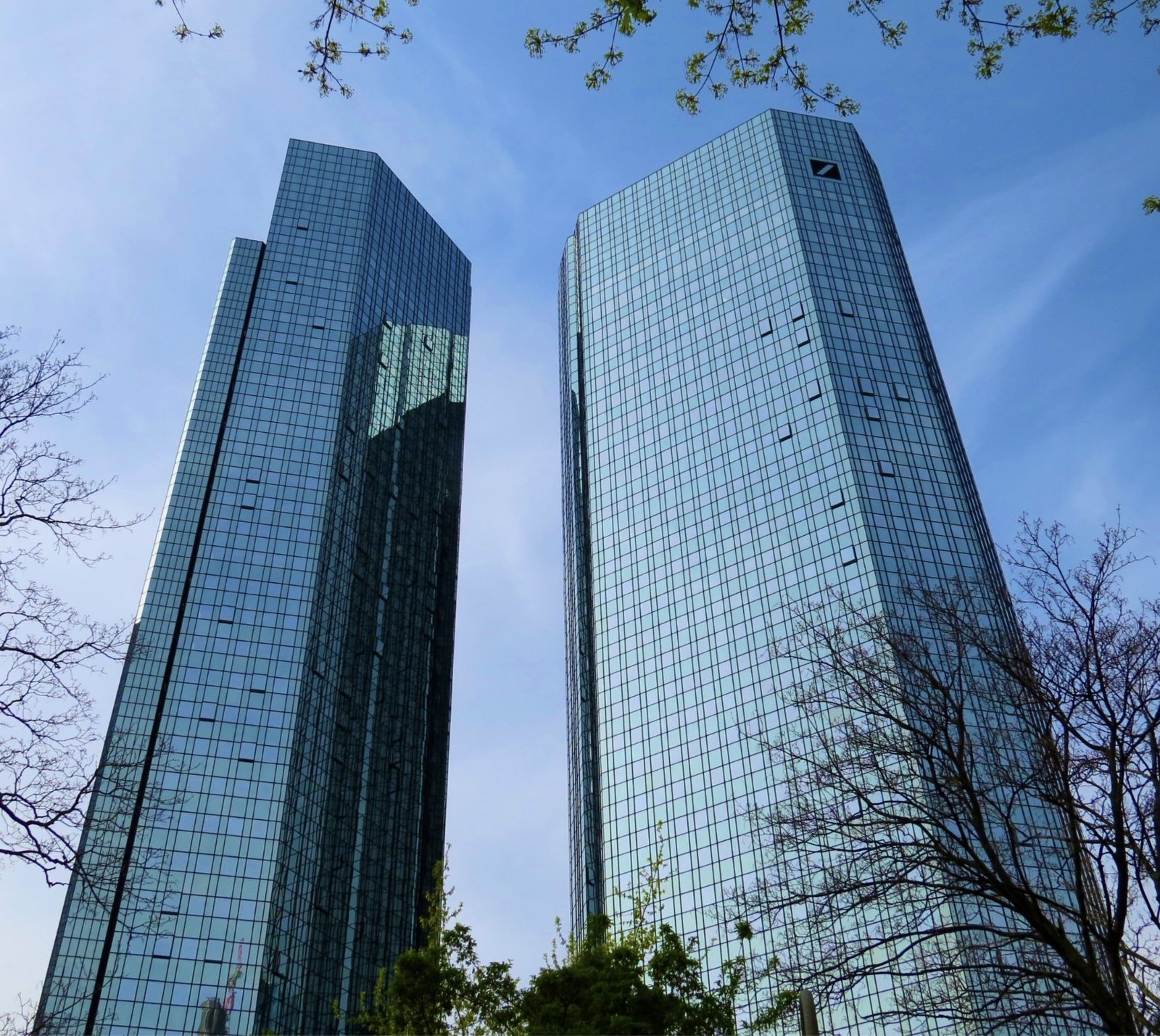
Deutsche Bank kept high-risk customers and carried on controversial business after its own specialists warned of money laundering, corruption and sanctions breaches, more than 15 million internal documents show. The files, including more than nine million emails, come mainly from the units that dealt with problematic transactions and sensitive clients.
Two whistleblowers handed the material over last year to the Indian journalist Josy Joseph and the South African journalist Khadija Sharife, who shared it with more than 50 media organisations worldwide. The South African non-profit Barracuda Media coordinated the research, with technical support from the Berlin-based Data and Research Center.
In one case an employee discovered in 2020 signs of a suspected money-laundering network through which hundreds of millions of euros had already passed. Monitoring systems had registered individual anomalies but never linked them, and the pattern took about three years to surface. In Colombia the bank processed thousands of suspicious transactions without initially filing suspicion reports in Germany.
The documents also show the bank held on to fraudsters and convicted criminals, among them Russian oligarchs, as customers for years, in some cases despite internal warnings. In a 2017 internal email, chief executive Christian Sewing complained about the consequences of strict customer checks: "KYC bricht uns das revenue Genick (sic!)."
On Jeffrey Epstein the bank identified suspicious transactions worth nearly 600 million dollars, more than double the amount previously public, and kept him as a client for more than five years, apparently closing his last accounts only in July 2019. In 2017 it accidentally sent Donald Trump's tax documents and apparently did not inform him. It also helped a foundation of the Albrecht family, the owners of Aldi, with tax minimisation that was then still permitted; the foundation said it had always acted legally and in a tax-correct manner.
Deutsche Bank said it is a different institution today, having invested in its internal controls and changed its corporate culture under Sewing. It said it had put seven billion euros into its control systems between 2019 and 2025, that many of the matters in the files date back years and have been worked through with supervisors, and that it does not comment on potential, former or existing client relationships. It noted that no fine was imposed on the bank or on any employee in the money-laundering case.
The loss of the files is itself a problem for the bank. They contain sensitive information on clients' wealth and business relationships, among them billionaires, politicians, members of royal houses and international corporations. Affected customers could seek damages, and supervisors could examine the bank's security and control systems.
Sources — how we know this
4 independent sources corroborated this
- PrimaryZDF heute
- CorroboratingLe Monde in English
- CorroboratingFinancial Times — UK
- CorroboratingThe Guardian — UK business
Start Trading
Turn this analysis into an opportunity via Binance or TradingView.
View Now →