Six solo buses join IETT fleet in Edirnekapi: 760 of 2,000-vehicle target completed
IBB Deputy Mayor Nuri Aslan unveiled the first batch of 12-metre buses with Euro 6 engines at the Edirnekapi IETT Garage; 55 metrobuses and 90 buses will be delivered by the end of the year.
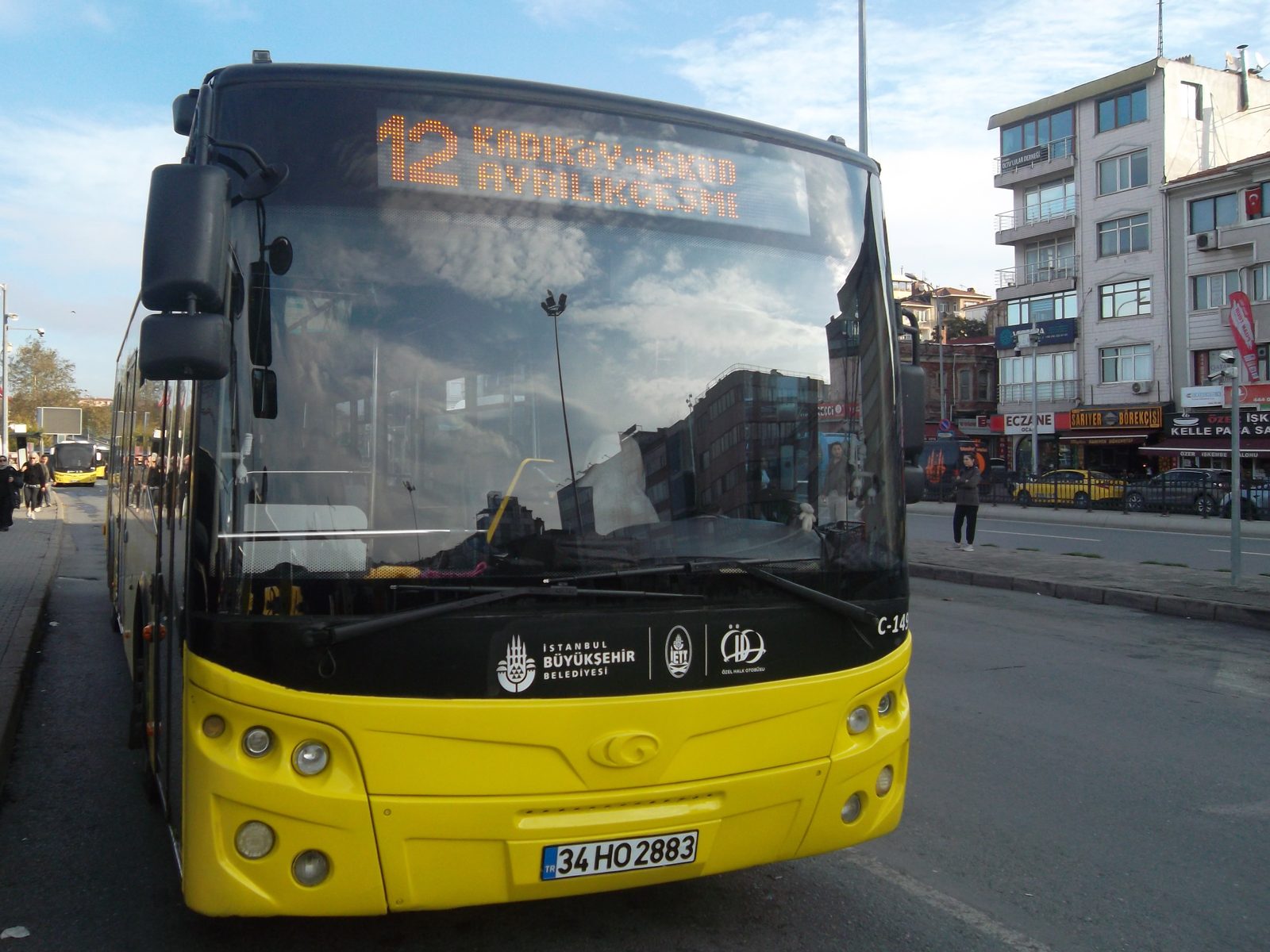
Istanbul Metropolitan Municipality (IBB) added the first batch of new-generation solo buses, 12 metres long and powered by Euro 6 engines, to the IETT fleet at a ceremony held at the Edirnekapi IETT Garage as part of its target of 2,000 new buses. The vehicles were taken into the fleet in the presence of IBB Deputy Mayor Nuri Aslan, IBB Secretary-General Prof. Dr. Volkan Demir and IETT General Manager Irfan Demet; Demet gave a technical presentation at the ceremony on the overall performance of the vehicles.
The garage holds 6 of the 12-metre buses and 30 metrobuses with a capacity of 280 passengers. IETT had put 30 new metrobuses into service last month. Aslan said that by the end of the year 55 metrobuses and 90 12-metre buses would be delivered, amounting to a serious total delivery.
IETT carries 52 percent of the city's public transport load, with 5 million daily trips and 1.4 million kilometres travelled. According to the figures given by Aslan, the fleet had 3,065 vehicles in 2019; the fleet has grown by around 23 percent to 3,765 vehicles, and to 6,800 vehicles including privately owned public buses. Recalling that they had said "we will buy 2,000 buses," Aslan said that as of now, for the 2,000 vehicles, "all procedures for 760 of them have been completed, and contracts for 660 of them have been signed."
Noting that 12-metre buses previously used Euro 3 engines and that they have now moved to Euro 6, Aslan said there is a difference of around 100 percent between the two engines in terms of carbon emissions, and that this provides both fuel savings and environmental protection. Pointing to IBB's 2050 carbon-neutral vision, Aslan said they had returned from COP30 two days earlier.
Stressing that the buses were not purchased from abroad, Aslan stated that, thanks to the advantages the Public Procurement Law grants to domestic manufacturing companies, vehicles produced entirely by domestic workers and 100 percent Turkish-made had been purchased. Aslan also added that as of 14 November they were talking about a municipality with no tax debt and no SSK debt.
Aslan also noted that they continue construction of metro lines, that metro vehicles are produced entirely in Turkey, and that the TRAM34 project covers 34 trams to be used on the T4 line.
Sources — how we know this
- PrimaryCumhuriyet Gazetesi