Eisenkot's coalition bargaining stalls on military exemption
The biggest obstacle in the talks with UTJ is the demand that ultra-Orthodox Jews be exempted from mandatory military service and the request for a written guarantee.
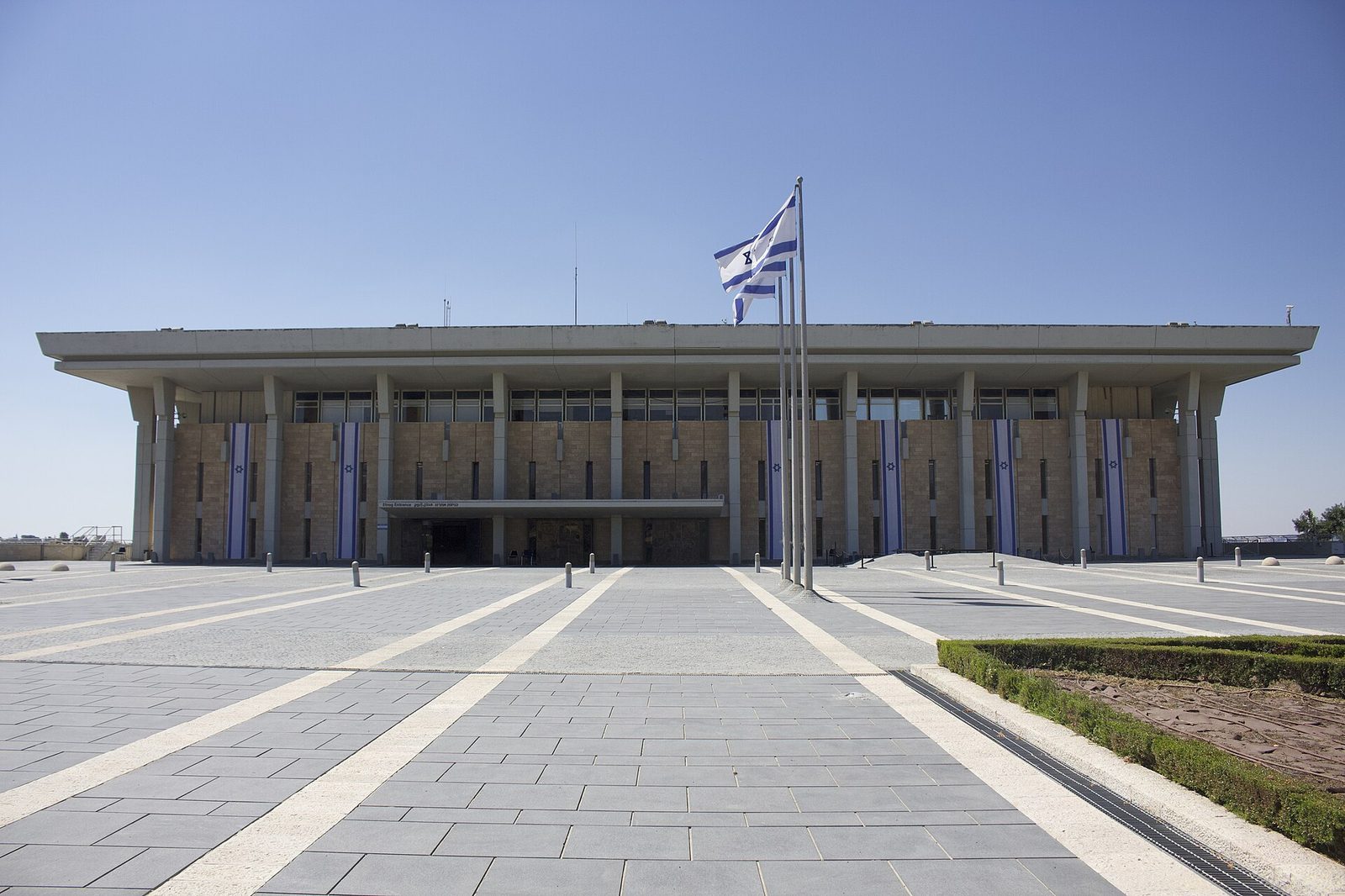
Gadi Eisenkot, leader of the Yashar Party, who has been tasked with forming the new government in Israel, has not yet reached an agreement in the talks he is conducting to bring the ultra-Orthodox United Torah Judaism (UTJ) Party into the coalition. The Jerusalem Post wrote that the biggest obstacle before the negotiations is the demand concerning the exemption of ultra-Orthodox Jews from mandatory military service and the request for a guarantee that these arrangements will be implemented.
Eisenkot, who was tasked by President Isaac Herzog with forming the government, has about three weeks to form a coalition. If Eisenkot cannot secure sufficient support within this period, he will be able to request an additional 14 days from the President.
The religious leaders of the Agudat Yisrael group within UTJ demanded personal commitments from all 48 lawmakers led by Eisenkot that they would legislate the military exemption. The demands also include the postponement of military service for students in full-time religious study and the preparation of a special legal arrangement that would come into force if the exemption law is struck down by the High Court of Justice. The ultra-Orthodox parties also want an end to detention practices against draft evaders and to the sanctions imposed on religious school students. UTJ lawmaker Yakov Asher, stating that they have three basic conditions in the talks, demanded that the legal status of religious school students be guaranteed, that the independence of ultra-Orthodox educational institutions be protected, and that the existing order in religion-state relations be maintained.
The bloc led by Eisenkot is considering the option of suspending mandatory military service practices for one year in order to obtain the support of the ultra-Orthodox parties. According to the proposal, after the new government is formed, detentions and sanctions against draft evaders will be temporarily halted; during this process the parties will work on a new law based on the military service arrangement Avigdor Liberman presented in 2018. However, past rulings of the High Court of Justice do not allow the government to suspend military service practices by administrative decision alone; for this reason, the option of passing a temporary law is also on the agenda.
Knesset arithmetic is also making the process more difficult. Eisenkot's initial plan was to form a minority government of 48 lawmakers to remove Netanyahu from office and then expand the coalition; Avigdor Liberman opposed this option. If UTJ joins, the number of lawmakers supporting the government will rise to 55, and six more lawmakers will be needed for a parliamentary majority. For this reason, the options of the Shas Party joining the coalition or giving its support in the confidence vote are being focused on; the position of Shas leader Aryeh Deri has not yet become clear.
It was reported that Prime Minister Binyamin Netanyahu held direct contacts in order to prevent the ultra-Orthodox parties from joining Eisenkot's coalition. In Eisenkot's bloc there is concern that a prolongation of the talks could give Netanyahu an opportunity to obstruct the process and take the country to new elections.
Sources — how we know this
- PrimaryCumhuriyet Gazetesi