EU backs Greece as Libya ratifies maritime corridor deal with Turkey
Libyan parliament's unanimous vote revives a disputed 2019 memorandum that Greece says violates its exclusive economic zone rights under UNCLOS.
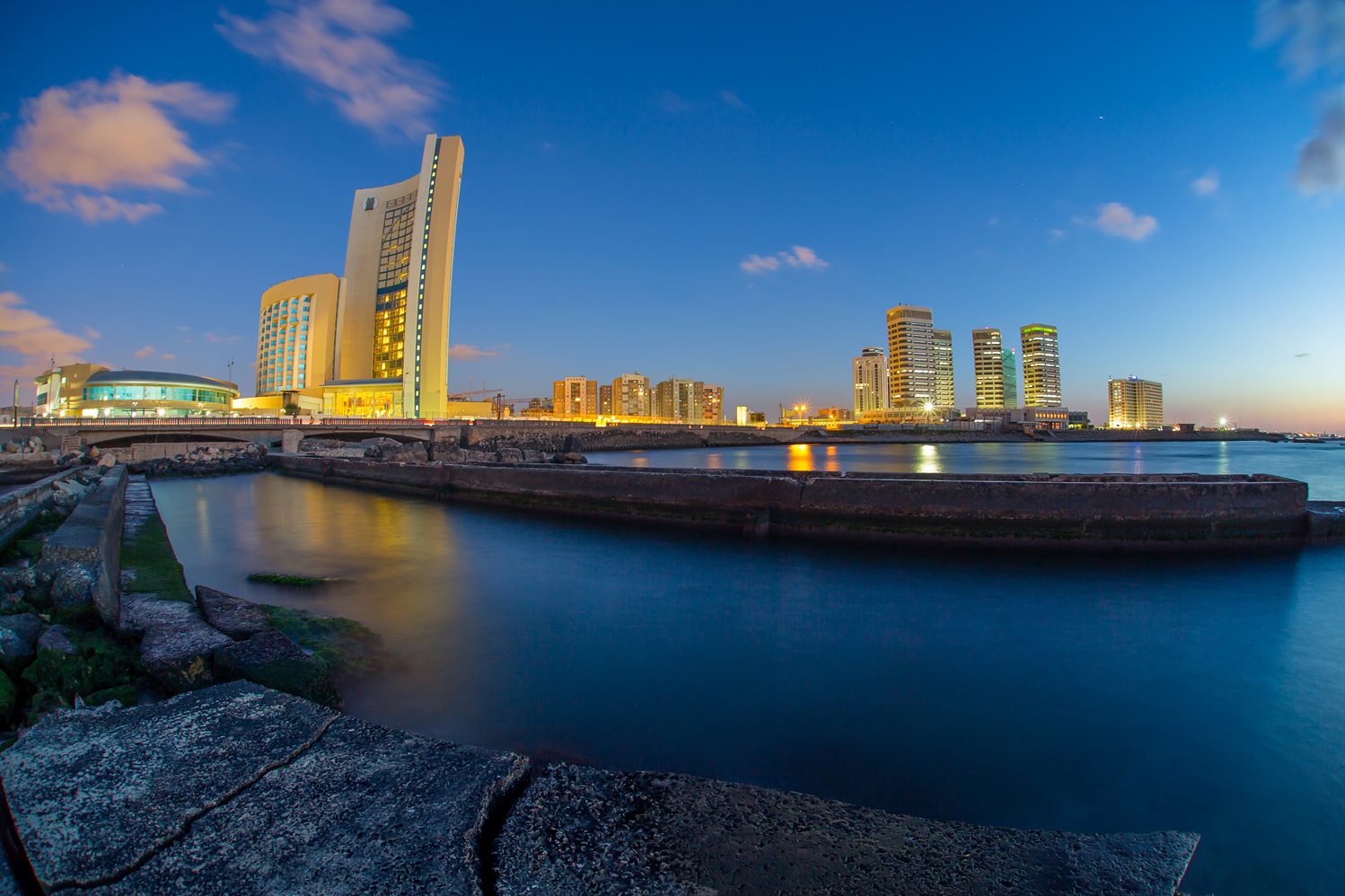
Libya's parliament has unanimously ratified a maritime agreement with Turkey establishing a direct economic corridor between the two countries' coastlines, a move the European Union has called null and void.
The corridor follows from a memorandum Turkey signed with Libya's UN-recognised Government of National Accord in 2019. Until now, the rival eastern Libyan parliament had opposed the deal. Its reversal hands Ankara a significant diplomatic win in a region where large oil and gas deposits have recently been discovered — estimates suggest natural gas reserves worth several hundred billion US dollars may lie beneath the seabed. Turkey and Libya have said they intend to jointly exploit the resources in the contested area.
The agreement traces a direct line between Turkey's southern coast and Libya's northern coast, bypassing Greek islands including Crete, Karpathos and Rhodes. Greece's Foreign Ministry posted on X that it firmly rejects the accord and cited EU backing. EU High Representative for Foreign Affairs and Security Policy Kaja Kallas said on X that she "raised yesterday's Libyan vote on a maritime MoU with Türkiye" and stressed that it infringes upon the sovereign rights of third states. The European Union has described the Turkish-Libyan memorandum as null and void, stressing that it violates the sovereign rights of third states and is not consistent with the Law of the Sea.
Greece grounds its claim in Article 121 of the UN Convention on the Law of the Sea, which grants inhabited islands that "support an economic life of their own" the same exclusive economic zone rights as mainland territory — a provision Athens says applies to Crete, Rhodes and Karpathos. Athens also cites a 2022 ruling by the International Court of Justice in which the court found that Colombia had violated the sovereign rights of Nicaragua by authorising fishing activities in the Central American country's exclusive economic zone. The ICJ held that where interests overlap, a fair demarcation must be reached taking into account coastlines, geographical conditions and the implications of a potential boundary.
Turkey argues that extending full exclusive economic zones to every small Greek island off the coast of Turkey and Cyprus would largely cut Ankara off from access to the open sea, and that this must be given greater weight in any boundary demarcation. Unlike Greece, Turkey has never signed UNCLOS and does not accept UN arbitration to resolve the dispute. Even international experts on the law of the sea disagree on what a fair division would look like in this specific case.
Sources — how we know this
- PrimaryDeutsche Welle (EN)
Energy Portfolio
Check your broker for the latest on energy stocks.
View Now →