Explosive device hits Bastia social affairs building; FLNC-UC tags found
A device went off at the Maison des affaires sociales in Bastia before dawn; tags referring to the FLNC-UC were found and an investigation is open.
ℹ️ Browser-based reading · AI studio voice coming soon
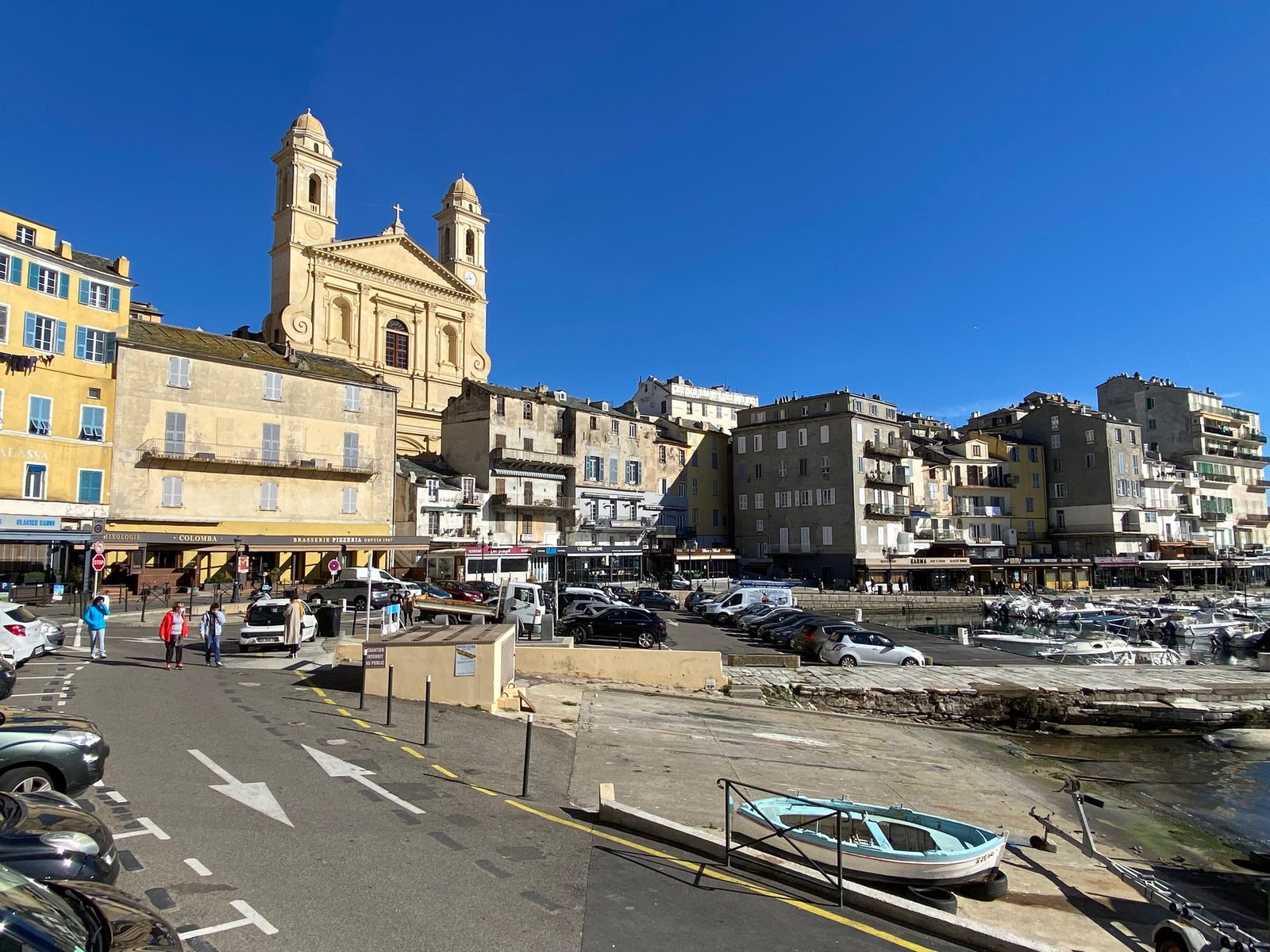
An explosive or incendiary device damaged the entrance of the Maison des affaires sociales in Bastia at about 1am on Tuesday, an attack the prefecture of Haute-Corse said could have had dramatic consequences on a busy street. Nobody was injured.
The building houses the Corsican regional health agency (ARS) together with prefecture services, the departmental directorate for employment, labour, solidarity and population protection, and the regional directorate for food, agriculture and forestry.
Bastia's public prosecutor, Jean-Philippe Navarre, said the ARS premises were degraded by the device, causing limited damage. The entrance gate was slightly damaged; the glass doors and a false ceiling of the entrance were also hit. Inscriptions reading "ARS Fora" — Corsican for "ARS out" — and "FLNC UC" were found at the scene and have since been erased.
The prefecture said the Direction interdépartementale de la police nationale in Haute-Corse went to the site immediately to secure it and carry out the initial findings. The prosecutor's office opened an investigation; one account of the charge describes it as destruction by dangerous means, another as degradation by dangerous means.
The prefect of Corsica, Éric Jalon, the prefect of Haute-Corse, Véronique Deprez-Boudier, and the director general of the ARS, Christelle Boucher-Dubos, condemned the attack against services whose first vocation is to bring help and support to residents and the territory.
On 6 August the clandestine FLNC-UC group rejected the autonomy project for Corsica, which has been stalled since the Senate rejected an amended text it called a masquerade. At a clandestine press conference, about fifteen masked and armed individuals said non-Corsican "invaders" on the island should not consider themselves safe.
Sources — how we know this
- PrimaryLe Figaro