French ambassador to Russia calls Moscow's security demand 'legitimate'
Nicolas de Rivière says Ukraine also needs guarantees, and urges European governments to take part in shaping any settlement.
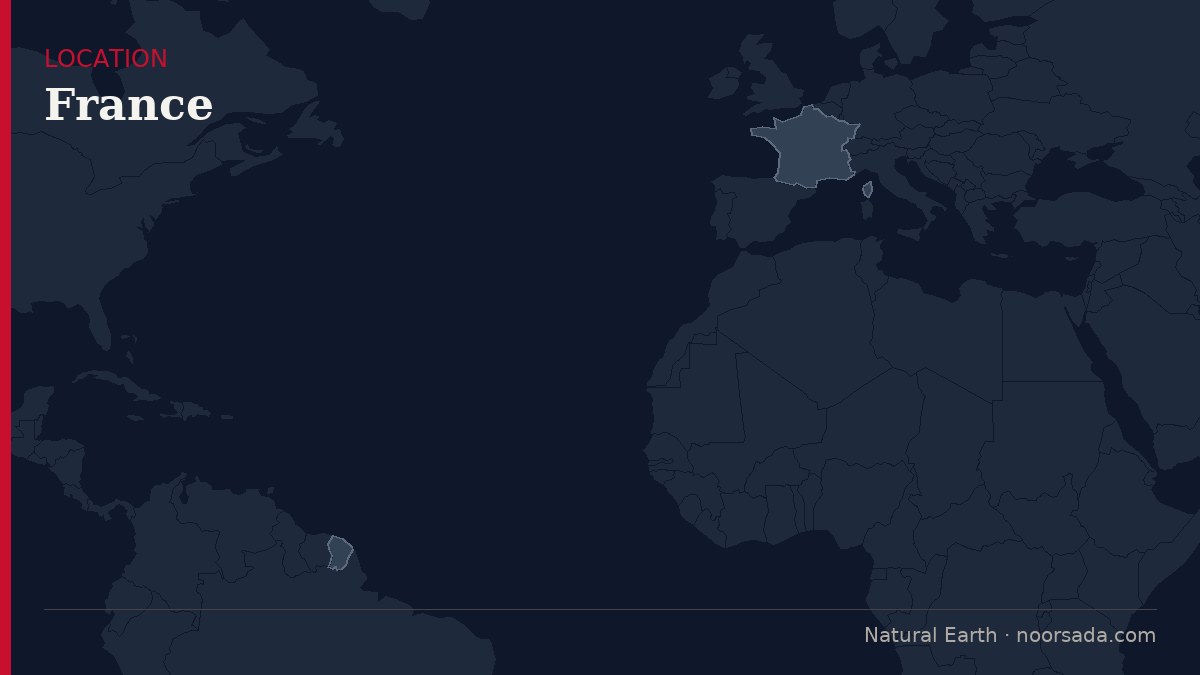
France's ambassador to Russia, Nicolas de Rivière, described Moscow's call for security guarantees as legitimate in an interview published on Thursday, Nov. 12, while stressing that Ukraine needs such protections too.
De Rivière told RTVI that "Ukraine certainly needs them" and that Russia also says it needs these guarantees, which he believes constitute a legitimate demand. He said a settlement should prevent another war and leave all parties feeling secure, and argued that European governments must participate in shaping it, given their role in sanctions and reconstruction as well as in security arrangements. He did not specify what guarantees Moscow should receive.
Russia has tied its demands to limits on Ukraine's defence and foreign policy, including opposition to foreign troop deployments on Ukrainian territory. In February, Russian Deputy Foreign Minister Alexander Grushko told Izvestia that a settlement must rule out Ukrainian NATO membership and the deployment of foreign troops in Ukraine.
France's own proposals include a possible multinational deployment to deter another Russian attack after a ceasefire. Paris and London jointly lead the 36-country Coalition of the Willing, which coordinates military support for Ukraine and preparations for postwar guarantees. The French Foreign Ministry outlines five pillars: participation in US-led ceasefire monitoring, long-term support for Ukraine's armed forces, a multinational force, commitments to assist Ukraine following another Russian attack, and deeper defence cooperation. The force would deploy at Ukraine's request after a credible cessation of hostilities.
France also joined a European security declaration issued in Dublin on Thursday, reaffirming support for Ukraine's independence, sovereignty and territorial integrity within its internationally recognised borders. NATO members signing the document reaffirmed the alliance as the foundation of their collective defence.
G7 foreign ministers, meeting in Paris on Monday and Tuesday, reaffirmed support for a comprehensive, reciprocal ceasefire in a joint statement published on Wednesday, identifying an end to attacks on energy infrastructure and in the Black Sea as an important initial step toward a lasting peace.
Negotiators in Abu Dhabi also discussed security guarantees for Russia on Tuesday and Wednesday, alongside guarantees for Ukraine and Europe. Kyiv's position is that the war must stop before work can proceed on a broader European security framework.
Speaking in Dublin, President Volodymyr Zelenskyy warned that US-Russian discussions appeared to concern a broader security framework between Europe and Russia, extending beyond guarantees for Ukraine. He and US envoys Steve Witkoff and Jared Kushner later announced that European representatives would join the next round of peace talks. A presidential readout published on Friday said securing fuller European participation was among the results of the week's diplomacy, and Zelenskyy announced preparations for further multilateral meetings and a major prisoner exchange.
Sources — how we know this
- PrimaryKyiv Post