Hamza Diab, UNFPA, and the New Grammar of Arab Celebrity Diplomacy
When a 20-year-old Egyptian actor becomes a UN champion for youth and reproductive health, the question worth asking is: who is this appointment really for?
ℹ️ Browser-based reading · AI studio voice coming soon
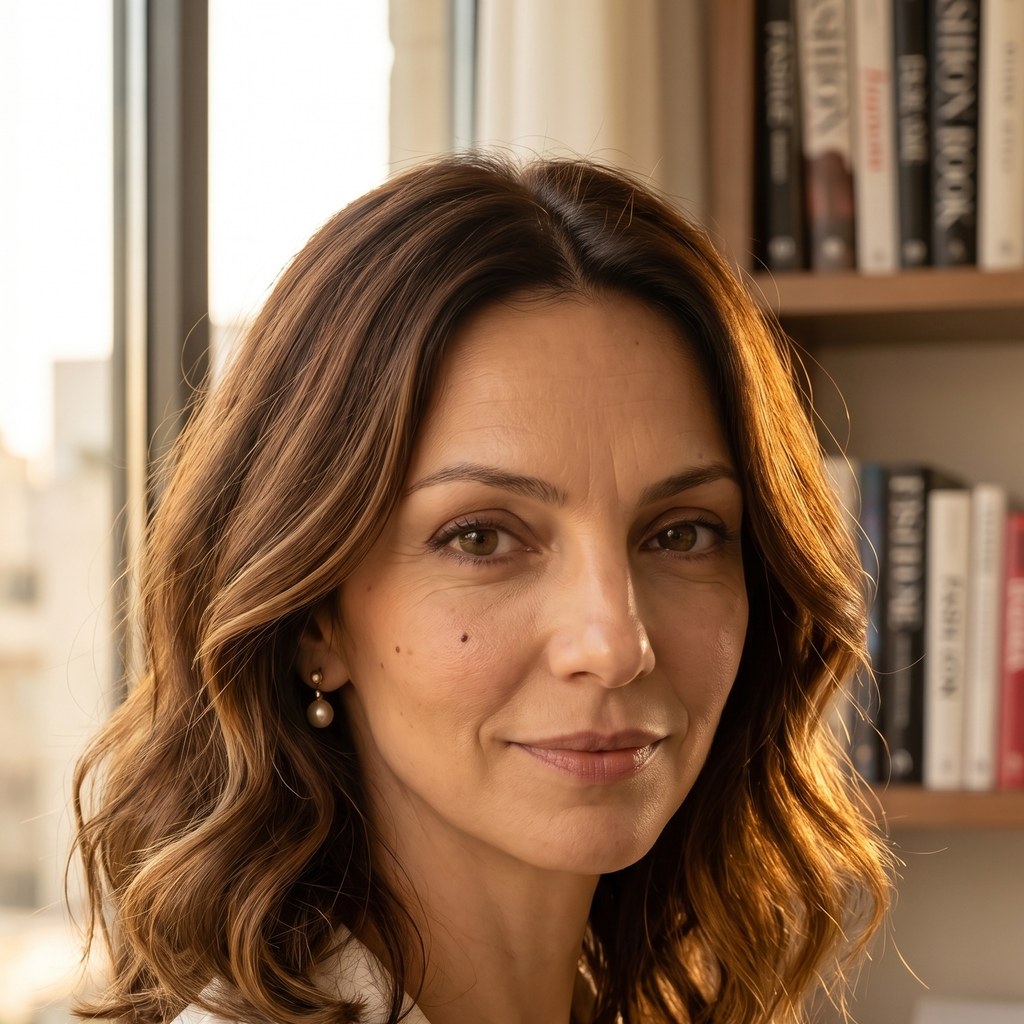
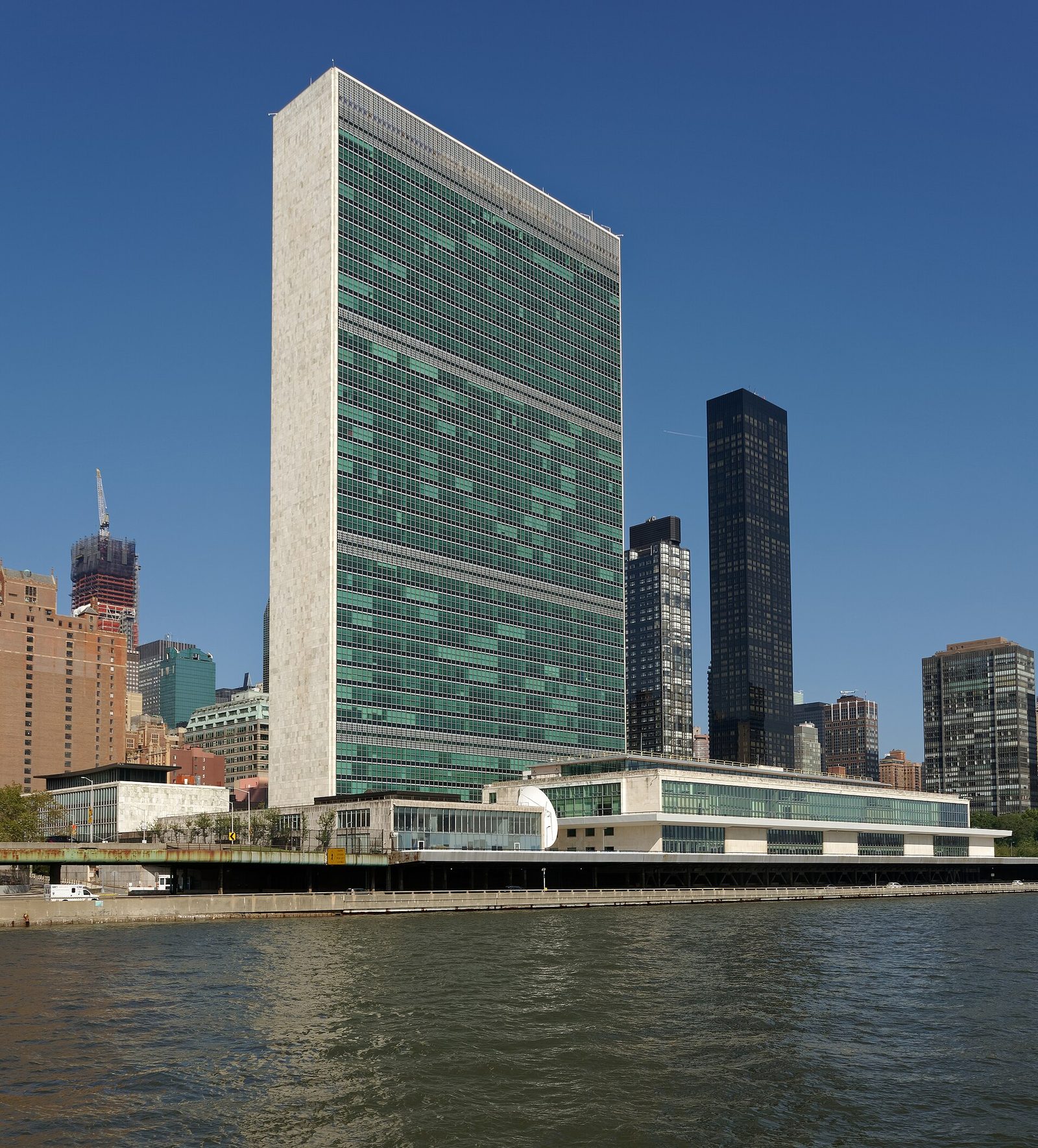
The announcement arrived quietly — no red carpet, no step-and-repeat, just a press release and a portrait of a young man looking appropriately earnest. Hamza Diab, twenty years old, Egyptian actor, face of several recent Arab drama productions including «Kamel Al-Adad» and «Tale' Nazel,» has been named a UNFPA Champion by the United Nations Population Fund in Egypt. His mandate runs two years and covers youth leadership, mental health awareness, and promoting what the agency calls positive masculinity. The spectacle here is modest by design. The deal behind it is considerably more interesting.
Diab earned his visibility the way a generation of Arab performers are now doing it — not through a single breakout film, but through the cumulative weight of streaming-era serialized drama. «Izma,» «50/50,» the ensemble of youth-facing productions where he has built a following among precisely the demographic UNFPA is trying to reach. The UN did not choose a household name from a previous generation; it chose someone whose audience is currently forming, whose face is not yet burdened by the complicated histories that come with seniority. That is a strategy, not an accident.
The UNFPA's «Influencer and Advocate Policy» — which formally governs these appointments — formalizes what brand strategists figured out years ago: a person with an engaged, loyal, younger following moves messaging in ways that institutional communications cannot. The United Nations is, among other things, a communications operation. Naming a rising Egyptian actor as champion is the organization acknowledging, in bureaucratic language, that the influencer economy now overlaps with humanitarian advocacy in ways worth formalizing.
My reading is that this appointment signals something specific about how international agencies are recalibrating their reach in the Arab world. The classic model — partner with a legend, hold a gala — still works for certain audiences and certain funding conversations. But youth programming, reproductive health education, mental health destigmatization: these require a different frequency entirely. They require someone your twenty-year-old cousin would actually watch.
There is a 1960s precedent worth noting. UNICEF's early use of celebrities as goodwill ambassadors — beginning in that era with figures chosen for maximum global name recognition — was largely about wealthy-world audiences donating to distant causes. The logic was: we bring the star, the star brings the camera, the camera brings the check. What UNFPA is doing with Diab runs in a different direction entirely. The audience they want to reach lives inside Egypt. This is an appointment pointed inward, not outward. The celebrity is a bridge to his own community, not a proxy for someone else's charity.
Which raises the more difficult question the editor's desk posed when this assignment landed: is this advocacy with genuine architecture, or is it aesthetics with a UN logo?
The honest answer, at two weeks in, is unknowable. The two-year mandate gives enough runway that the question will eventually be answerable — either Diab's association produces measurable shifts in how his audience engages with mental health conversations, or it produces a series of well-photographed moments and a final-report PDF. Both outcomes have historical precedent in celebrity-humanitarian partnerships. The structure of the arrangement, as reported, does not tell us which way this goes. That is on the person holding the platform.
What the appointment does reveal, regardless of outcome, is a shift in how status and responsibility are being calibrated for young Arab public figures. For an earlier generation, the peak of a career might coincide with regional recognition — a Gulf premiere, an Arab Screen Award. The UN appointment arrives now for Diab at twenty, before the career peak, as though to argue that platform and responsibility should be concurrent rather than sequential. That framing places a different kind of pressure on the performer. It says: your cultural capital is already worth something to institutions; spend it.
The parallel evolution worth watching — and this is where fashion culture and humanitarian culture intersect in ways that rarely get named — is that luxury brands have done this geometry for years. The brand does not wait for the star to become an icon; it co-produces the iconicity. UNFPA's appointment of Diab looks structurally similar. The institution is not leveraging established authority so much as co-signing a career in motion, betting on trajectory rather than arriving at a destination.
Whether Hamza Diab becomes the template for a new kind of Arab celebrity diplomacy, or whether this reads in two years as a footnote, depends on what happens between the appointments and the interviews — in the actual communities the mandate describes. Reproductive health conversations in Egypt carry specific social weight. Mental health destigmatization among young Arab men requires more than reach; it requires courage. The press release points to the platform. What happens on that platform is the story still being written.