Heavy accusations against Vakif Insaat in KIT Commission: Housing sales, not restoration
DEM Party deputy documented that the TOKI-Vakiflar partnership sold public land in Atasehir with a 90 percent profit margin.
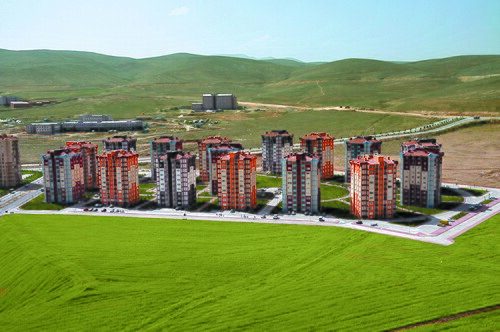
While reviewing the accounts of Vakif Insaat Restorasyon AS in the TBMM KIT Commission, DEM Party deputy Huseyin Olan sharply questioned the company's operational model. According to the minutes, Olan emphasized that the company, which had 17 employees as of the end of 2024, paid 3 million 987 thousand lira to its seven-member board of directors that year, compared to 840 thousand lira four years prior. Olan stated that he found no restoration architects or art historians in the board members' CVs; instead, positions were held by ministry special office assistant directors and press advisors.
Olan noted that the company's profit rose from 8.7 million lira in 2022 to 276 million lira in 2024—a 32-fold increase—and argued that this surge stemmed not from restoration work but from housing sales. According to Olan, the joint company of TOKI and the Directorate General of Foundations capitalized the public land in Atasehir at its old value; entered into a 50-50 profit-sharing agreement with a private contractor; and sold 41 units remaining to the company through open auction. The cost of 382 million lira in sales in 2024 appears to be 40 million lira. He also emphasized that Maltepe and Uskudar projects are next in line.
The restoration of Mekteb-i Tibbiye-i Sahane, the only major project spanning decades, began in 2016 and has been ongoing for ten years, with a third phase contract value of 660 million lira. In the 2024 year-end balance sheet, accumulated earned fees reached 1 billion 5 million lira; this figure exceeds 52 percent of the contract value and the work remains incomplete. According to Court of Accounts findings, the company carries out most of its work through subcontractors; it outsources work to private firms of its own choosing without being subject to public procurement regulations, then adds its own margin on top. The general director responded to criticisms by saying "we have to act like prudent merchants."
Sources — how we know this
- PrimaryCumhuriyet Gazetesi