Lithuania refuses to soften Belarus sanctions, foreign minister says
Kestutis Budrys says the EU's Belarus measures are likely to be renewed unchanged in February 2027, and that Minsk is 'absolutely complicit' in Russia's war on Ukraine.
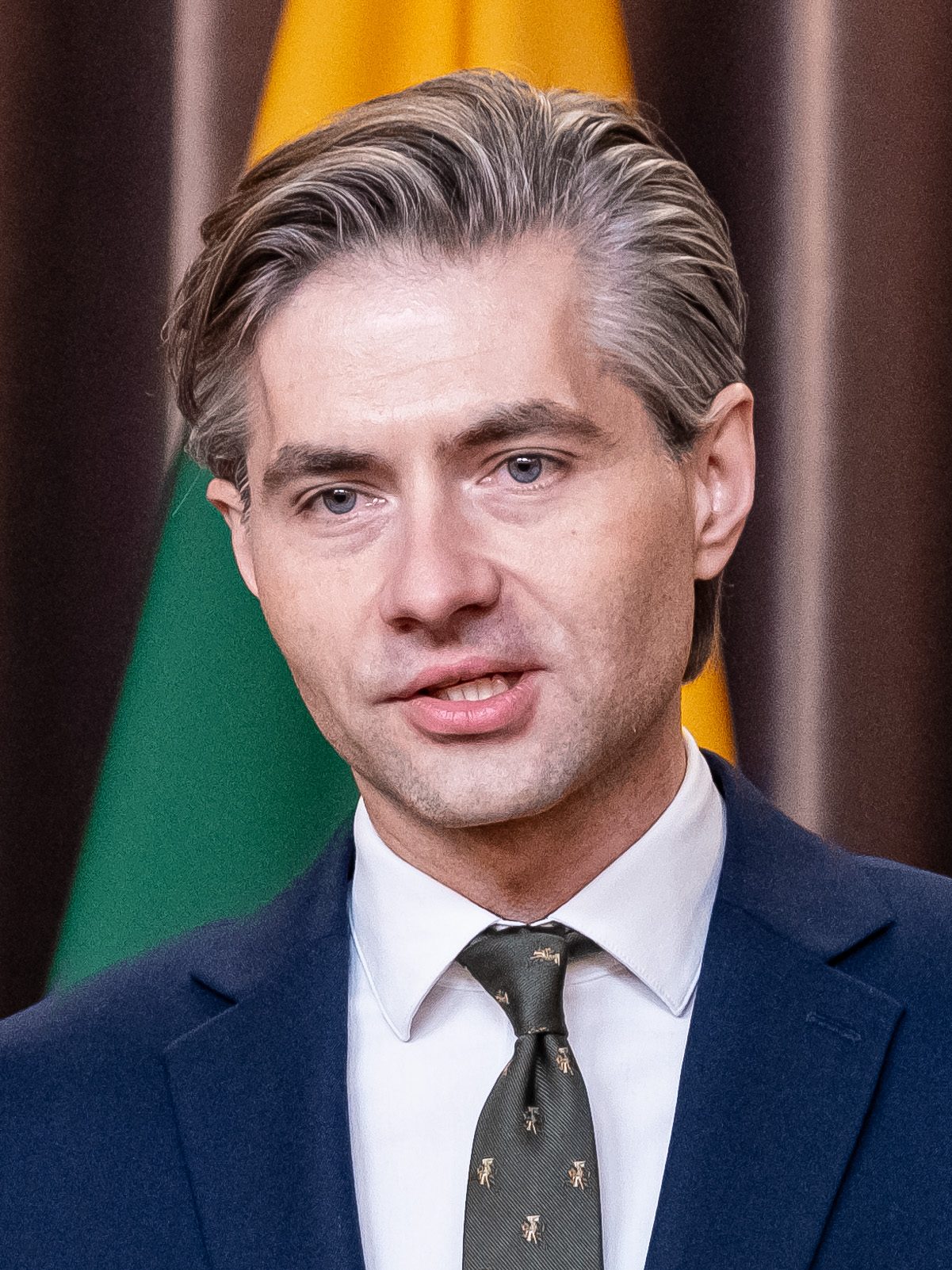
Lithuania will not ease pressure on Belarus, Foreign Minister Kestutis Budrys said, rejecting any softening of EU sanctions as Washington floats a reopening of Belarusian potash exports through the Lithuanian port of Klaipeda.
Speaking in Brussels on Nov. 16, Budrys said Belarus was "absolutely complicit" in Russia's war on Ukraine, which Moscow launched using Belarusian territory and airspace. He dismissed Minsk's own agency in the process: "Whether Belarus is somehow an actor here, I do not see them."
On Russia's military presence in Belarus, which opposition leader Sviatlana Tsikhanouskaya had hoped could be raised in peace talks, Budrys was relaxed, saying Russia keeps forces there "just for the sake of the future negotiations" and likening Belarus to a "bargaining chip."
EU sanctions against Belarus come up for renewal in February 2027 and are likely to be extended for another year without significant changes, Budrys predicted. He said he could not imagine any of the 27 member states arguing that Belarus's behaviour had changed in all the areas for which sanctions were invoked.
The United States has taken a different approach, with envoy John Coale leading efforts to reopen Lithuanian ports to Belarusian potash. Budrys said Washington had exerted "no pressure" on the EU to reconsider its position, and that the two sides had held discussions on Belarus without taking further steps.
Belarus was once a major global supplier of potash fertilizer. Its market share fell after EU and U.S. sanctions imposed over human rights violations committed in the aftermath of the 2020 nationwide post-election protests, and restrictions were tightened over Minsk's role in Russia's war. EU measures have blocked Belarus from its cheapest and most efficient export route, through Klaipeda.
Lithuania has ramped up inspections of grain transiting from Belarus and Russia via Klaipeda in recent weeks, which Reuters reported could delay exports "by months." Budrys said the checks establish the origin and purpose of the grain "so it is not stolen from the occupied territories of Ukraine." Asked whether Russia's grain trade should be on the EU agenda, he said: "it must."
In October, Lithuania was stripped of the right to host a world pentathlon tournament after not allowing Russian and Belarusian athletes to compete, and there was no joint European response. "It's not the first time," Budrys said, describing "a lack of political will" among some EU members who, he said, might "hide behind the procedures."
Sources — how we know this
- PrimaryThe Kyiv Independent