Merz and Klingbeil head into coalition showdown over electricity tax
Chancellor says the 2027 budget can absorb a 5.4 billion euro cut; the finance ministry says the relief must be permanently financed first.
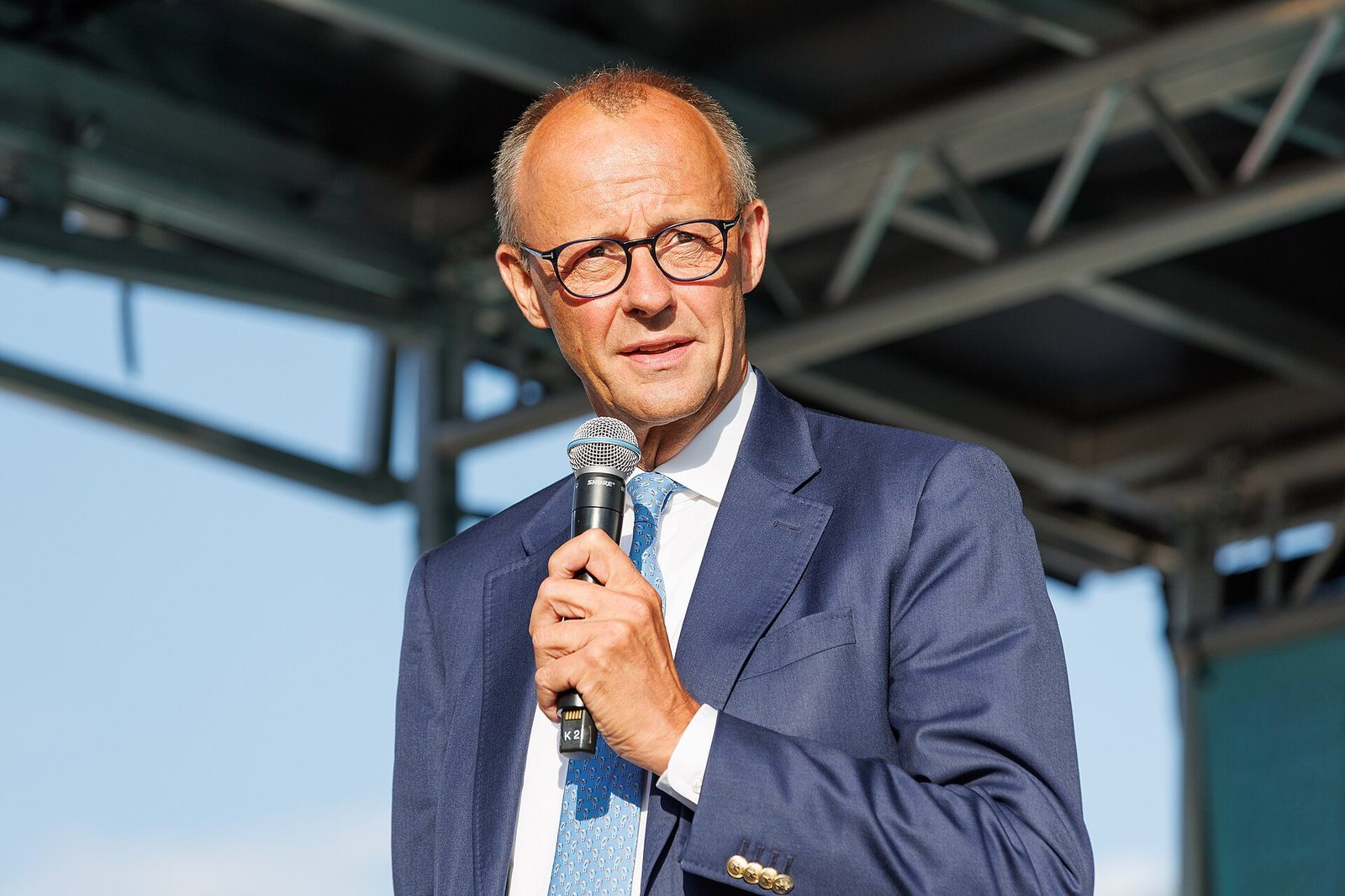
Germany's coalition committee meets on Tuesday evening with the CDU/CSU and the SPD are still divided over whether to cut the electricity tax, after Chancellor Friedrich Merz and Finance Minister Lars Klingbeil gave conflicting signals within hours of each other.
Merz said on Monday that he had spoken to Klingbeil at the weekend and that the budget could accommodate the cut. The finance ministry responded that a solution was wanted, but that the relief must be "seriös und dauerhaft gegenfinanziert" — credibly and permanently financed — and that talks would continue.
The measure would relieve an average private household by 7.50 euros a month. It would open a 5.4 billion euro hole in Klingbeil's 2027 budget, and the dispute has returned to the question that stalled budget talks last week: how to pay for it.
Several options are on the table. One would delay the cut to 1 July 2027, halving the cost next year; Merz has said the tax will be cut "für das Jahr 2027 vollständig", which takes a mid-year start off the table. Another would limit the cut to one year, an idea the SPD rejects on the grounds that relief, once granted, is rarely withdrawn.
The CDU has proposed using money freed up in the renewable energy levy account, where support came in four billion euros below plan this year because higher wind and solar revenues reduced the federal top-up. The SPD is sceptical, warning that taxes would then be cut on the basis of a shaky forecast, and notes the funds cannot be carried over into the next year. The Social Democrats have also refused to draw on a general reserve of just under four billion euros.
A working group of the coalition parties identified around three billion euros in subsidies that could be scrapped, but coalition leaders rejected most of the proposals in the summer. The CDU's economic council wants climate investment in buildings and electric mobility pre-financed through the European Investment Bank and repaid from revenue from the EU emissions trading system for buildings and transport.
Two further ideas cut across the coalition's own promises. Delaying the planned Mütterrente increase to 2028 would save around five billion euros, but the pension top-up is a CSU project and the law has already passed. The SPD, for its part, has floated raising capital gains tax from 25% to, for example, 30%, which it says would bring in 3.9 billion to 4.8 billion euros a year.
Sources — how we know this
- PrimaryHandelsblatt
Energy Portfolio
Check your broker for the latest on energy stocks.
View Now →