Rainforest fund TFFF has $7.9 billion of $10 billion target as Norway sets condition
Eight states have pledged to the Tropical Forest Forever Facility, but Germany's roughly €1 billion still needs parliamentary approval.
ℹ️ Browser-based reading · AI studio voice coming soon
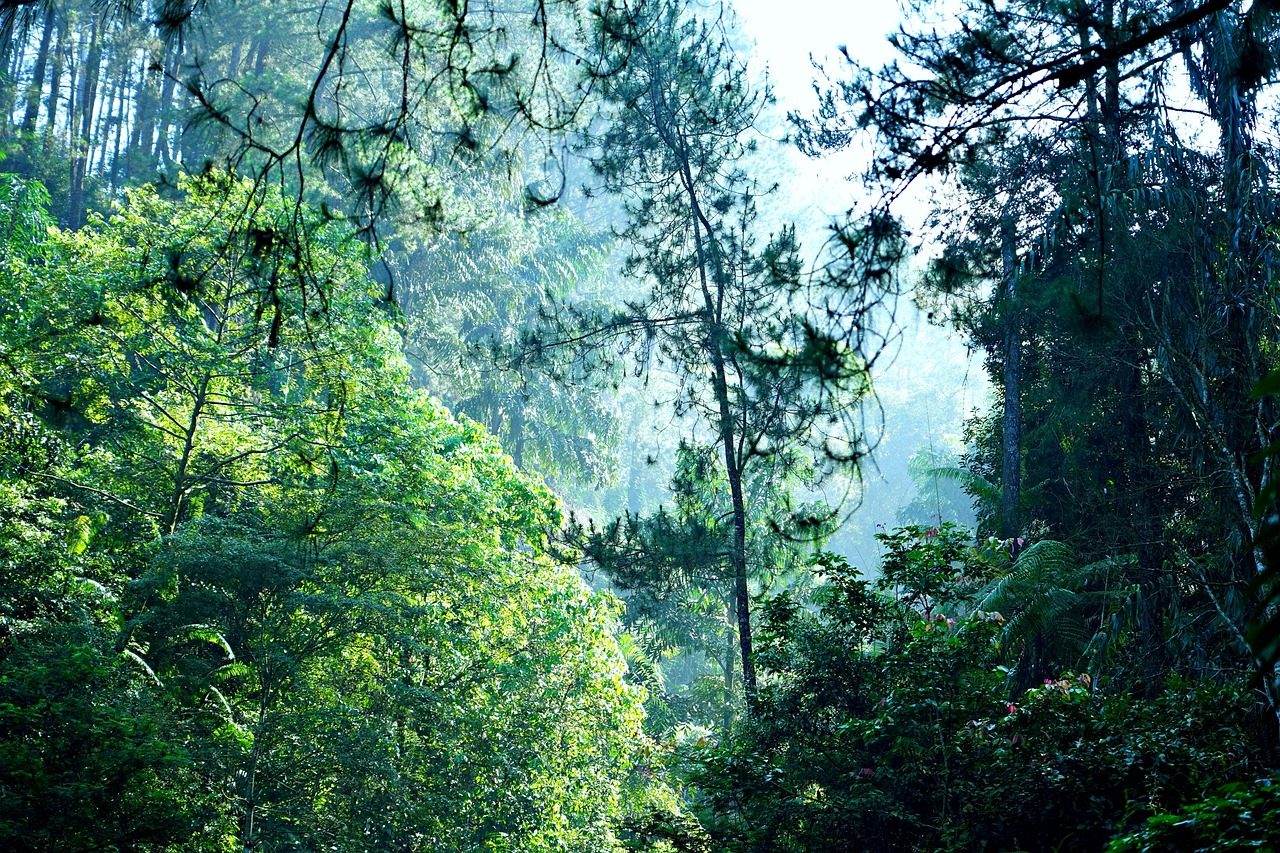
Eight states have pledged about $7.9 billion to the Tropical Forest Forever Facility, short of the $10 billion in state capital the rainforest fund needs by the end of 2026 to begin paying tropical countries from 2027. Sponsors include Brazil, Indonesia, France, Britain, the Netherlands and Luxembourg.
Norway has promised the largest single contribution, $3 billion, but its government will only release the money if the agreed total is in place by year-end. Germany has announced roughly €1 billion from 2027, paid over ten years, and that pledge still has to be approved by parliament.
The fund was created at COP30 in Belém, Brazil. Its design pays countries for keeping rainforest standing rather than clearing it for minerals or farmland. Around 2.7% of the fund's returns are to go to tropical forest countries, at $4 per hectare of forest preserved each year, with at least 20% of that money passed on to indigenous peoples and local communities.
Capital is to come from states, usually in the form of low-interest loans, and from bonds sold to banks and investment firms, raising around $40 billion initially. The longer-term plan foresees $25 billion from state donors and $100 billion from private ones. Bondholders can expect roughly 5% a year, said Felix Finkbeiner, founder of Plant-for-the-Planet, who argues that state money cushions market losses: "The capital of private investors is very well protected."
Forest area and condition are tracked by satellite, and premiums are paid only for intact ecosystems, not for timber plantations. Payments can be frozen for years if a state does not spend the money on forest protection. Once paid in, capital stays in the fund for 40 years before repayment, which Finkbeiner says makes it resistant to donor governments changing their minds.
TFFF Watch, a monitoring portal set up by Finkbeiner's organisation, calculates that the Democratic Republic of Congo would receive just over $333 million on the basis of its 2024 forest stock.
The backdrop is continued loss. More than 8 million hectares of forest went in 2024, an area 30 times the size of Luxembourg, and nearly 490 million hectares have been lost since 1990, an area 13 times the size of Germany. In Brazil, deforestation fell 41% between August 2024 and August 2025, though companies pulling out of a forest protection moratorium could push it back up. More than 140 countries pledged at the 2021 UN climate conference in Glasgow to halt global deforestation by 2030.
Sources — how we know this
- PrimaryDeutsche Welle (DE)