Biochar produced from Siirt pistachio shells increased root development in wheat by 50 percent
A thesis completed in 2023 at Siirt University showed that pistachio shells pyrolyzed at 500 degrees reduced nitrate leaching; the results will be presented at COP31 on 19 November.
ℹ️ Browser-based reading · AI studio voice coming soon
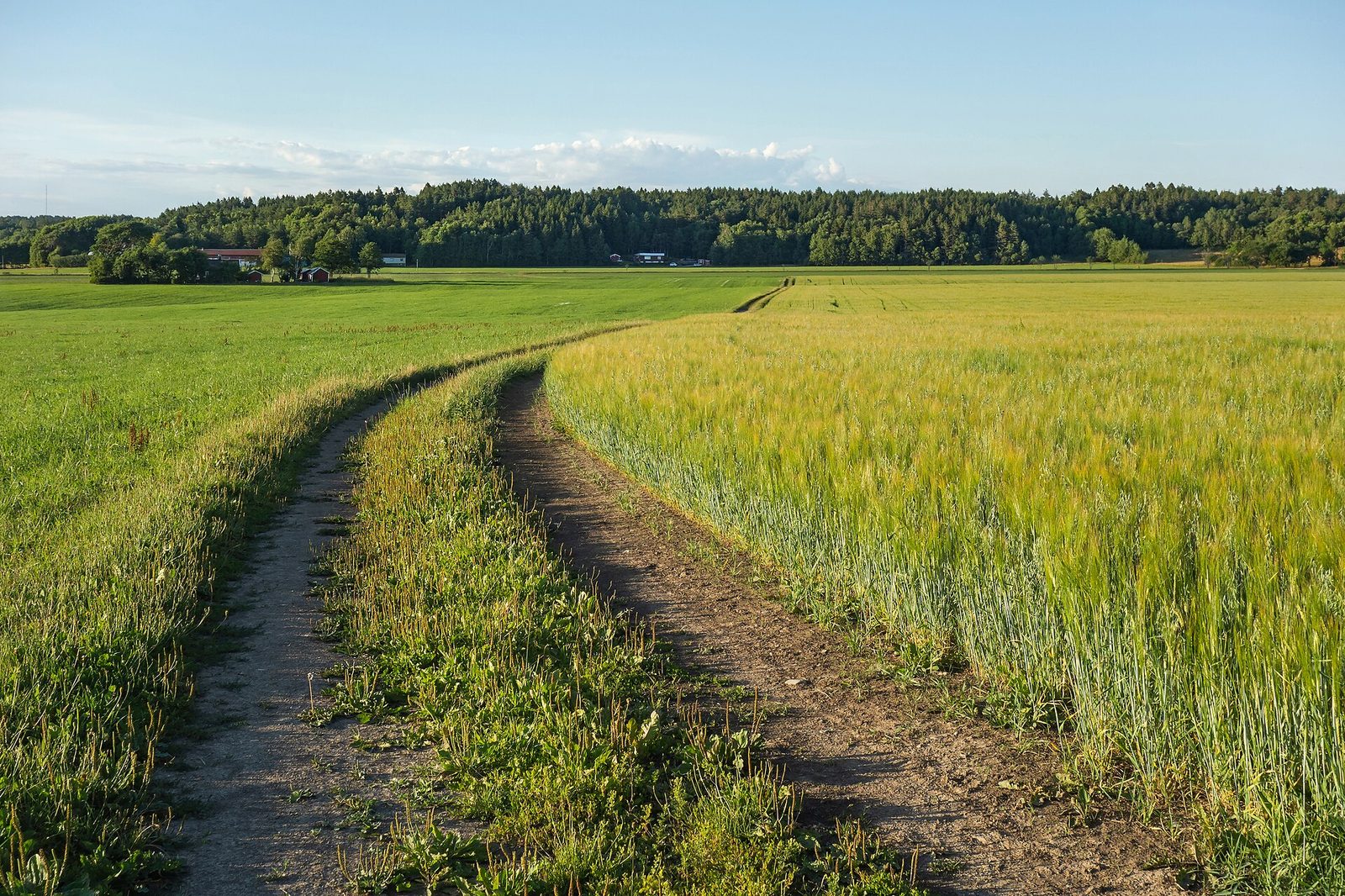
A thesis study carried out at the Faculty of Agriculture of Siirt University revealed that biochar obtained from the hard and green shells of Siirt pistachios increased root development in the wheat plant by up to 50 percent. The research was completed in 2023 within the scope of the thesis of master's student Kübra Polat, under the supervision of Prof. Dr. Mesut Budak of the Department of Soil Science and Plant Nutrition and Assoc. Prof. Dr. Harun Bektaş of the Department of Agricultural Biotechnology.
In the study, the hard and green shells of the pistachio were processed in a muffle furnace at approximately 500 degrees Celsius by the slow pyrolysis method and converted into biochar. The resulting material was passed through a 2-millimeter sieve and then applied at different doses in 2-kilogram pot trials. The results showed that the biochar increased the root development of wheat by up to 50 percent and significantly reduced nitrate leaching in the soil.
Prof. Dr. Budak said that approximately 30 thousand tons of pistachios are obtained from more than 12 million trees in the city, and that during this harvest an approximately equivalent amount of waste is generated. Budak said that, acting with the understanding of "how can we use this waste in agriculture, how can we put it to use," they took empty and green pistachio shells, especially from the orchards in Siirt, in order to turn this into an economic cycle. He stated that in the thesis study they evaluated together the goal of zero waste, reducing carbon emissions and increasing soil fertility.
Budak explained that when waste is left carelessly in nature it decomposes, or when it is burned the carbon is released into the atmosphere, whereas when it is converted into stable carbon it can be preserved in the soil for a long time. Budak said that "soil is regarded as an important carbon pool" and that the more carbon can be stored as a carbon pool in the soil, the more the effect of global warming is reduced.
Assoc. Prof. Dr. Bektaş reported that the study was accepted by the relevant commission because it was found to be in line with the goal and mission of the COP, and that they will make their presentations on the subject on 19 November. Drawing attention to the role of root development in preventing yield losses of close to 100 percent during drought periods, Bektaş said that when they try to increase the root development of a plant, studies continue for 10 years, 20 years, sometimes 30 years, and that "we can only increase the root by 10 percent, 15 percent, 20 percent." Bektaş said that biochar has costs, but that its contribution in terms of plant development and preparedness for the climate is far greater.
The results of the study will be presented to participants at the United Nations Framework Convention on Climate Change Conference of the Parties held in Antalya.
Sources — how we know this
2 independent sources corroborated this
- PrimaryHürriyet
- CorroboratingAnadolu Ajansı (TR)