The Strait, the Gripens, and the Quiet Map Being Redrawn This Week
Three negotiations on three continents are converging on the same question: who underwrites security when the old guarantor is distracted.

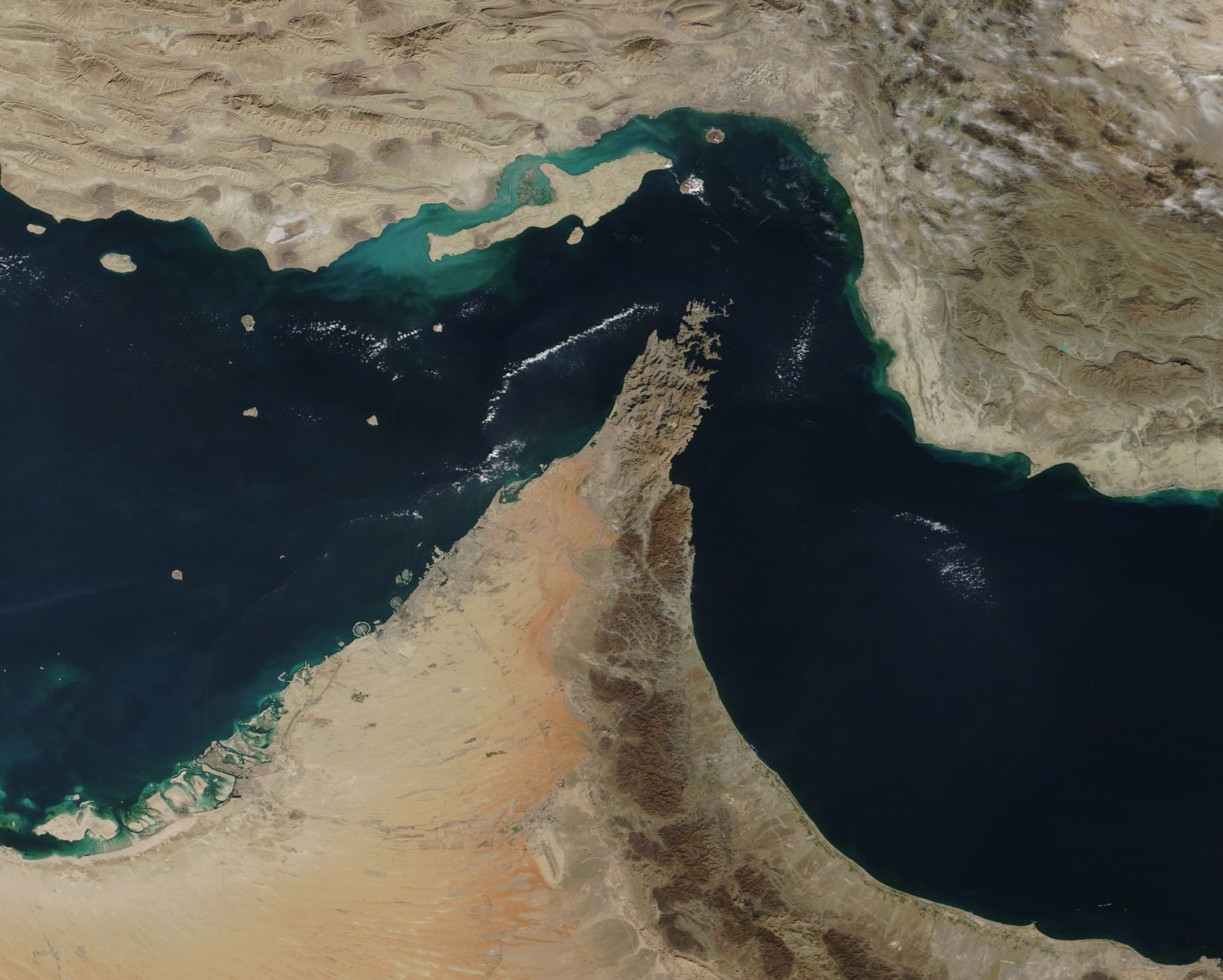
The wire that will get the most attention today is the one out of Washington and Tehran: American and Iranian negotiators have reportedly agreed to resume nuclear talks and to allow shipping through the Strait of Hormuz, pending the US president's sign-off. Read on its own, it is a familiar dance — leaks, conditional language, a deal that is a deal only if one man wakes up willing to call it one.
But read it alongside two other items from the same forty-eight hours and a pattern shows itself. In Stockholm, Volodymyr Zelenskyy landed to discuss a defence package and, by his own admission, the possible delivery of Swedish Gripen fighters to Ukraine. In Ankara, Recep Tayyip Erdoğan was on the phone with Abdelmadjid Tebboune in Algiers, reviewing trade, energy and defence cooperation. Three capitals, three conversations, one spine: middle powers are quietly writing their own security arrangements while the headline negotiation in Washington consumes the oxygen.
The backstage conversation the wires are not carrying is about substitution. Sweden is not a traditional arms exporter to a country at war; for Stockholm to be discussing Gripens for Kyiv is for a small northern state to step into a role American allies once assumed Washington would fill indefinitely. Turkey and Algeria talking energy and defence in the same breath is the language of two states hedging against the day the Hormuz arrangement, or any arrangement built on US enforcement, becomes negotiable. And the Iran file itself, if it lands, lands because every party around it — Gulf shippers, European refiners, Asian buyers — has spent two years quietly preparing for a world in which the Strait is a variable, not a constant.
The pattern, then, is not escalation. It is the opposite. It is the methodical construction of fallbacks. Each of these capitals is building a Plan B for a security order that used to be a Plan A you did not need to think about.
For the reader, this is where it touches the week. A genuine Hormuz understanding, even a partial one, would take some of the war premium out of the freight and insurance lines that sit underneath everything you buy that crossed a sea — fuel at the pump first, then, with a lag of months, the imported goods on the shelf and the cost of the inventory your business is financing. It would also, paradoxically, soften the dollar's safety bid, which matters to anyone holding savings in a pegged currency and watching the cost of a euro holiday or a Turkish supplier invoice. The Gripen conversation matters in a slower way: European defence procurement is becoming a multi-year fiscal commitment, which is one of the reasons your mortgage rate is not falling as fast as the inflation prints suggest it should. Governments that are borrowing to rearm are competing with you for the same money.
The protective reading is calm. The deal is not signed. The jets are not delivered. The Algerian-Turkish file is a phone call, not a treaty. But the direction of travel is now legible enough to plan against.
Three questions worth asking this week. Ask your accountant what a six-month easing in freight and energy premia would mean for the cash-flow assumptions in your budget, and what a reversal would mean. Ask, if you run a business with European exposure, whether your suppliers' own input costs are about to be reshaped by defence-driven government borrowing. And ask, in your own household, whether plans made last year on the assumption of a stable Gulf shipping lane still need that assumption — or whether they were always going to survive without it.
Energy Portfolio
Check your broker for the latest on energy stocks.
View Now →