Third U.S. carrier reaches Gulf as Iran threatens Hormuz shipping
USS Theodore Roosevelt joins the George H.W. Bush and George Washington as the Revolutionary Guards Navy calls the southern Hormuz route 'a minefield of fire'.
ℹ️ Browser-based reading · AI studio voice coming soon
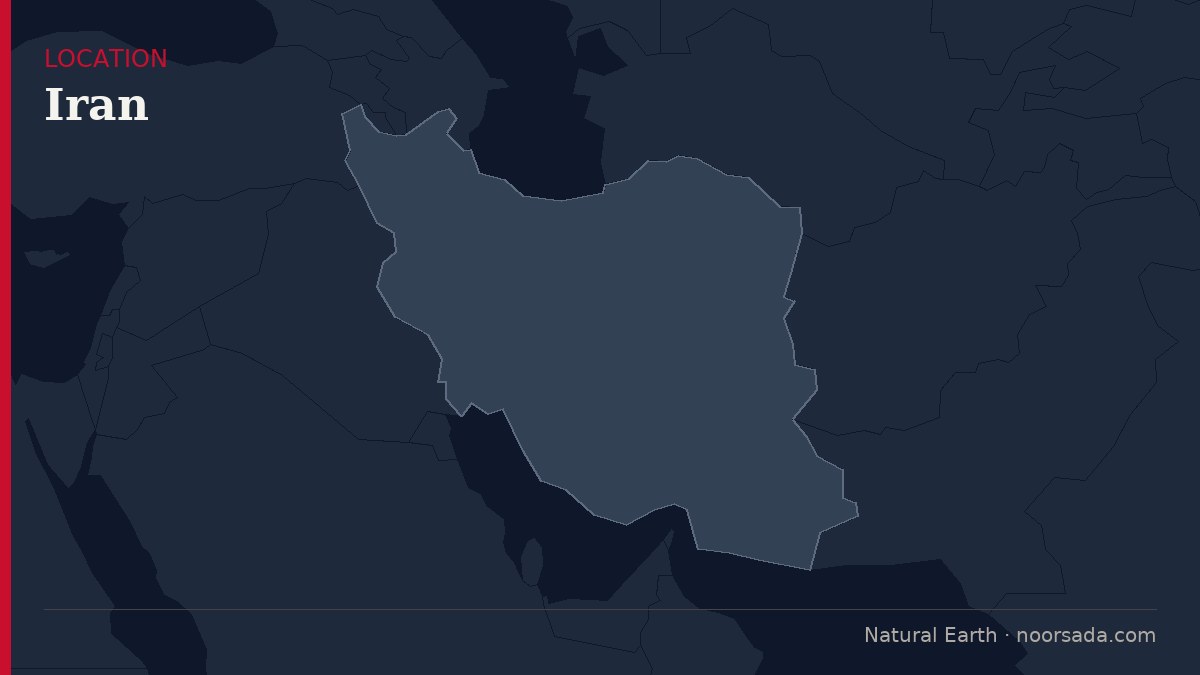
A third American aircraft carrier arrived in the Gulf region on Sunday, adding to U.S. firepower near Iran as Tehran ratcheted up threats against American forces and commercial shipping in the nine-month conflict.
The USS Theodore Roosevelt joined the USS George H.W. Bush and the USS George Washington. Iran's Revolutionary Guards Navy warned shipping companies against using the U.S.-backed southern route through the Strait of Hormuz, describing it as fully closed and a "minefield of fire," in a statement cited by regional media outlets. Brig. Gen. Mohammad Akrami-Nia, a spokesperson for the Iranian Army, said the Strait of Hormuz would not reopen until "the enemy accepts Iran's conditions."
New U.S. intelligence indicated Iran was developing plans that could target senior Trump administration officials with a so-called dirty bomb, or a chemical weapon, in Washington, D.C., a report that could not be immediately verified. The intelligence was characterized as an effort by Iran to develop options rather than evidence of an imminent attack, and U.S. officials have held several meetings over the past week to consider how to respond.
Iranian threats prompted Treasury Secretary Scott Bessent to relocate to military housing last week. "There are no credible threats to the homeland," a White House spokesperson said.
At sea, the U.K. Maritime Trade Operations said a tanker was struck by an unidentified projectile in the Strait of Hormuz and subsequently caught fire; the agency did not say who was responsible. The Iranian navy said four oil tankers had struck mines and caught fire in the eastern Strait of Hormuz over the previous 24 hours.
Tehran said Sunday it launched six drones at a U.S. air-defense radar at Bahrain's Riffa air base, the second attack Iran claimed against the kingdom in three days. Bahrain's military said it intercepted and destroyed several Iranian aerial attacks. Secretary of State Marco Rubio condemned the attacks in a call Monday with Bahraini Foreign Minister Abdullatif bin Rashid Al Zayani and reaffirmed Washington's commitment to the security of Bahrain and other Gulf partners.
Brent crude futures dropped 0.7% to $91.8 a barrel and U.S. West Texas Intermediate futures fell 0.7% to $85.1 a barrel in Asian trading Tuesday.
After meeting Qatari Prime Minister Sheikh Mohammed bin Abdulrahman Al Thani last week, President Donald Trump said the war could end "fairly soon," adding that it "militarily is effectively over." The conflict began in late February when the U.S. and Israel attacked Iran, prompting Tehran to retaliate with strikes on Israel and Gulf states hosting American military bases. Indirect talks through Qatar have appeared to run into a stalemate, with Washington unwilling to accept Iran's demands to lift the U.S. naval blockade on its southern ports and lift sanctions, while stressing that Iran cannot possess a nuclear weapon.
Ian Bremmer, president and founder of Eurasia Group, said Iran is likely to keep escalating attacks on tankers and container ships to pressure Washington into concessions, and that the view that "eventually Iran can't handle the economic pressure and will accept better terms" is a "misread of the Iranian leadership and their capacity to resist."
Sources — how we know this
2 independent sources corroborated this
- PrimaryCNBC Top News
- CorroboratingTASS English
Energy Portfolio
Check your broker for the latest on energy stocks.
View Now →