Thyssenkrupp Steel seeks 'dynamic pause' in EU carbon market before 2030 cost jump
Duisburg group's chief says the EU emissions trading system must be cost-capped as it converts a quarter of capacity to green steel
ℹ️ Browser-based reading · AI studio voice coming soon
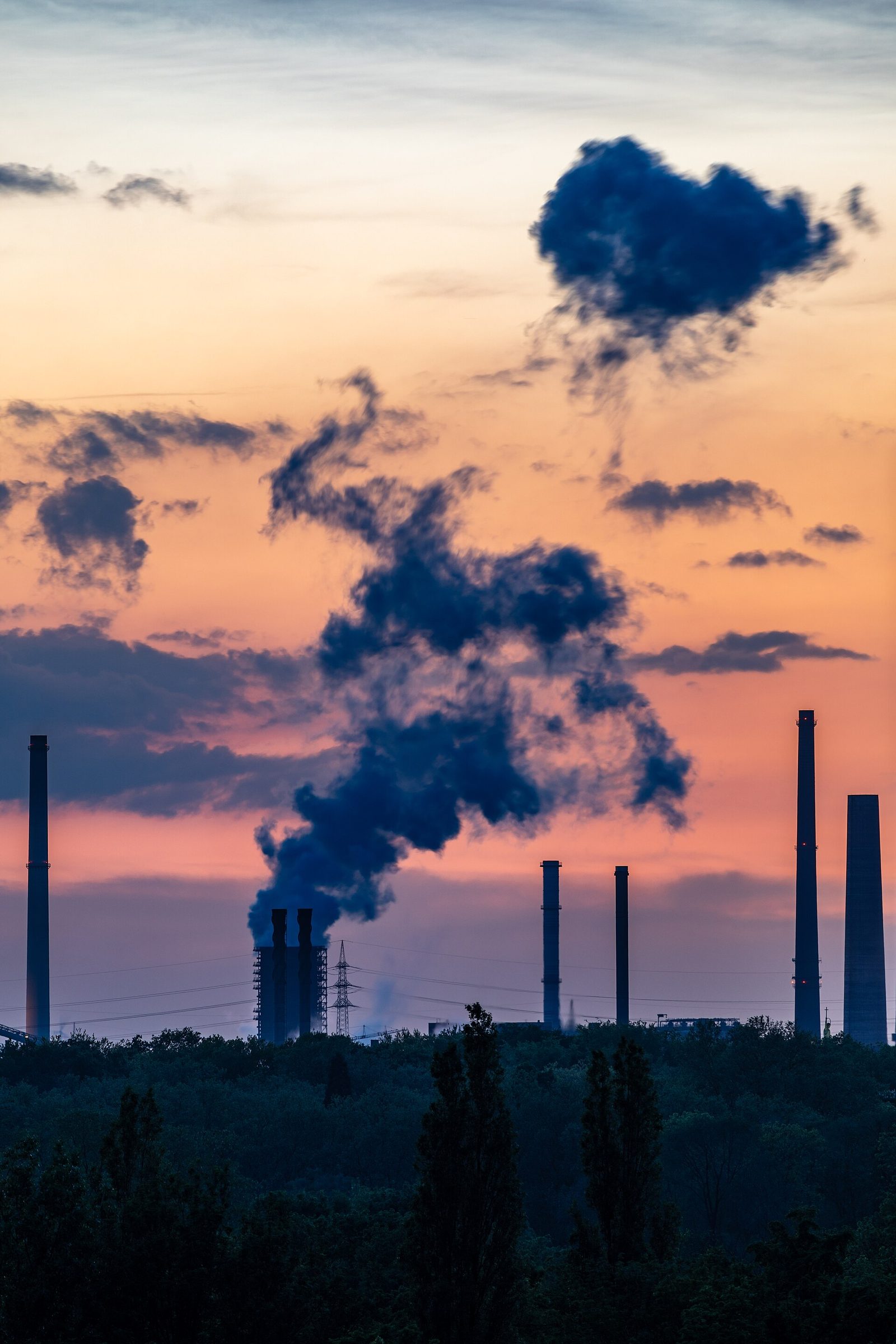
Thyssenkrupp Steel wants the EU emissions trading system reformed with a cost cap before 2030, its chief executive said ahead of a steel summit in Salzgitter next week where steelmakers and politicians are due to meet.
Thyssenkrupp Steel's chief executive said the cost of European steel production could rise by 50 percent by 2030 under the current regime, through higher allowance prices and fewer free certificates than the company receives today. "We need less CO2, not less industry," she said, arguing that climate protection gains nothing if industrial production is pushed out of Europe.
The company is building what it describes as Germany's largest direct reduction plant in Duisburg for 3 billion euros, using natural gas and later climate-neutral hydrogen instead of coal. In a first step it will convert about a quarter of its capacity to green steel production. Three quarters of its plants will keep making conventional steel in the medium term, which is why it wants CO2 costs under control.
Without a cost-limiting reform of the EU ETS, 30 to 40 percent of steel-intensive production in Europe is at risk of being lost, she said, adding that the squeeze extends to other key sectors. Steelworks account for almost a third of Germany's industrial CO2 emissions. Thyssenkrupp Steel sticks to a target of climate neutrality by 2045.
Competitors including Saarstahl argue that slowing the carbon market would penalise mills that have already invested in low-carbon production. She said she understands those positions and that Thyssenkrupp counts among the first movers.
The first direct reduction plant in Duisburg, supplied by North Rhine-Westphalia plant builder SMS, was originally due in 2027 and is now expected in 2029. She said the project remains within budget and that the investment decision was taken in 2022. Each plant takes about five years to build. Only two plant builders in Europe can deliver them, and green hydrogen has become less available than assumed a few years ago.
Hydrogen-based green steel is not yet on the market. Studies estimate a car, typically about one tonne of steel, would cost a low three-digit sum more. She said the EU Commission's proposal to count green steel use toward carmakers' fleet limits would be a direct impulse and should be backed by the German government. She named BYD, Chery, Leapmotor and SAIC as interesting potential customers as Chinese manufacturers start building cars in Europe.
Sources — how we know this
- PrimaryFrankfurter Allgemeine