Up to 12,000 North Koreans at Russian drone plant face trafficking, CSIS report says
A joint CSIS and Bush Institute report finds North Korea retains up to 90% of workers' wages while Russia receives more than 5,500 drones a month from the Yelabuga facility — in defiance of a UN Security Council resolution.
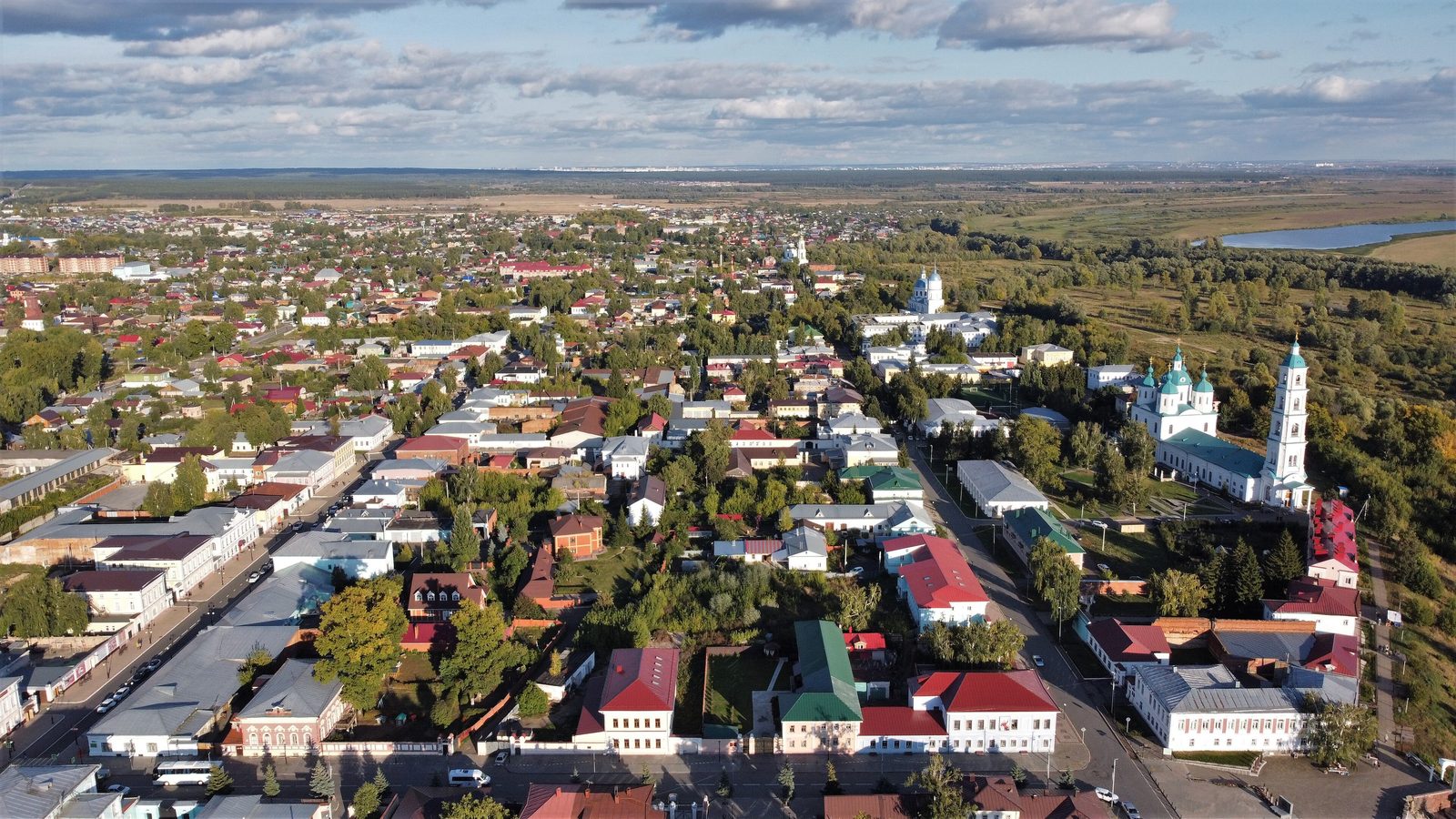
As many as 12,000 North Koreans working at a Russian drone factory in Yelabuga, Tatarstan, are victims of "gross human rights abuses and human trafficking," according to a report published on October 14 by the Washington-based Center for Strategic and International Studies (CSIS) and the Dallas-based George W. Bush Institute.
The report details how Russia, North Korea, China and Iran each benefit from the arrangement. Moscow receives more than 5,500 drones a month for its war against Ukraine. China, as the main supplier of dual-use components — including batteries, internal electronics, engines and navigation systems — benefits commercially from the arrangement. Iran supplied Russia with Shahed drones, which helped Moscow produce upgraded domestic variants known as Geran. North Korea, meanwhile, earns hard currency by retaining as much as 90% of the wages paid to the labourers it sends to the plant.
The report also finds that Russia and North Korea are defying UN Security Council Resolution 2397, adopted in December 2017, which requires any UN member state to send North Korean workers home within two years.
According to the report, "The North Korean regime is selling the labor of its citizens" under a state-to-state arrangement, controlling whether they may leave and collecting most of their wages. The report calls the arrangement "the definition of forced labor."
Song Young-Chae, a Seoul-based academic and human rights activist with the Worldwide Coalition to Stop Genocide in North Korea, said Pyongyang is "effectively conducting slavery of its own people and for its own profit." He told DW the situation extends beyond Yelabuga, noting that there are construction workers in the occupied Ukrainian territories, North Koreans in lumber camps and tens of thousands of soldiers "have been sent to fight — and die — on the front lines in Ukraine."
Song noted that Russia and China, both permanent members of the UN Security Council, are ignoring its resolutions on the issue, leaving few avenues for intervention. His organisation is working to build a "coalition of like-minded nations and agencies" to protect the labourers, though he admitted to being "pessimistic."
Dan Pinkston, a professor of international relations at the Seoul campus of Troy University, told DW that "The geographical locations of these four countries" make international interdiction impossible.
Sources — how we know this
- PrimaryDeutsche Welle (EN)