Yemen's government activates emergency plans for airports and border crossings
Transport Minister Mohsen al-Umari called for increased readiness at airports and land border crossings; IOM reported that the number of displaced people in the country has exceeded 347,000.
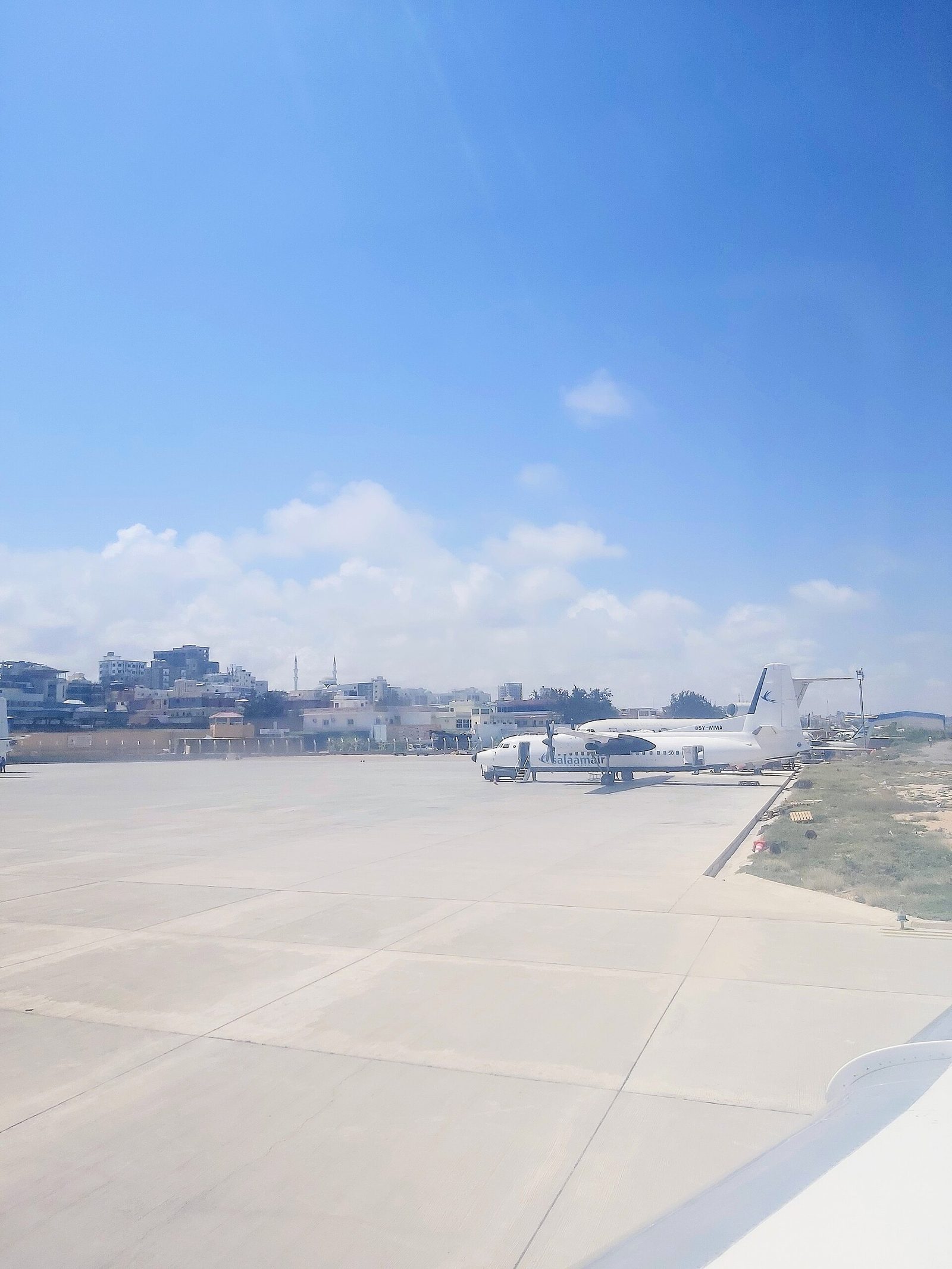
Yemen's Transport Minister Mohsen al-Umari has instructed that readiness levels be raised at airports and land border crossings and that emergency plans be activated, following military developments in the country. At a meeting with the Civil Aviation and Meteorology Authority, the Land Transport Regulatory Authority and airport and border crossing directors, al-Umari reviewed the emergency plans and readiness level of institutions affiliated with the ministry.
According to Asharq Al-Awsat, the minister said current conditions require more coordination and preparation, and drew attention to the strategic importance of the Bab al-Mandab Strait for global maritime trade. Saying that the consequences of any threat to international shipping lanes would extend far beyond Yemen and affect global trade, al-Umari stated that maritime security is a shared responsibility and requires close coordination with the Yemeni government and Saudi Arabia. The minister also said that Yemen has "no future" under Houthi rule.
The humanitarian picture is worsening. The International Organization for Migration (IOM) reported that the number of displaced people in the country has exceeded 347,000, more than 14,000 of whom were displaced in the last three days of the reporting period. The organization documented the displacement of 18,780 people, corresponding to 3,130 families, between 8 and 14 November.
The largest share of the displaced is in Taiz: 143,130 people, or 41 percent of the records. Taiz is followed by Lahij with 91,314 people (26 percent) and Aden with 70,404 people (20 percent). Displaced populations were also recorded in Abyan, Hodeidah, Shabwa, Marib, Hadramawt, Mahra and Al Dhale.
The UN Office for the Coordination of Humanitarian Affairs (OCHA) announced that humanitarian organizations have delivered emergency assistance to more than 270,000 displaced people, equivalent to about two-thirds of the total displaced population. More than 202,000 people received emergency cash assistance; health programs reached more than 103,000 displaced people. In a measles and rubella vaccination campaign launched on 7 November, more than 600,000 children were vaccinated.
The UN Human Rights Office announced that more than 300 civilians have been killed or injured since the beginning of August, with more than 70 of those deaths confirmed by the organization. According to the office, children make up more than a third of all victims and about half of those killed. The office warned that the true toll is likely to be much higher, since it publishes only independently verified cases.
Sources — how we know this
- PrimaryAsharq Al-Awsat (EN)