Sybiha calls on UN to prioritize restoration of Ukraine's energy sector
Zelensky called the multi-day outages in Bila Tserkva and Brovary "absolutely unacceptable" and demanded a rapid response from local services
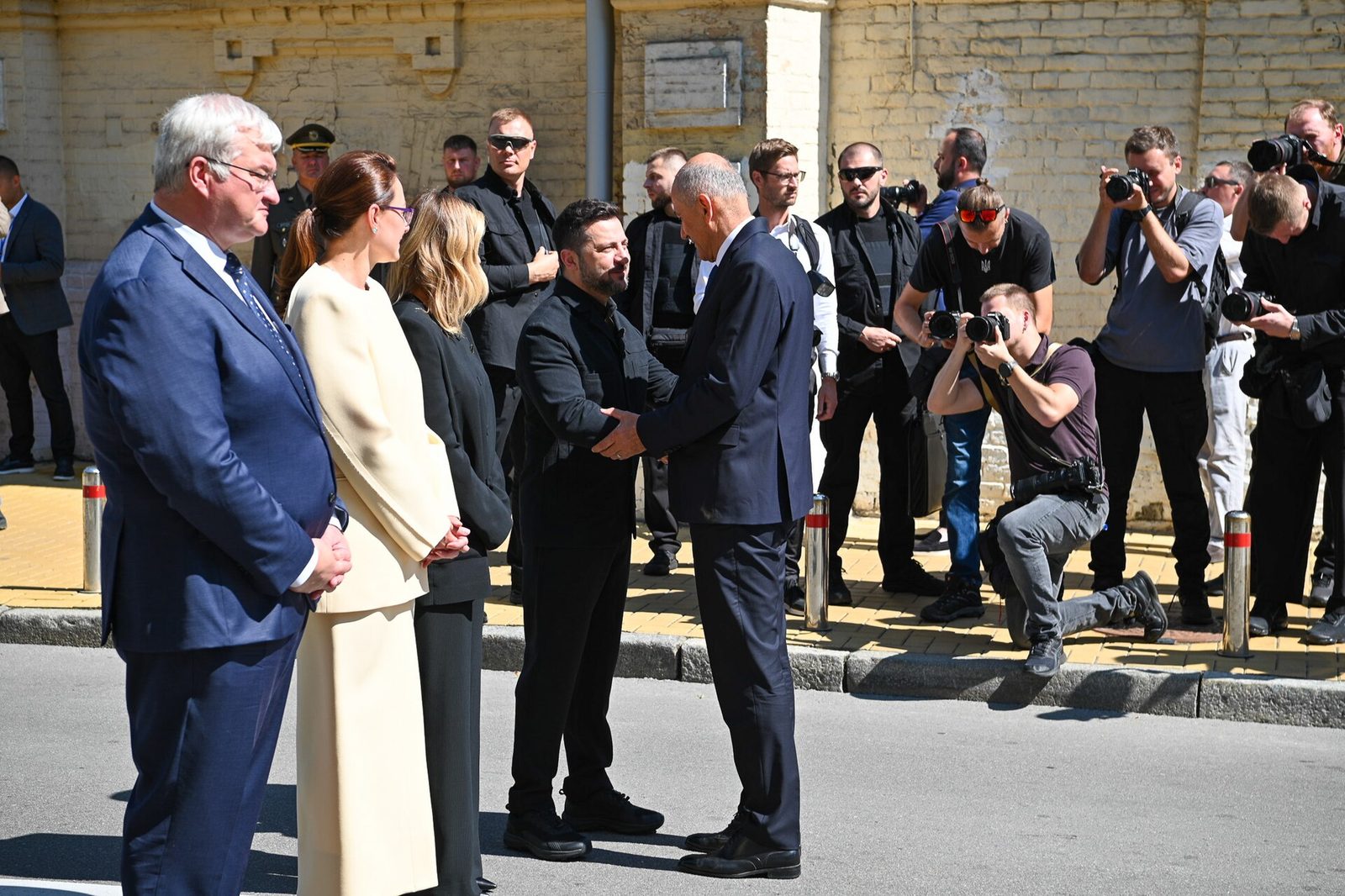
Ukraine's Foreign Minister Andriy Sybiha called on UN agencies to make the restoration of the country's energy and heating infrastructure a priority of their humanitarian programs. He said this on Friday, November 13, at a meeting with UN Emergency Relief Coordinator Tom Fletcher, to whom he described the situation in Ukraine, including strikes on civilian sites and Kyiv's peace efforts.
"As winter approaches, [Russian President Vladimir] Putin is trying to deprive millions of households of electricity, heating and water," Sybiha wrote in a statement on X.
According to a UN report published on October 19, Russia's attacks on Ukraine's power system demonstrate an intent to deprive the civilian population of basic necessities and may qualify as crimes against humanity. The same report notes that such attacks have been carried out since 2022 — including in the winter of 2024-25, when strikes on heating facilities cut off heating at sub-zero temperatures — and that they have "intensified."
The appeal came amid criticism from President Volodymyr Zelensky of local authorities over prolonged outages in the Kyiv region. In his evening address, he reported a "tough conversation" with government officials, singling out Bila Tserkva — the largest city in the Kyiv region — and Brovary east of the capital, where residents were left without electricity "not for hours, but for several days." According to the president, local reports painted a different picture from the one residents faced. "Problems need to be solved, not hidden," he said.
Zelensky warned that utility services and individual companies in a number of regions are operating improperly, but praised power engineers, repair crews and rescuers of the State Emergency Service (DSNS), who, he said, often restore electricity supply even under strikes. Where local services fail to cope, "there must be a response — and a very fast one," he said.
The remarks came amid a public dispute between Zelensky and Kyiv Mayor Vitali Klitschko over the capital's readiness for winter. On November 6, Zelensky repeated the criticism, saying Kyiv had faced the most serious utility failures in the country — worse than in front-line regions. Klitschko rejected the accusations, pointing out that damage to the unified power system disrupts supplies everywhere and that Kyiv cannot be singled out for blame; he also accused the central government of using the crisis against him.
On November 4, Ukraine's government approved monthly bonuses of 30,000 hryvnias ($670) for workers restoring energy, utility and railway infrastructure damaged by Russian strikes. The payments will continue until the end of the heating season. Prime Minister Serhiy Koretskyi said the decision was taken on Zelensky's direct instruction.
On Friday, Zelensky also met with government officials and city mayors, including those of Kharkiv, Dnipro, Uzhhorod, Ivano-Frankivsk, Chernivtsi, Cherkasy, Mykolaiv and Vinnytsia. Acting mayors of Odesa, Zaporizhzhia, Lutsk and Rivne took part, along with representatives of city associations and regional councils. According to Zelensky and Koretskyi, the meeting was held in this format for the first time and will now be regular; the central topic was the preparation of cities and communities for winter. They discussed the protection and restoration of power supply, air defense, internal security and communications, as well as assistance to residents who may face difficulties in winter, including the financial sustainability of communities.
According to Koretskyi's figures as of November 4, Russia was launching 300 to 400 drones a day at critical infrastructure, with more than 2,000 strikes recorded since August. The strikes continue despite a week of intensive diplomacy, including the first trilateral talks between Ukraine, Russia and the United States since February. Moscow is increasingly using ballistic missiles, while Ukraine faces a critical shortage of Patriot interceptors.
Sources — how we know this
- PrimaryKyiv Post
Energy Portfolio
Check your broker for the latest on energy stocks.
View Now →