Ankara and the PKK: Disarmament Dispute Stalls 'Terror-Free Turkey'
The 'Movement leadership' says its fighters have fully withdrawn from the border, while Ankara awaits a National Security Council decision to declare disarmament complete before the framework law is implemented
ℹ️ Browser-based reading · AI studio voice coming soon
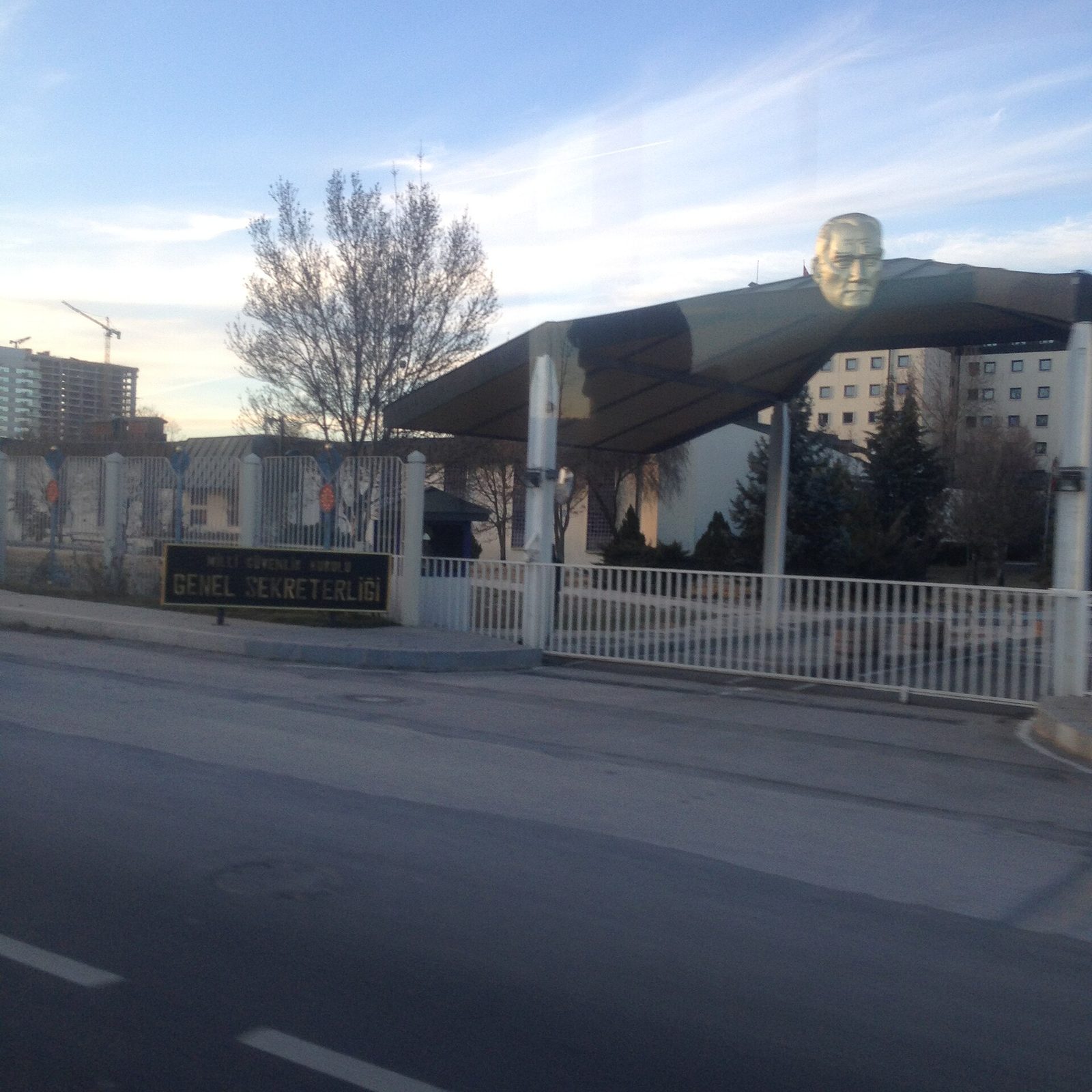
The dispute over disarming the Kurdistan Workers' Party (PKK) is the biggest obstacle facing the 'Terror-Free Turkey' process, as reflected in statements by Turkish officials and the statement issued by the 'Movement leadership' and carried by Turkish media on Monday.
President Recep Tayyip Erdogan said last week that 'our priority is for the (organization) (PKK) to complete its dissolution process with all its elements' and to hand over all its weapons, noting that the relevant institutions of the state and government 'are evacuating the organization's shelters in accordance with a specific plan.'
The Turkish National Security Council must issue a decision that clearly determines the complete end of disarmament, before implementation can begin of the 'Law on Strengthening National Solidarity and Social Integration,' known as the 'Framework Law,' which parliament approved on 10 August. The law, made up of 12 articles, includes provisions permitting the return of party members, excluding its leadership, and their conditional integration into society.
On the other side, the party affirmed that it has fulfilled all its obligations and evacuated the shelters near the Turkish border. The 'Movement leadership' statement — the name used to refer to the PKK after its decision to dissolve itself on 12 May 2025 in response to Ocalan's call — said that the party's fighters had been fully withdrawn from Turkey and the areas near its borders, and that more than 10 caves and shelters in northern Iraq had been evacuated over the past two months, stressing that 'we no longer have any force near the border or at any military points' where the Turkish army is stationed.
The statement added that 'sleeper cells' in major urban areas inside Turkey had moved to what the party calls 'media defense zones' in northern Iraq, and that the 'ceasefire' was a decision the party took unilaterally on 1 March 2025, following Ocalan's call from his prison on 27 February of the same year.
The statement criticized the Turkish government for 'not taking any concrete steps to accelerate the peace process,' demanding that the conditions of the imprisoned party leader Abdullah Ocalan be changed and that he be allowed to exercise his leadership role in managing the process, and it considered the government's inaction to have 'aroused suspicions among public opinion.'
Press reports indicate that Turkey attaches importance to clearing the major main weapons depots in the Kara and Hakkurk areas of northern Iraq, and that no report confirming the completion of disarmament can be issued until they are cleared.
Sources — how we know this
- PrimaryAsharq Al-Awsat