El-Sisi: Betting on Egypt's Water Security Concessions Is a Losing Bet
Egyptian president affirms that the Nile River provides more than 98% of his country's renewable water resources and calls for applying a consultative approach in the Eastern Nile Basin
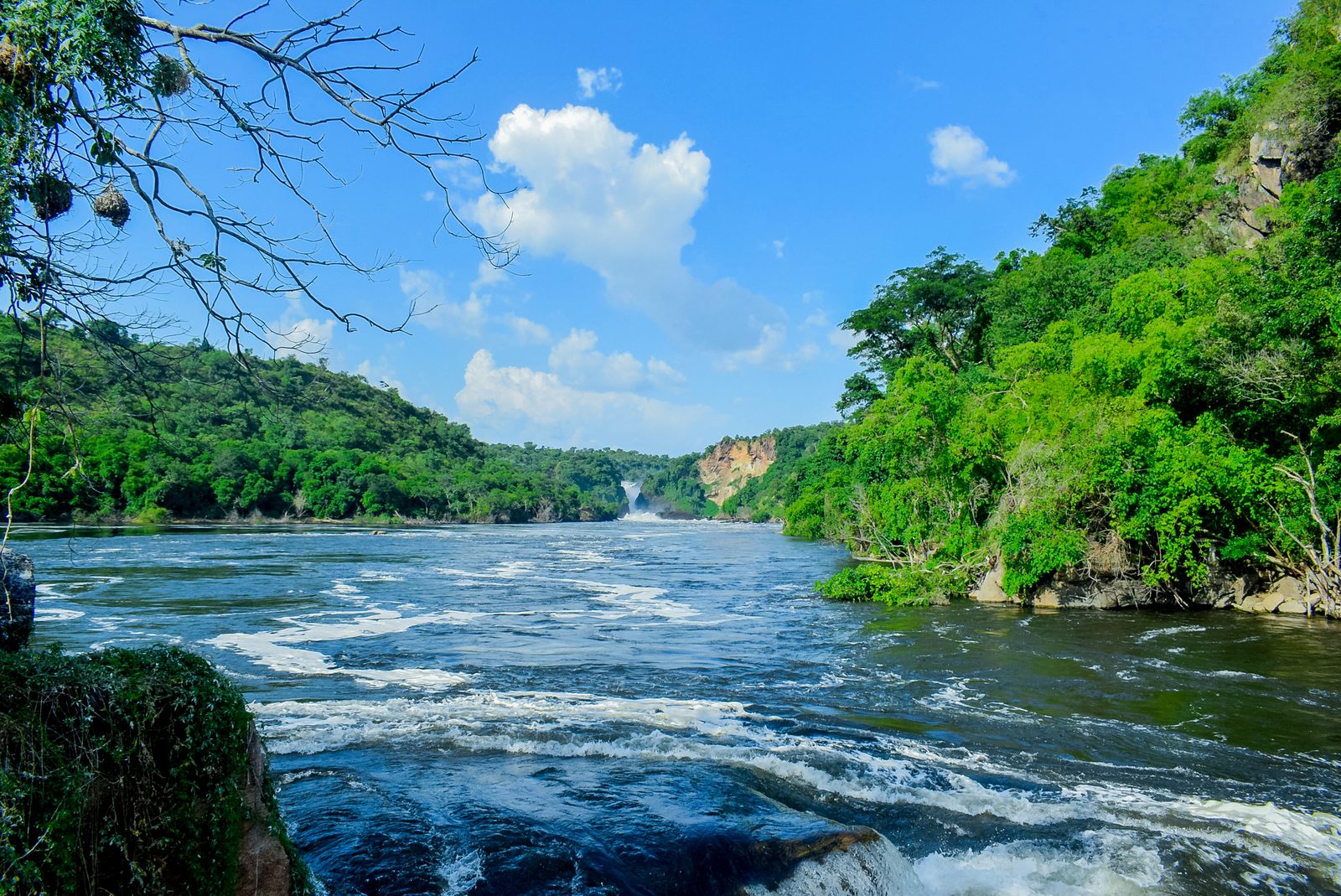
Egyptian President Abdel Fattah El-Sisi warned that betting on Egypt's acceptance of the status quo in the water file is "a losing bet," stressing that the presence of a river's sources within a country's territory does not grant it exclusive control over a resource shared among multiple nations.
El-Sisi made these remarks in a recorded speech delivered at the opening of the ninth Cairo Water Week, which launched on Sunday under the theme "Water: A Tributary for Peace, Shared Prosperity, and a Sustainable Planet." The event is being attended by 21 ministers, 23 high-level delegations, and representatives of international organizations, and will continue until October 29.
El-Sisi clarified that the Nile River provides more than 98% of Egypt's renewable water resources, amid escalating pressures from population growth, rising demand for water, food, and climate change. He announced that Cairo recognizes the right of Nile Basin countries to develop and use their natural resources, but this is conditional on such use being "conducted responsibly and in accordance with international law without harming other countries."
The Egyptian president noted that cooperation with southern Nile Basin countries on energy, agriculture, and irrigation projects has contributed to building trust and mobilizing financing, highlighting that prior notification, exchange of studies, and consultation played a role in this. He called for applying this same approach in the Eastern Nile Basin in a manner that serves the interests of Egypt, Sudan, and Ethiopia.
For his part, Water Resources and Irrigation Minister Hani Swailem said Egypt has chosen to make water "a bridge for cooperation," reviewing his ministry's efforts to improve water use efficiency, expand its treatment and reuse, develop infrastructure, and protect coasts under the "Water System 2.0" program.
Swailem added that the ministry has developed the Ismailia Canal by deploying artificial intelligence and digital twin technology, using drones and Internet of Things techniques and camera-based flow measurements to monitor water movement and test operational decisions before implementation. He announced that Egypt's message to Nile Basin countries is "One river, one basin, one future," calling for the mobilization of rainwater, agricultural lands, and solar and wind energy resources through rainwater harvesting, rainfed agriculture, clean energy projects, and regional electrical interconnection.
Sources — how we know this
- PrimaryDaily News Egypt