ICJ to Issue Ruling Thursday in Genocide Case Against Myanmar
A first ruling that could hold a state responsible for genocide, and its potential reverberations for South Africa's case against Israel
ℹ️ Browser-based reading · AI studio voice coming soon
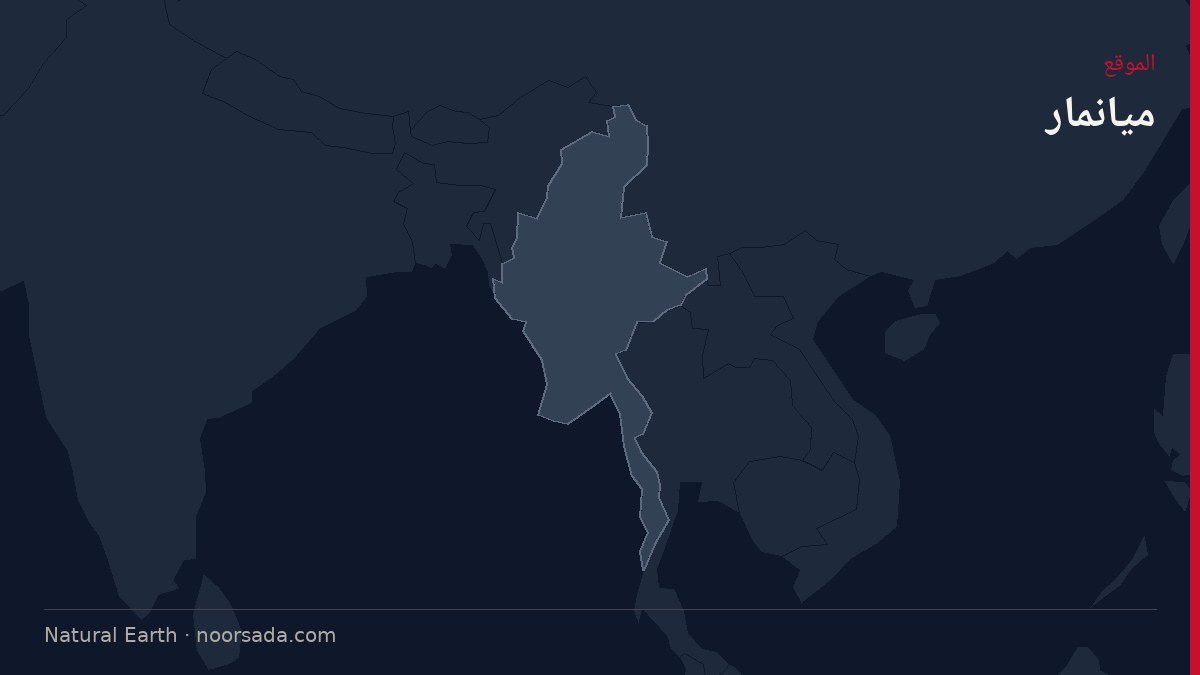
The International Court of Justice, based in The Hague, will issue on Thursday its ruling in the case filed by Gambia against Myanmar, accusing it of violating the 1948 United Nations Convention on the Prevention and Punishment of the Crime of Genocide through its military campaign and repressive policies against the Rohingya, after seven years of examining the case.
The ruling will determine whether Myanmar's government committed genocide against the minority, and it is the first time the court could hold a state legally responsible for committing genocide, as previous Balkans cases did not end in establishing direct responsibility, although Serbia was held responsible for failing to prevent the Srebrenica massacre.
The legal debate before the judges centers on establishing the deliberate intent to destroy, in whole or in part, a national, ethnic, racial or religious group, the element that distinguishes the crime of genocide from other international crimes.
In closed sessions held last January, the court heard direct testimony from survivors who came from refugee camps, including accounts of children being killed and burned, and scenes of mass graves. The case file relied on testimonies that documented massacres in several villages, among them Tula Toli, whose survivors spoke of systematic killings of civilians that included drowning children in a river, before satellite images confirmed that the village had been completely destroyed.
The roots of the tragedy go back to decades of discrimination and persecution, during which the Rohingya were deprived of citizenship. The crisis reached its peak in 2017 after attacks launched by an armed Rohingya group, to which the army responded with a wide military campaign it called "clearance operations," driving hundreds of thousands to flee toward Bangladesh, where more than a million refugees still live in overcrowded camps, against fewer than 600,000 Rohingya believed to have remained inside Myanmar.
Myanmar's authorities deny committing genocide and insist that the army's operations targeted an armed insurgency. Any ruling condemning the state will compound international pressure on Min Aung Hlaing, who led the army during the military operations between 2016 and 2017, before he carried out a military coup in 2021 that ousted the elected government led by Aung San Suu Kyi and plunged the country into a civil war that has killed tens of thousands. Hlaing assumed the civilian presidency last April, and faces a separate investigation before the International Criminal Court over accusations of committing crimes against humanity.
The significance of the ruling extends to the case filed by South Africa against Israel over its war in the Gaza Strip, as it could offer an indicator of how the judges handle evidence establishing genocidal intent, particularly when military force is used against a population group, with the difference that Israel enjoys stronger American diplomatic support.
The American position is mixed: Washington previously considered, under President Joe Biden, that what the Rohingya were subjected to was genocide, but under Donald Trump it adopts a tougher stance toward international judicial institutions, after its ambassador to the United Nations, Mike Waltz, warned against establishing a legal standard that could be used in the future to prosecute soldiers of allied states.
In practice, human rights organizations representing hundreds of Rohingya survivors hope the ruling will push states to halt arms exports and aircraft fuel supplies to Myanmar. But the court has no direct enforcement mechanism to impose its rulings, and the Security Council can contribute to supporting their implementation, although divisions among major powers make taking binding measures difficult.
Sources — how we know this
- PrimaryAl Jazeera (AR)