Nuclear bodies representing 38 countries warn of a nuclear accident in Ukraine this winter
A joint statement by three regulatory associations calls on Russia to halt its attacks on energy infrastructure, and warns of a grid collapse and the simultaneous failure of nine reactors
ℹ️ Browser-based reading · AI studio voice coming soon
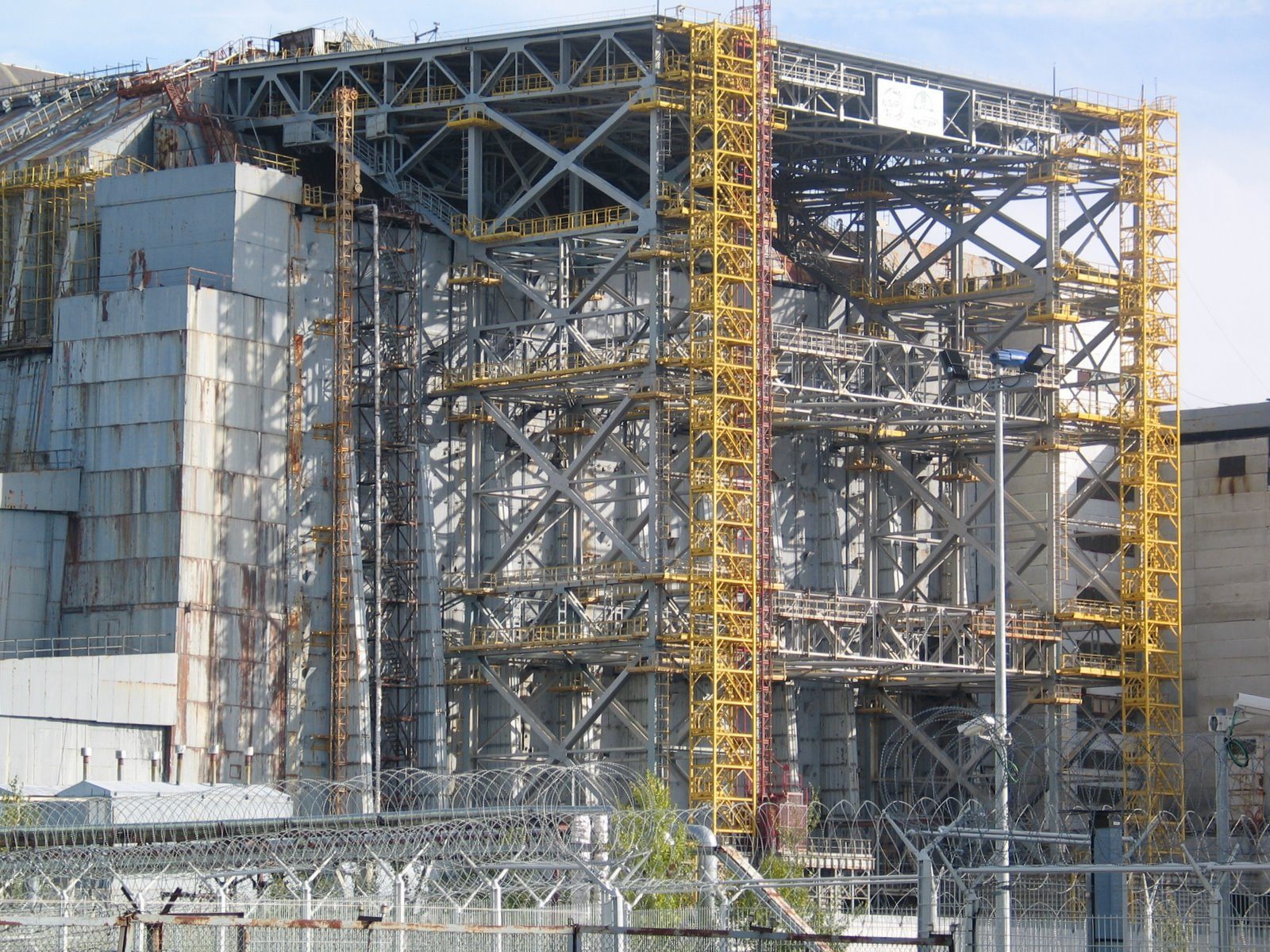
Nuclear safety regulators representing 38 countries warned on Monday that the risk of a nuclear accident in Ukraine is increasing this winter, and called on Russia to stop its attacks on the country's energy infrastructure.
The bodies said in a joint statement seen by Reuters before its publication: "We express together... our deep concern about the growing risks to nuclear safety arising from the war Russia is waging against Ukraine, and its continued attacks on the country's energy infrastructure." They added: "We see together that there is an urgent need for Russia to stop its attacks on Ukrainian nuclear facilities and on the energy infrastructure necessary to operate them safely."
Moscow is escalating its drone and missile attacks on Ukrainian energy facilities, including power plants and transmission lines, a grid already cracked by the war that broke out nearly five years ago.
The main concern of the regulators is that without stable electricity supplies from the grid, Ukrainian nuclear plants face increasing difficulty cooling their nuclear materials and avoiding a meltdown. If that happened, radioactivity could leak, as in the Chernobyl disaster in 1986, which caused radioactive materials to spread across parts of Ukraine, Belarus, Russia and northern and central Europe.
The bodies that issued the call are the association of heads of the European authorities competent for radiation protection, the association of nuclear regulatory bodies in Western Europe, and the association of heads of radiation safety authorities in the Nordic countries. Together these bodies represent 38 countries, including all European Union countries, the United States, Britain, Canada and Japan.
Per Strand, head of two of these bodies, said Russian attacks have become more lethal in recent weeks, with Moscow using drones carrying larger payloads and with greater accuracy in targeting. He added: "Because of these new methods the Russians are using... it is clear that the risk of a nuclear accident will peak this winter."
He explained that the worst scenario would be the collapse of Ukraine's electricity grid nationwide, affecting at once the nine nuclear reactors operating in Ukraine, and said: "Nine reactors failing at the same time, with the possibility of a (radioactive) leak, would constitute an extremely dangerous situation." He stressed the need to take immediate action and to exert pressure on Russia to stop its attacks on energy infrastructure, and said that if those efforts fail, European countries must band together in emergency preparedness to confront the potential consequences of any nuclear accident.
Ukraine has four nuclear power plants, three of which are operating and provide about 80 percent of the energy used this winter. The fourth, Zaporizhzhia, the largest in Europe, is under Russian control near the front line, does not currently produce electricity and relies on an external power source to keep nuclear materials cool and avoid a meltdown.
Sources — how we know this
4 independent sources corroborated this
- PrimaryAsharq Al-Awsat
- CorroboratingSözcü Gazetesi
- CorroboratingMeduza
- CorroboratingBFMTV
Energy Portfolio
Check your broker for the latest on energy stocks.
View Now →