AgendaVerified
Mayun Island Changes the Arithmetic of the Bab al-Mandeb
The Houthis have taken a rock that costs the Red Sea shipping lane its last polite fiction. Sanaa's patrons in Tehran now have a receipt.
Скорость:
NV
Natasha Volkov
· 4 min read
A movement that governs by drone and slogan has just acquired real estate that navies used to fight wars over.
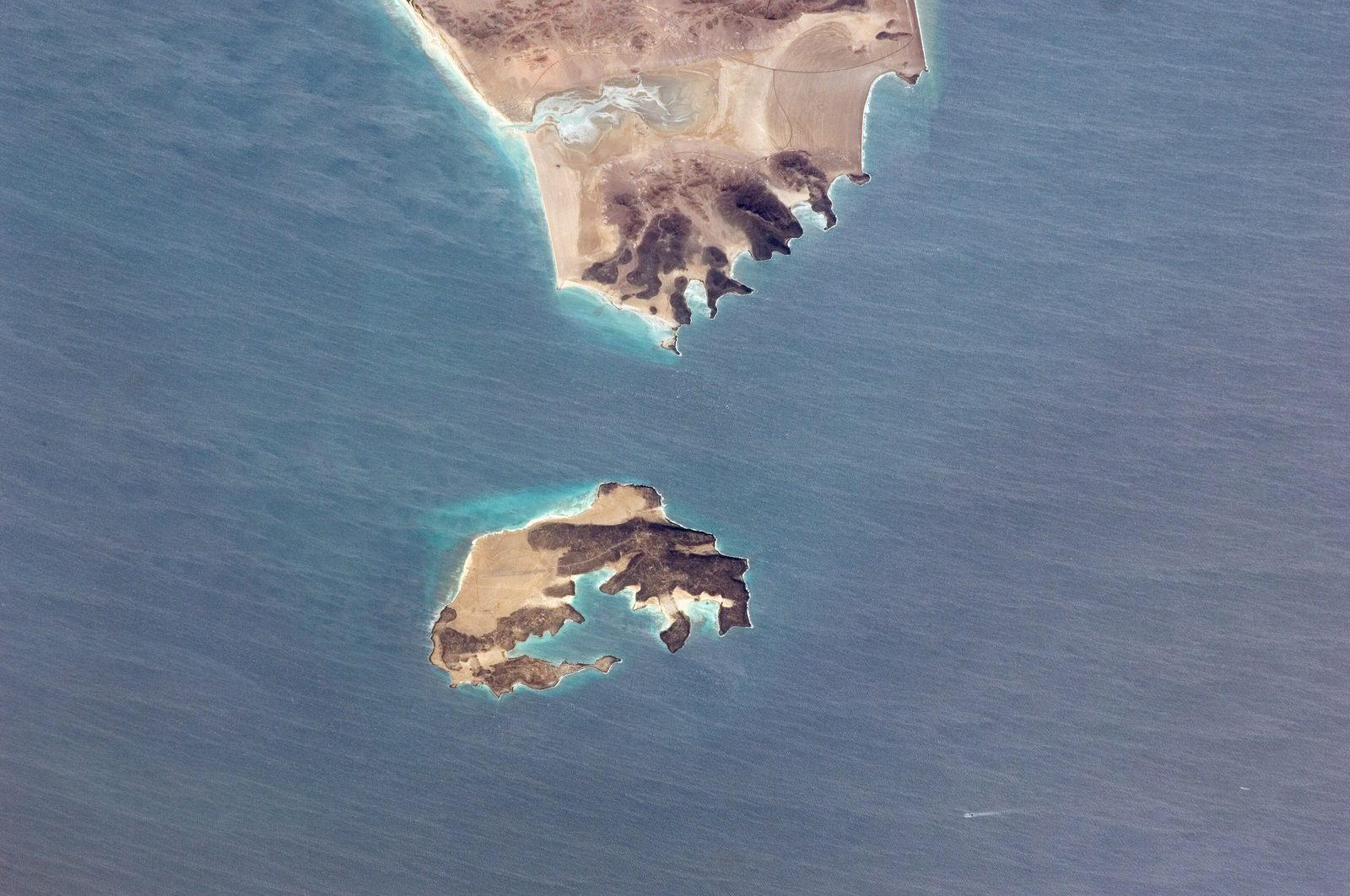
Mayun — the volcanic pinprick the British once called Perim, sitting in the throat of the Bab al-Mandeb — is now under Houthi control. The seizure was reported this week; the strategic implication was fifteen years in the making. Whoever holds Mayun holds a shore battery position over one of the four maritime chokepoints that decide the price of a barrel in Rotterdam and a container in Piraeus.
The decision-maker to name here is not Abdul-Malik al-Houthi, who gives the speeches. It is the Iranian Revolutionary Guard's Quds Force logistics chain, which spent a decade moving anti-ship missiles, coastal radar, and drone components into Hodeidah while the Saudi-led coalition bombed weddings and called it a war. Tehran did not need to invade the Red Sea. It needed only to make sure its franchise in Sanaa could, one Tuesday, walk onto an island and stay there.
Distinguish what states say from what states buy. Riyadh has spent the last two years talking about a normalisation track with the Houthis, a de-escalation understanding, a quiet exit from a war it never won. Its defence budget, meanwhile, keeps funding a coastal missile posture along the southern Red Sea that only makes sense if the ministry believes the understanding is theatre. The Emirates, more honest with themselves, never stopped paying the Southern Transitional Council in Aden, which is the only ground force on the Yemeni coast that has any incentive to contest Mayun. Abu Dhabi's cheque book has been more candid than Riyadh's press office for three years running.
The European position, such as it exists, is a naval mission with a mandate written for a different problem. Operation Aspides was designed to escort merchant traffic through a corridor that was assumed to remain open with some harassment. A garrisoned Mayun changes the assumption. You cannot escort ships past a shore that ranges them with land-based anti-ship missiles unless you are willing to strike the shore. Every European capital contributing frigates knows this, and none of them has a domestic politics that permits saying it out loud. Rome will not. Paris will not. Athens, which has the most tonnage at risk, will say it last.
The historical pattern worth naming is the Ottoman-British contest over these waters in the 1830s, when the question of who garrisoned which rock in the strait was understood by every chancery as the question of who taxed the trade of India. The parallel breaks in one important place: today's tax is not customs duty, it is insurance premium. War-risk underwriters in London and Singapore reprice the strait within hours of any incident. The Houthis do not need to sink ships to extract rent from the global economy; they need only to make the underwriter's spreadsheet twitch. Mayun makes it twitch on command.
What would falsify the reading that this is a durable strategic shift rather than a photo opportunity? Three things. If satellite imagery over the next months shows no hardened missile emplacements or radar installations on the island, the seizure is symbolic. If Emirati-backed forces retake it without significant Houthi resistance, the garrison was a bluff. If insurance premiums for Red Sea transits do not adjust upward in a sustained way, the market has judged the move to be reversible. Any journalist telling you today which of these will happen is selling you a horoscope.