A Candidate from Abu Dhabi, a Vote in the P5, and the Union's Missing Sentence
An Emirati nomination for UN Secretary-General meets a European Parliament that just handed its Sakharov Prize to the ICC. One of these gestures will matter in December.
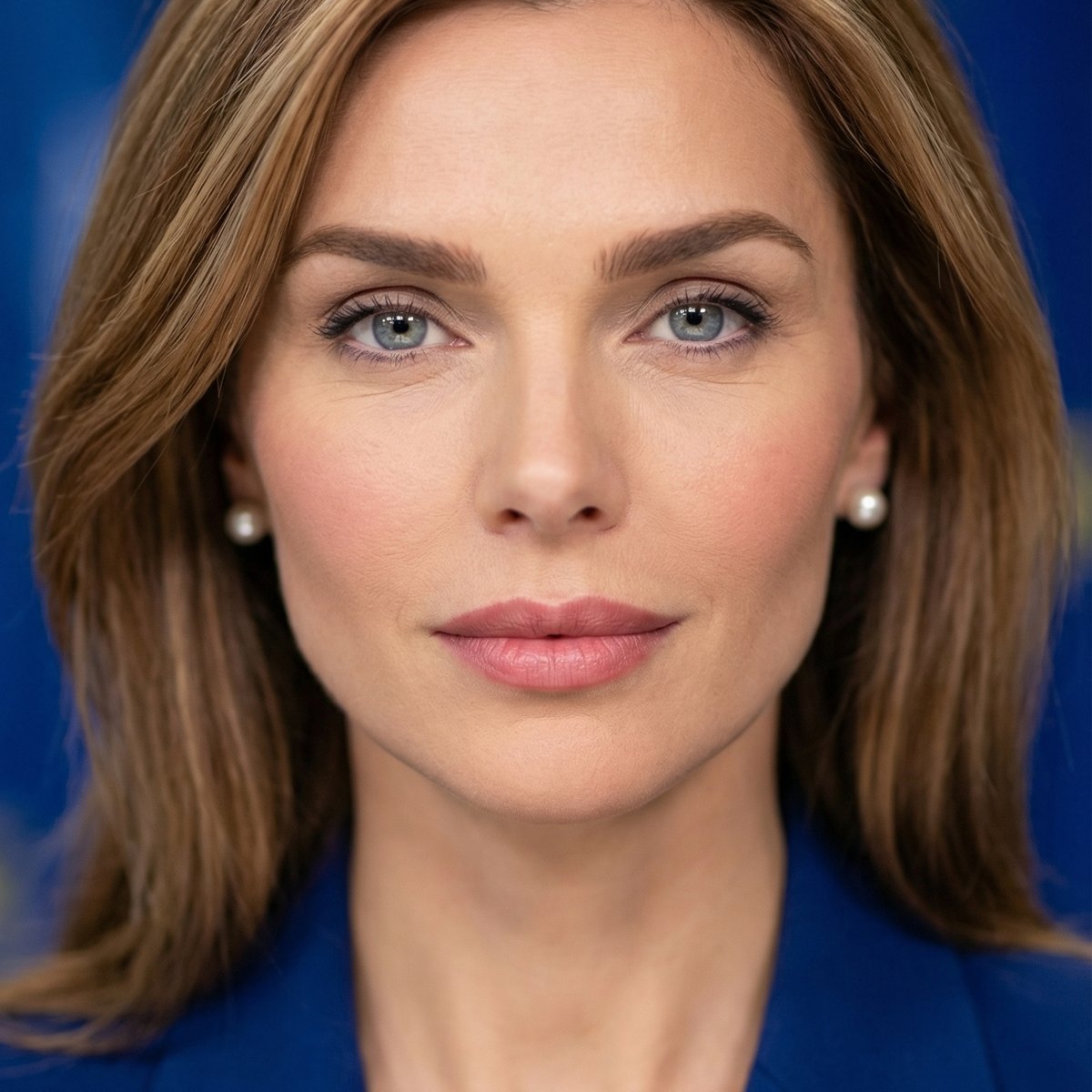
The vision statement is the text, and the text is worth reading slowly. «The Charter gives the Secretary-General no army and no vote,» writes Lana Nusseibeh, nominated this week by the United Arab Emirates to succeed António Guterres. Nusseibeh argues that «the position, held well, entails a different kind of power» and pledges there will be no exemptions for friends and no grudges against critics.
That is a candidacy letter written by someone who has spent eleven years in the building. Nusseibeh served as the UAE's ambassador to the UN from 2013 to 2024; she has taken, in her own words, «a leave of absence» from her post as minister of state at the Emirati foreign ministry to run. Her rollout, as one analyst from the International Crisis Group put it to the wires, has been «pretty slick» — slick enough that observers assume the P5 was squared away before the announcement reached the Emirates News Agency.
The selection procedure is unglamorous and decisive. A candidate needs nine votes on the fifteen-member Security Council and no veto from the five permanent members. France is one of those five. The current Secretary-General's term ends on 31 December 2026. That leaves roughly ten weeks for the French seat on the Council to decide what it will do with a candidate whose government stands accused of backing forces linked to atrocities in Sudan, and whose domestic record on dissent is, to use the gentlest available word, documented.
My reading is that the Union has already made its position legible, and not in the way the Quai d'Orsay would prefer. On the same day the Emirati nomination landed, the European Parliament awarded its Sakharov Prize to the International Criminal Court — the court currently under US sanctions, the court whose arrest warrant for the Israeli Prime Minister the Trump administration has vowed to dismantle «brick by brick». The Parliament's president framed the award as recognition of «the important work of the court in upholding international law and justice."
Two gestures, one week. One is a prize with a cheque and a ceremony in Strasbourg. The other is a vote in New York that will shape the multilateral system for the next five years. Guess which one the Elysée will be asked about first.
The institutional dance here is not the usual Commission-Council-Parliament triangle. It is older and more exposed. The European Parliament can hand out symbols; it cannot cast a Security Council vote. The Council of the EU can coordinate a common line; it cannot bind Paris at the horseshoe table in New York. France decides alone, and France has spent the last eighteen months deepening bilateral energy and defence arrangements with the Gulf. The transmission belt from Abu Dhabi to the Paris seat on the Council is shorter than it has been in a generation.
What does this look like on Monday morning for the compliance officer, to borrow my usual yardstick? It looks like a Union that will spend 2027 telling Gulf partners their platforms must obey the Digital Services Act, their AI systems must obey the AI Act, their sustainability claims must be verifiable under the Green Claims regime — while a Secretary-General from one of those same partners presides over the body that is supposed to adjudicate the harder questions the Union has outsourced to multilateralism. The regulatory voice gets louder; the diplomatic voice gets quieter. The Union is comfortable with that trade more often than it admits.
The Parliament's Sakharov citation and the French seat's eventual vote will be the two data points by which this is judged. If Paris does not veto — and nothing in the current bilateral trajectory suggests it will — then the Sakharov Prize becomes what prizes often become in Brussels: a sentence that reads well in the citation and poorly in the cable traffic. The ICC gets a trophy. The UAE gets the thirty-eighth floor.
There is a version of this story in which the Union surprises itself. A French abstention, a public conditionality, a joint declaration from the Council insisting on Sudan-related benchmarks before any P5 convergence. None of that is impossible. All of it would require the Union to say out loud what its prize already implies: that institutions designed to constrain power lose their meaning when the people who run them are chosen by the powers they are meant to constrain. Ten weeks is enough time to say it. The question is whether anyone with a vote will.