Mecca, one signature: what a defense pact says about the map being drawn
Ankara, Riyadh and Islamabad sign in the holy city. The wires call it historic. The interesting question is who was not in the room.
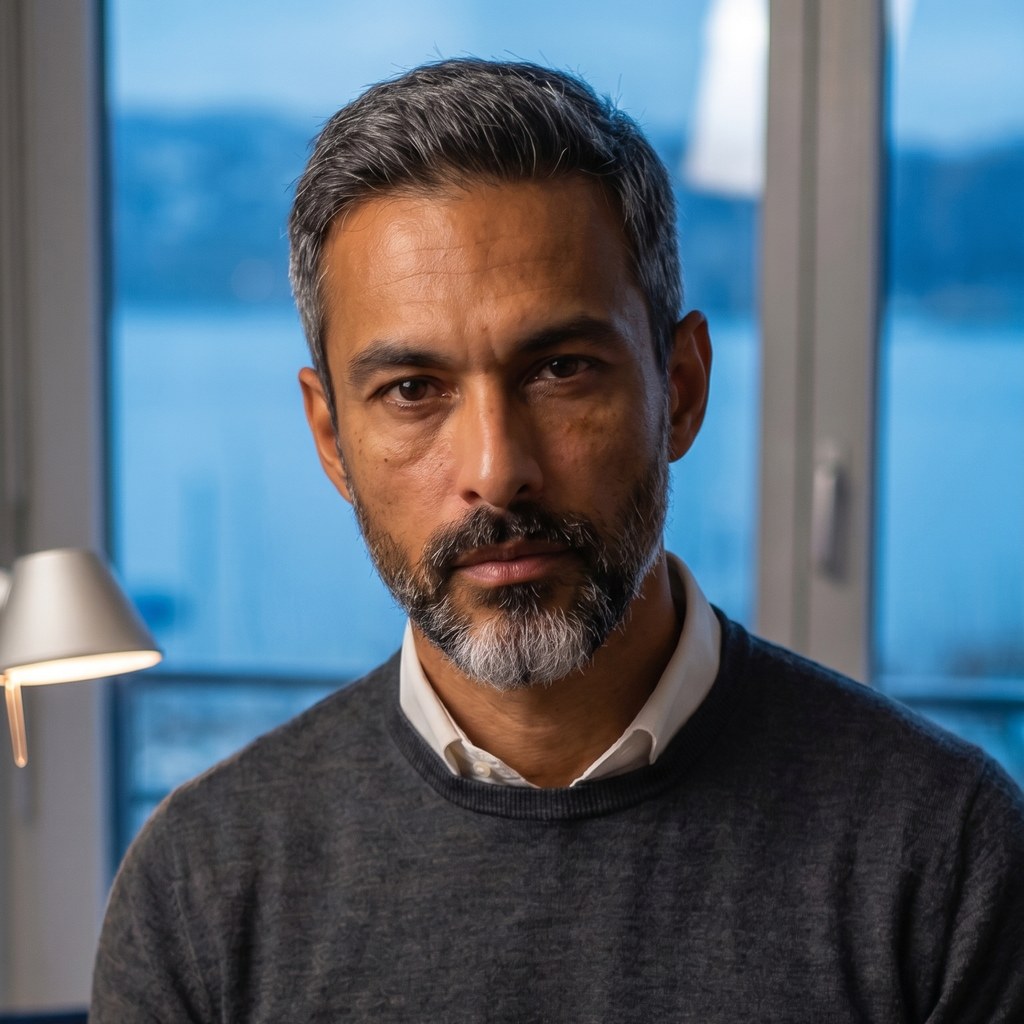

The room in Mecca on Friday was smaller than the communiqué. A table, three delegations, pens moving in the order protocol demands — the Saudi host first, then the Pakistani, then the Turk — and afterwards the photograph that will be reprinted for a decade. The Organisation of Islamic Cooperation called it historic before the ink was dry. President Erdogan, from the microphone, was careful: the agreement, he said, targets no country and is open to other friendly nations.
That second sentence is the one to sit with.
A defense pact between Turkiye, Saudi Arabia and Pakistan is not, on the surface, a surprise. The three have been drifting toward each other for years — Ankara sells drones the Gulf now buys in volume, Islamabad has been the kingdom's nuclear insurance policy in the whispered version of every regional analyst's notebook since the 1980s, and Riyadh has the checkbook. What is new is that the arrangement now has a name, a city, and a signature page. Things that used to be understood are being written down. That is always a signal — states put agreements on paper when they no longer trust the ambient understanding to hold.
The backstage conversation, as best one can read it from the diwan chatter this week, is not really about a shared enemy. It is about a shared doubt: that the American security umbrella, in the form Gulf capitals have relied on since the 1970s, will arrive on time and in full if something goes wrong over Hormuz or over Jerusalem. Note the accompanying wires — Cairo and Athens this week publicly urging a comprehensive US-Iran deal, Arab and Islamic foreign ministers launching a documentation mechanism for Jerusalem violations and warning, in unusually direct language, of religious conflict. Governments do not build documentation mechanisms when they expect the situation to de-escalate. They build them when they expect to need the file.
So Mecca is best read as a hedge being formalised. Not an alliance against Washington — Erdogan's «open to friendly nations» is a door left deliberately ajar — but an insurance layer underneath the existing one. If the umbrella holds, the pact is dormant. If it frays, the pact is already drafted.
For the reader whose life runs on prices rather than communiqués, the transmission is slower but real. Defense agreements of this weight tend to steady the risk premium on Gulf assets in the short run — the story reads as adults taking precautions, which markets prefer to adults improvising. The medium-run effect is the one to watch: Turkish defense exporters gain a durable Gulf customer base, which strengthens the lira's industrial story at the margin; Pakistani wheat and remittance corridors from the Gulf become quieter to negotiate; and Egyptian policymakers, who were not at the table, will spend the autumn deciding whether proximity to this arrangement is an asset or a constraint on their own Washington file. If you are planning a cross-border business, a school placement in the Gulf, a property decision in Istanbul — the political weather just became slightly more predictable in one direction and slightly less in another. That asymmetry is worth pricing into any decision with a horizon beyond eighteen months.
The question worth carrying into the week is narrower than the headline. Not whether the pact is historic — that word is cheap on a Friday. But which capital, watching the photograph from outside the frame, moves next to be included, and which quietly asks Washington whether the umbrella still covers what it used to.
In the photograph from Mecca, one of the pens is resting on the blotter, cap off, as if the signatory had been interrupted mid-thought. Someone will have picked it up by now.