Olive Oil Is Not Magic — But the Science Behind It Is Genuinely Impressive
With olive harvests under threat across the region, it's worth understanding what the evidence actually says about this ancient fat.

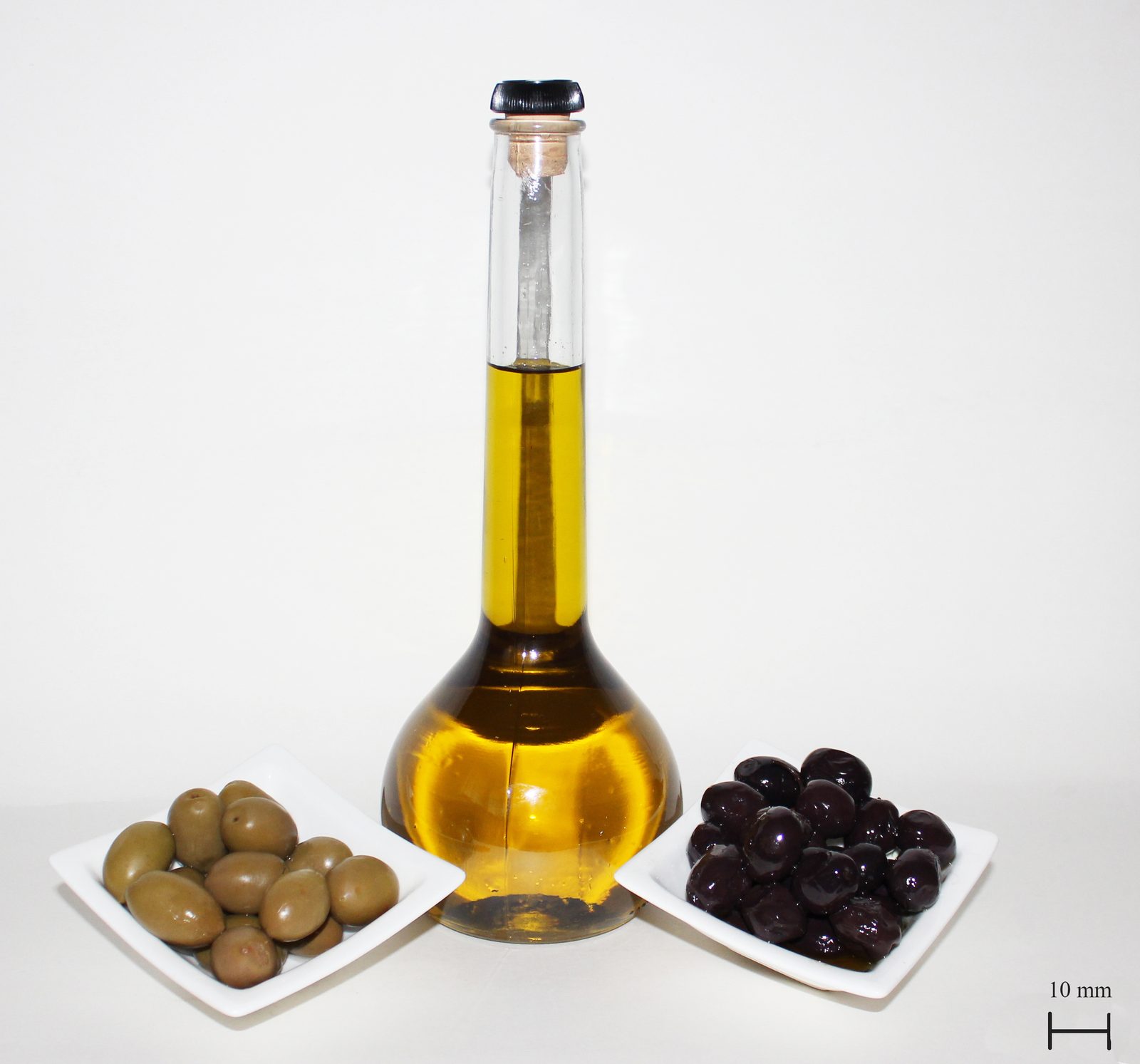
Every October, hands that have done this work for generations move through silver-grey branches, pulling fruit from trees that may be older than most nations. The olive harvest is one of the oldest agricultural rhythms in the Arab and Mediterranean world — a practice that sits at the intersection of livelihood, heritage, and, it turns out, fairly robust nutritional science.
This week, reports of systematic destruction of Palestinian olive trees in the West Bank have surfaced again. I am not going to turn a humanitarian crisis into a wellness segue — that would be obscene. But the timing does invite a serious question that wellness writing almost never answers honestly: what does the evidence actually say about olive oil, and how much of what we believe about it is real?
Let me try to give you a straight answer.
The strongest evidence we have comes from a large randomised controlled trial — considered the gold standard in nutrition research — conducted over several years in a Mediterranean population. Participants assigned to a diet supplemented with extra-virgin olive oil showed a roughly 30 percent reduction in major cardiovascular events compared to a low-fat control group. That is not a small signal. It held up even after the trial was later re-analysed to correct a methodological issue, which is actually the kind of scientific self-correction that should build your confidence in a finding, not erode it.
The mechanism is reasonably well understood, which puts olive oil in a more credible category than many nutritional darlings whose effects are real but whose 'why' is essentially unknown. Extra-virgin olive oil is high in oleic acid, a monounsaturated fat associated with modest reductions in LDL cholesterol — the kind linked to arterial plaque — without meaningfully lowering HDL, the protective kind. It also contains a compound called oleocanthal, which in laboratory studies inhibits the same inflammatory pathway targeted by ibuprofen. The doses at which this matters in vivo are still being worked out, so I'd call that a promising mechanism rather than a confirmed clinical benefit. We don't fully know yet.
What we do know is more modest and more useful than the headlines tend to suggest. Olive oil is a fat that fits well into a dietary pattern — the operative word being 'pattern'. No single food rescues a diet that isn't working. But as a primary cooking fat, extra-virgin olive oil is one of the better-studied choices available, with a genuine evidence base rather than just an aesthetic following.
Now, for the practically minded: not all olive oil is created equal, and the gap matters. Extra-virgin means the oil has been cold-pressed without heat or chemical processing, which preserves the polyphenols — the plant compounds associated with most of the interesting biological effects. Refined olive oil, which is cheaper and has a more neutral flavour, has significantly lower polyphenol content. If you are buying olive oil primarily for its health properties, the grade is relevant. If budget is the constraint, use what you can afford and get polyphenols from vegetables instead — that is not a compromise, it is just good nutrition.
For readers who observe halal dietary practices: olive oil is unambiguously permissible, and it carries a particular resonance — it is one of the foods mentioned explicitly in the Quran, which is why it occupies a place in Islamic wellness traditions that long precedes the randomised trial. The fact that the contemporary evidence broadly supports what traditional medicine recommended for centuries is not a coincidence you need to make too much of, but it is worth noting calmly.
During Ramadan, olive oil becomes especially relevant. Breaking a long fast with heavily fried or saturated-fat-heavy food produces a sharp lipid load on a digestive system that has been resting for many hours. Dishes prepared with extra-virgin olive oil — hummus, fattoush dressed simply, eggs cooked in a small amount of good oil — tend to be gentler at iftar and carry longer satiety into the evening. This is practical, not prescriptive.
The home test I promised you: taste your olive oil before you cook with it. Extra-virgin oil should have a peppery catch at the back of your throat when you swallow a small spoonful. That sensation is the oleocanthal. If your bottle tastes like nothing, it has either been refined, adulterated, or has gone rancid — store olive oil away from heat and light, and use it within a year of the harvest date on the label. Most people keep it next to the hob, which is exactly the wrong place.
None of this will feel as urgent today as the news from the West Bank. The trees being destroyed there are not simply agricultural assets — they are, in many families, the primary income, the inherited land, and a form of continuity that stretches back further than written record. The harvest being disrupted is not abstract. It is someone's livelihood, and this season's oil that will not reach anyone's table.
I think you can hold both things: genuine grief about what is happening to those groves, and a quieter appreciation for what the people who tend them have known for a long time — that this fruit, pressed slowly, is worth protecting.