Two passenger trains collide in Egypt's Giza province, killing at least four
Train 134 rear-ended Train 2010 near Al Ayat, 59 km south of Cairo; 72 ambulances deployed as the death toll may rise, with 88 injured reported.
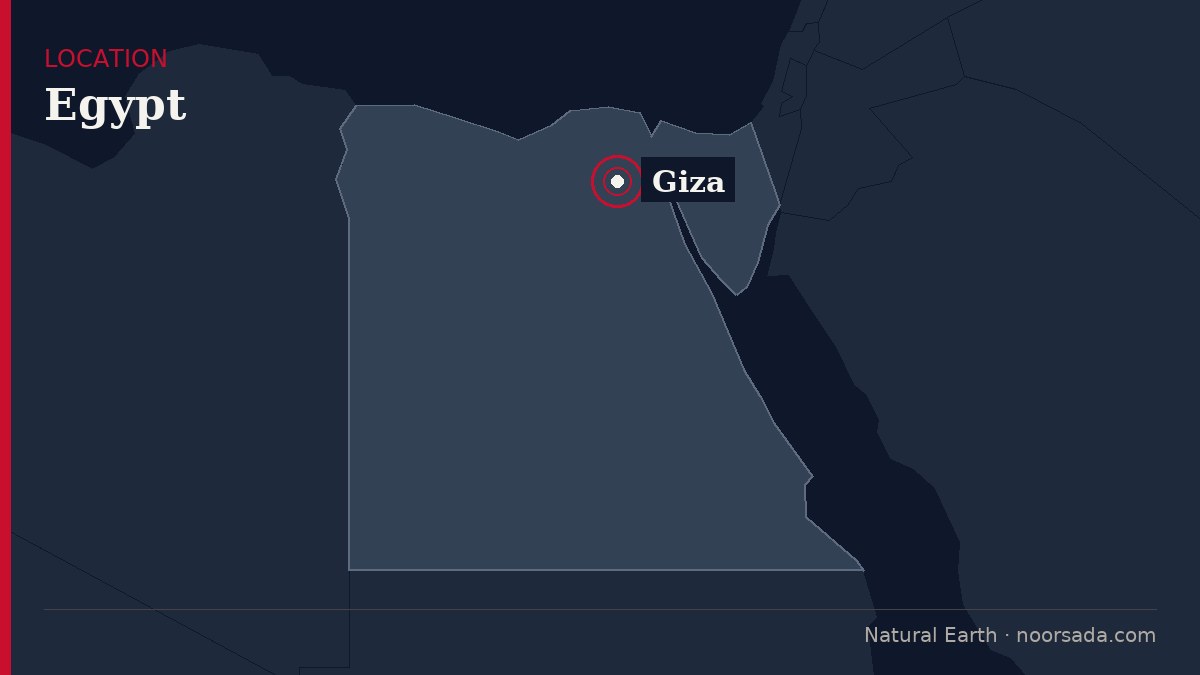
Two passenger trains collided in the Al Ayat area of Egypt's Giza province on Sunday, killing at least four people and injuring 88, according to the country's Ministry of Health and Population. The crash occurred near the Gerza junction, on the Cairo–Aswan line between Kafr Ammar and Al Raqqa stations, roughly 59 kilometres south of Cairo.
Egyptian National Railways said train number 134, operating the Giza-to-Fayum Tahya Misr service, struck the rear of train number 2010, which was travelling from Cairo to Aswan. Several carriages derailed.
The Health Ministry warned the death toll could rise as rescue operations continued. It deployed 72 ambulances: 49 injured were taken to Al Wasta Hospital, 29 to Al Ayyat Hospital and 10 to Atfih Hospital. Health Minister Khaled Abdel Ghaffar ordered maximum-alert status at all medical facilities in Giza and Beni Suef provinces.
Civil protection units, railway emergency teams and security forces cordoned off the site. Egyptian National Railways dispatched cranes and specialist equipment to clear the wreckage and restore two-way traffic on the Cairo–Aswan line.
President Abdel Fattah al-Sisi ordered authorities to provide necessary medical care to victims and to "accelerate the investigation of the circumstances of the accident and hold those found negligent accountable." The prosecutor's office opened an investigation and formed a technical commission to examine the trains, track and operating procedures.
The crash renews scrutiny of Egypt's rail safety record. Similar rear-end collisions in March and April 2021 each caused around 20 deaths and hundreds of injuries, with infrastructure decay, signalling deficiencies and maintenance shortfalls cited as recurring factors.
Sources — how we know this
5 independent sources corroborated this
- PrimaryEl País
- CorroboratingTASS English
- CorroboratingAl Jazeera English
- CorroboratingBBC World News
- CorroboratingDaily News Egypt