Israel elections: No bloc reaches 61 seats, Arab parties become kingmakers
Exit polls show a deadlock between Netanyahu's bloc and Aizenkot's bloc, while Arab parties emerge as the decisive factor.
Exit polls from Israel's legislative elections showed that Prime Minister Benjamin Netanyahu's bloc, led by Likud, will secure 50 seats in the Knesset, compared to 52 seats for the opposition bloc led by Yesh Atid chairman Gadi Aizenkot, while Arab parties combined are expected to win 18 seats.
Neither bloc reaches the necessary threshold of 61 seats required to form a parliamentary majority, opening the door to weeks or months of negotiations.
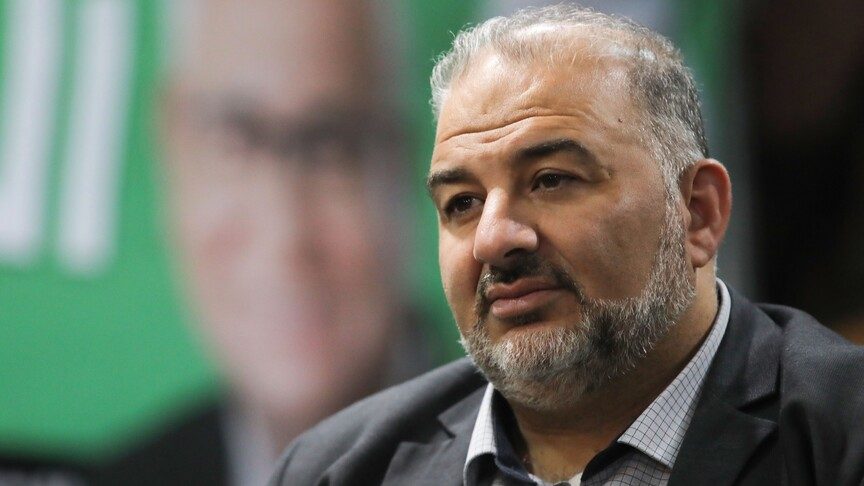
Mansour Abbas, leader of the United Arab List (Ra'am), said early Wednesday to Channel 12 that he hopes they will be able to change the government, adding that he "hopes the numbers reach 61 seats, the opposition bloc with Ra'am," noting that with current numbers there is no government.
Abbas pointed out that high turnout in Arab communities reflected despair and frustration that have transformed into hope. When asked about opposition leaders Naftali Bennett and Avigdor Lieberman's refusal to cooperate with his party, he said this matter will be addressed after the elections.
Channel 12 reported that Arab voter turnout reached 80%, while the Central Elections Committee announced that overall participation reached 77.7%, the highest since 1999 and up 7.1 percentage points from 2022 elections.
In Nazareth, supporters of the Joint List celebrated at its headquarters with slogans mocking National Security Minister Itamar Ben-Gvir. Joint List chairman Yousef Jabareen said expectations indicated the movement achieved its goal of building a strong list capable of bringing about change.
Official results have not yet been announced, as vote counting began after polling stations closed at 10 p.m. local time (20:00 GMT). It should be noted that exit polls are projections, not official results.
Sources — how we know this
- PrimaryAnadolu Agency (EN)